|
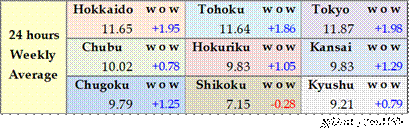
In the day-ahead market on JEPX (Japan Electric Power Exchange), the 24-hour spot power prices on a weekly average basis for Mar 2-6 delivery rebounded from the week before for East Japan (50 Hz) and West Japan (60 Hz). The reduced output from photovoltaic power plants due to bad weather nationwide, along with the return of winter-like cold temperatures on some days, increased demand from last week. Reflecting the weather above, prices gained, partly derived from the maintenance of more thermal power plants in March. On Mar 1, a supply/demand balance in power across the country relaxed so much that supply control of renewable energy was conducted in nine areas, and the volume of offers exceeded 1,700 mil kWh for the first time.
The spread of the 24-hour spot average between Tokyo and Kansai, a major market area in East and West Japan, was Yen 2.61 on Mar 2, Yen 3.07 on Mar 3, Yen 1.92 on Mar 4, Yen 1.31 on Mar 5, and Yen 1.28 in Mar 6 in favor of Tokyo.
The fuel market trends in the first week of March were detailed as follows. The US and Israeli strike against Iran escalated geopolitical risk in the Middle East, sending the fuel market surge.
DES Northeast Asia spot LNG prices on Mar 5 skyrocketed from around $12.5 per mmBtu on Feb 27 to around $23 for prompt March 2026 delivery, exceeding $20 for the first time since January 2023. With the shutdown at the 77.00 mil mt/year Ras Laffan project in Qatar, the largest LNG project in the world, owing to the attack from Iran, the market fell into tight. The Ministry of Economy, Trade, and Industry (METI) announced on Mar 4 that Japan's LNG inventories for power generation stood at 2.19 mil mt as of Mar 1, up by 190,000 mt from a week before. The figure was above the end of February last year (2.03 mil mt) and the average for the past five years (2.14 mil mt).
FOB Newcastle thermal coal prices in Australia were at low-$134's per ton for March 2026 loading as of Mar 5, up sharply by around $17 from the end of the previous week. Prices followed natural gas and crude markets.
In the crude oil market, WTI crude for April 2026 stood at around $80's per barrel at 1PM on Mar 6, while Brent crude for May 2026 was trading in the mid-$84's. Prices gained by around $13 from the end of the previous week for WTI and by around $12 for Brent. The Iranian Revolutionary Guard Corps closed the Strait of Hormuz, escalating supply worries about energy from the Middle East and then raising the market rapidly.
The actual highest price during the week was at Yen 25.84 in East Japan on Mar 3; the actual lowest price during the week was at Yen 0.01 in Shikoku and Kyushu on Mar 4-5.
The weekly average of the 24-hour spot prices by area and the weekly average volume of offers, bids, and trades are shown in the table below. Maintenance at more thermal power plants in March and a decrease in output from photovoltaic power plants lifted spot prices in eight areas except for Shikoku. The volume of offers decreased from last week, but that of bids, along with traded volume, enlarged.

Power demand in nine areas of Japan during Mar 2-6 was 12,305.13 mil kWh, up 5.9% from 11,624.67 mil kWh during Feb 23-27. The figure was down 8.6% from the corresponding period a year earlier, which was 13,461.63 mil kWh during Mar 2-7, 2025, after day-of-week adjustment.
Deals reported on TOCOM (Tokyo Commodity Exchange) during Mar 2-6 were as below.
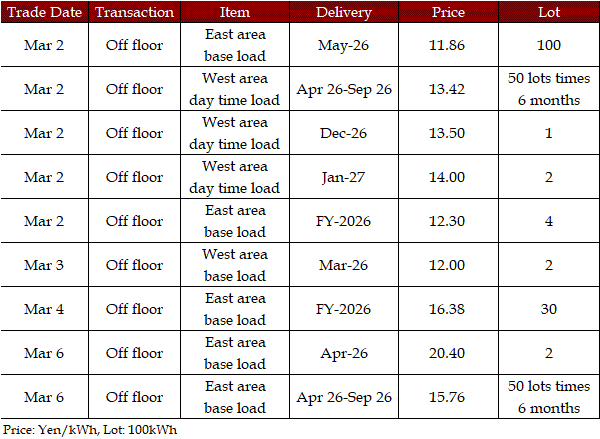
Deals reported on EEX (European Energy Exchange) during Mar 2-6 were as below.
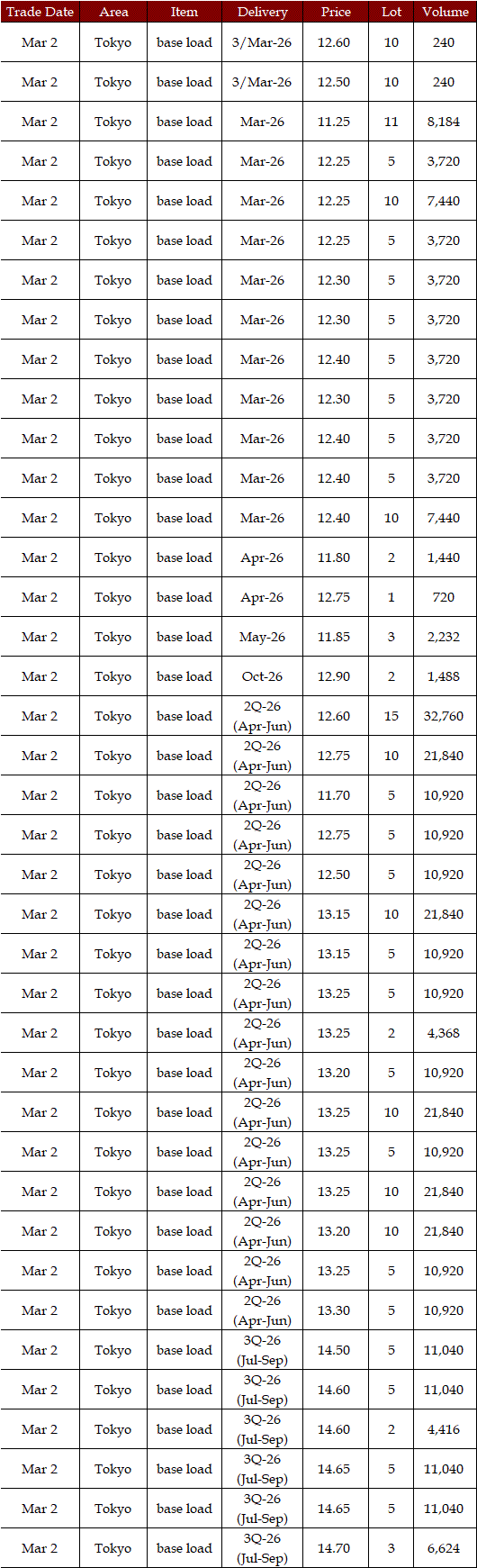
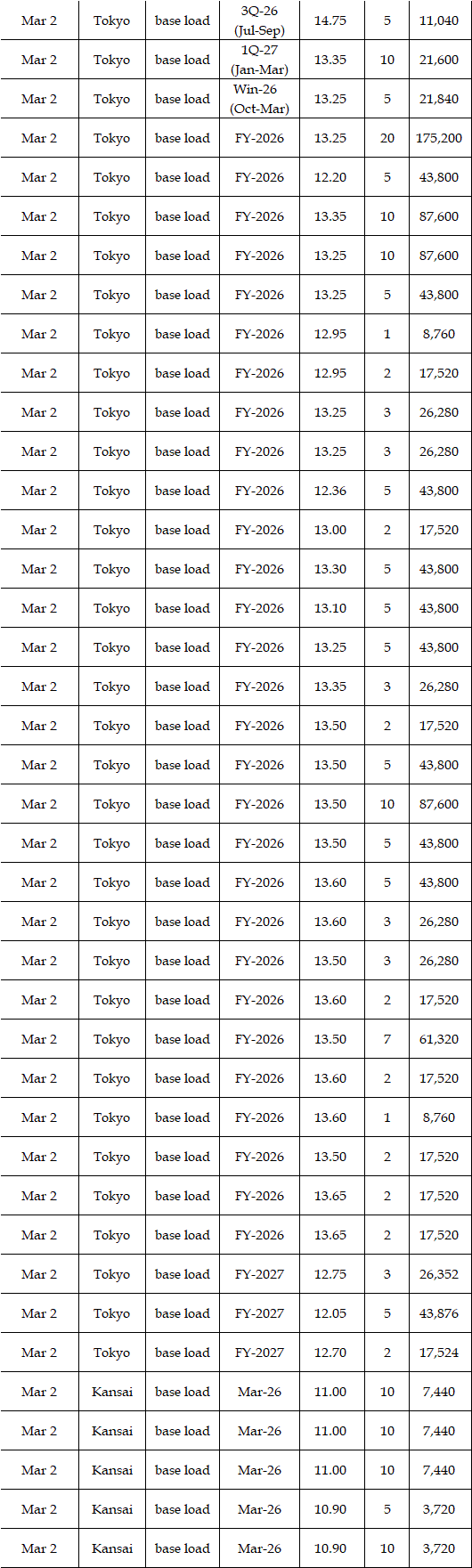
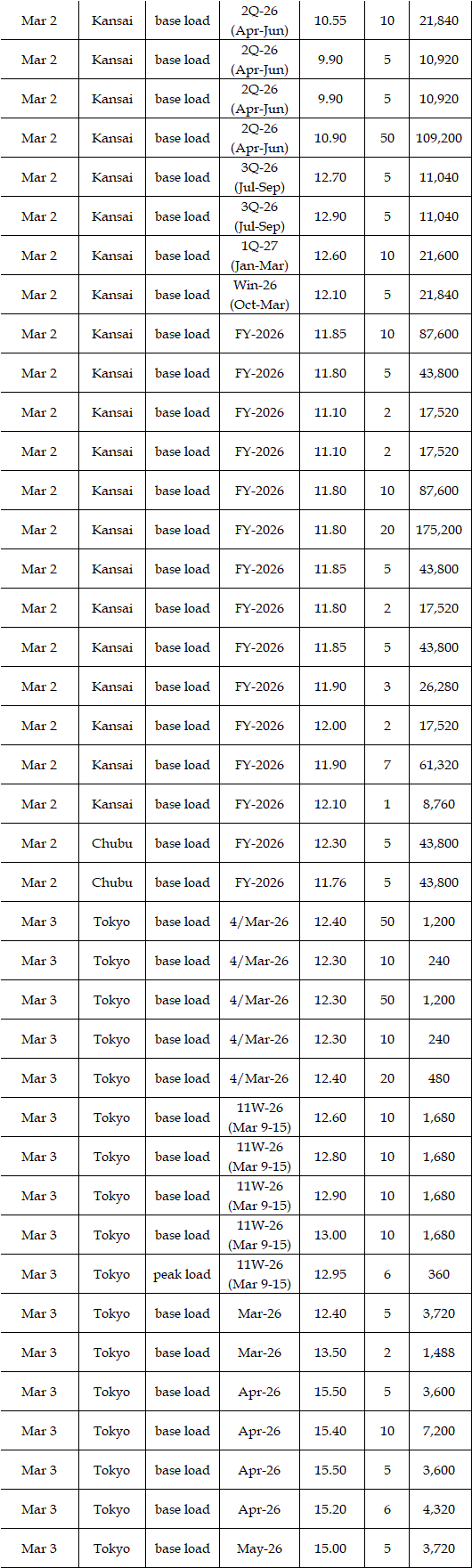
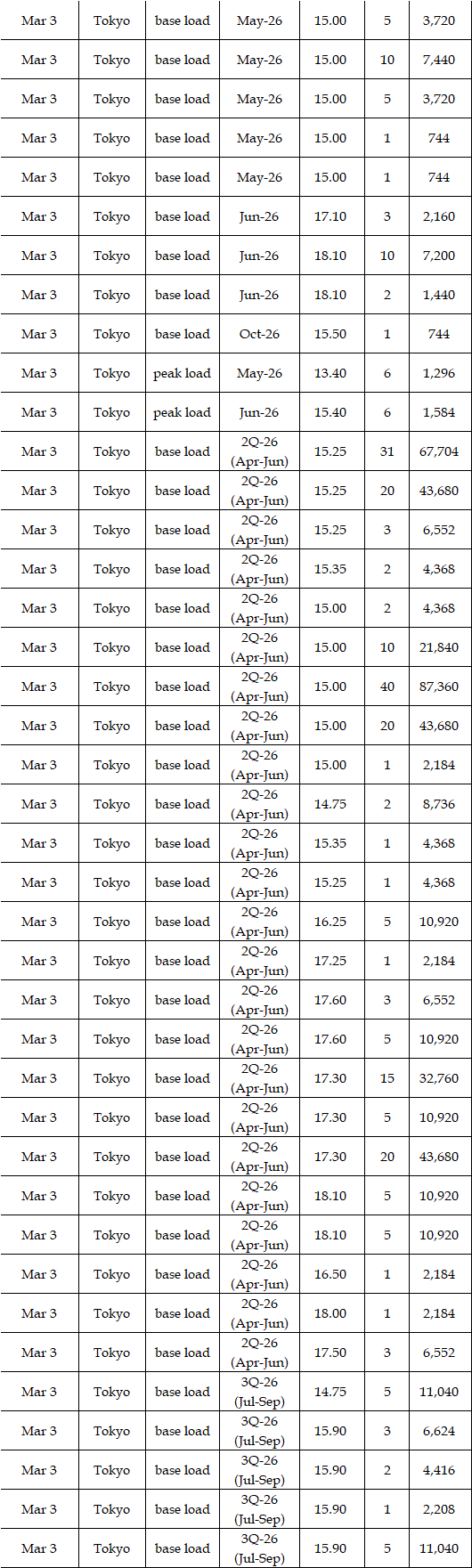
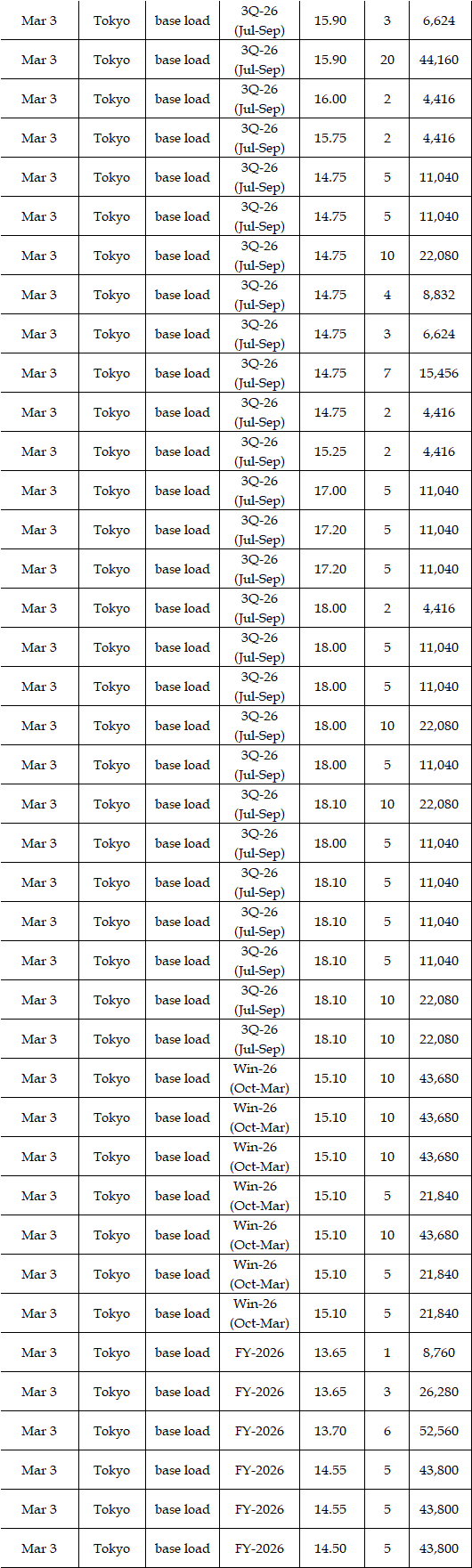
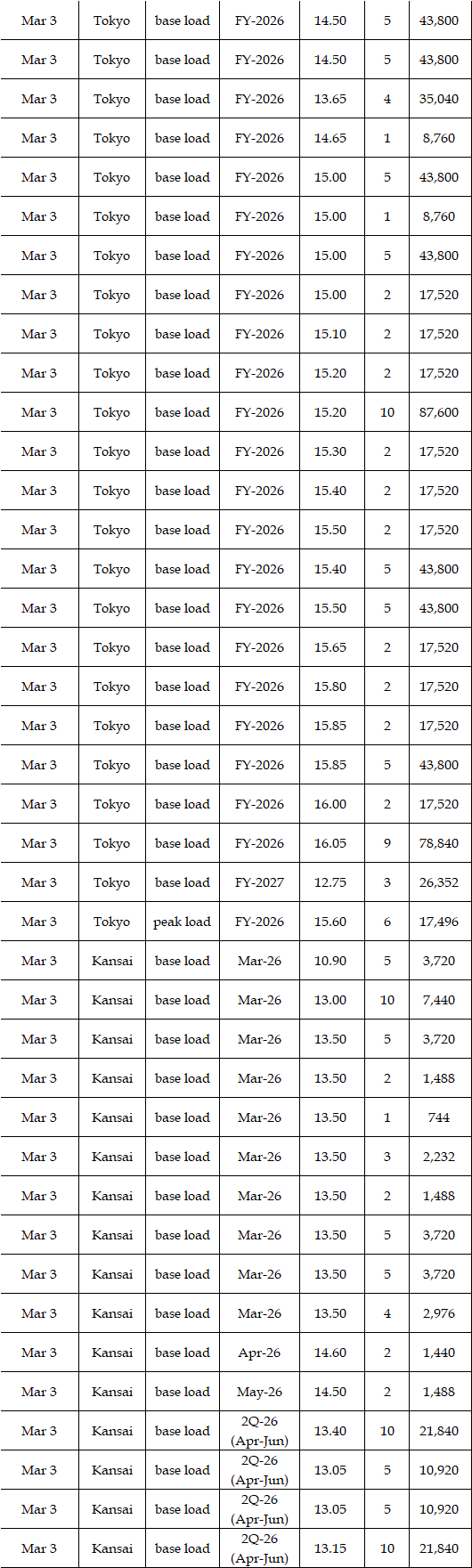
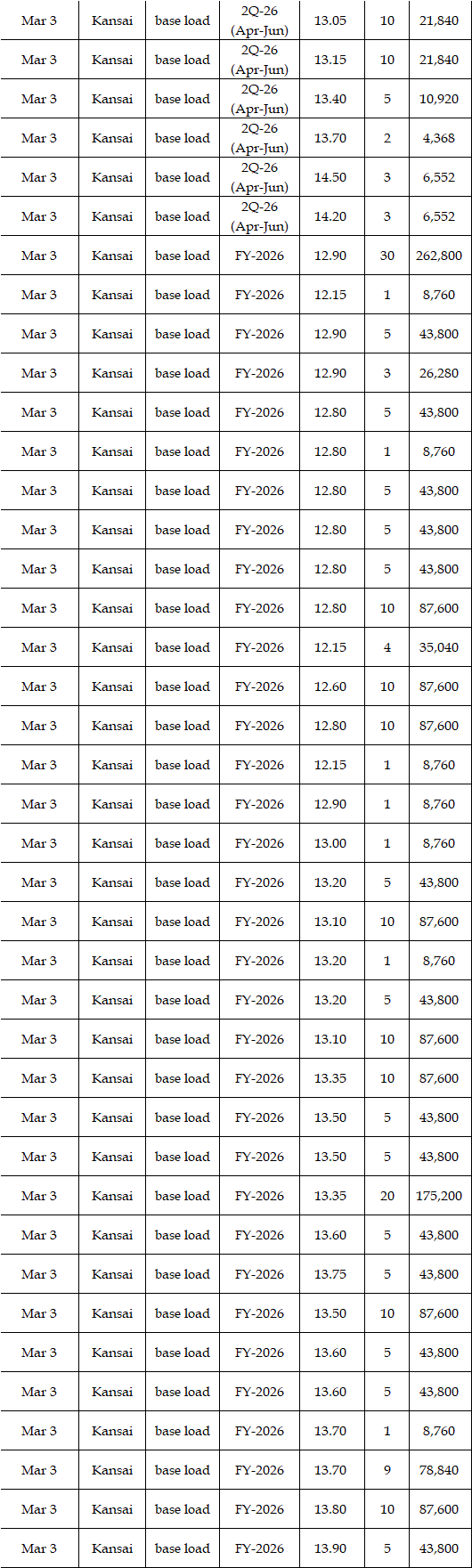
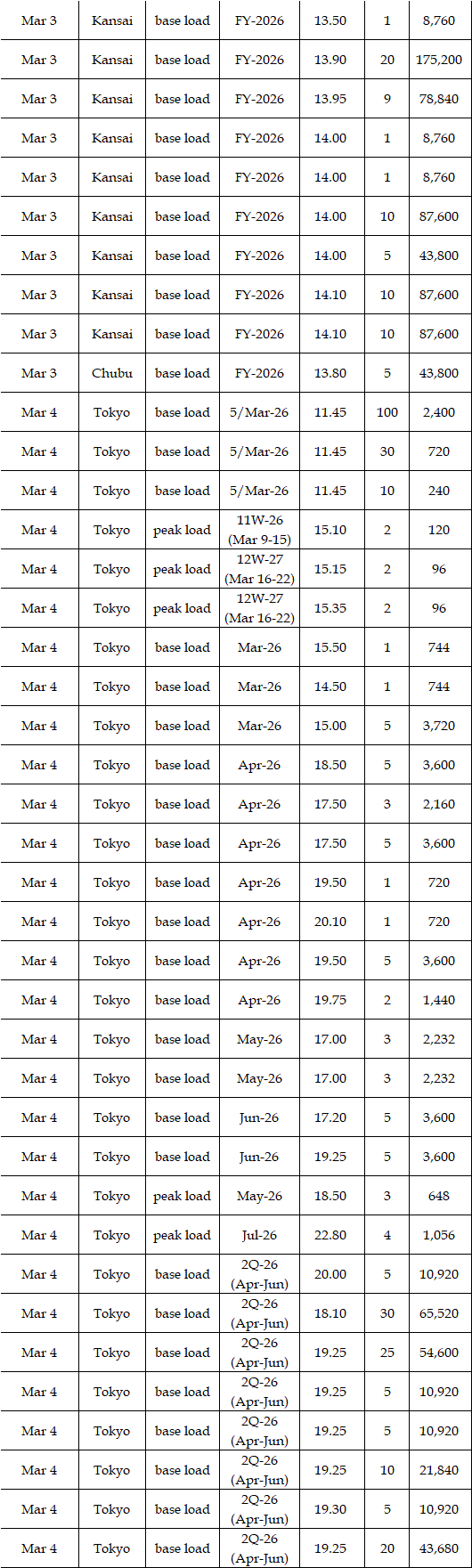
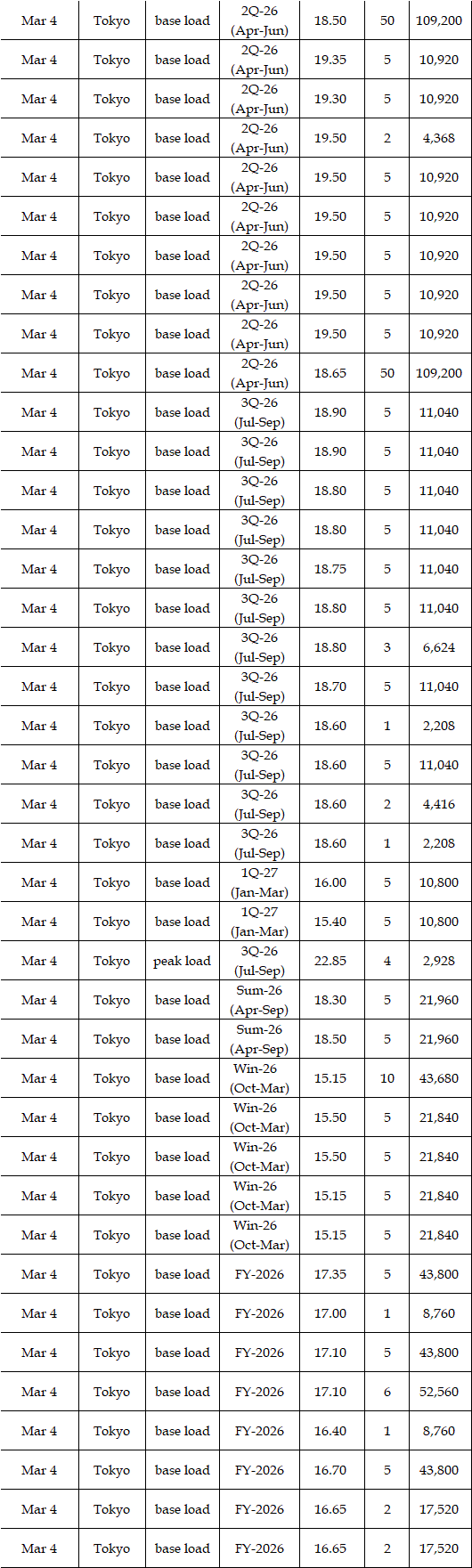
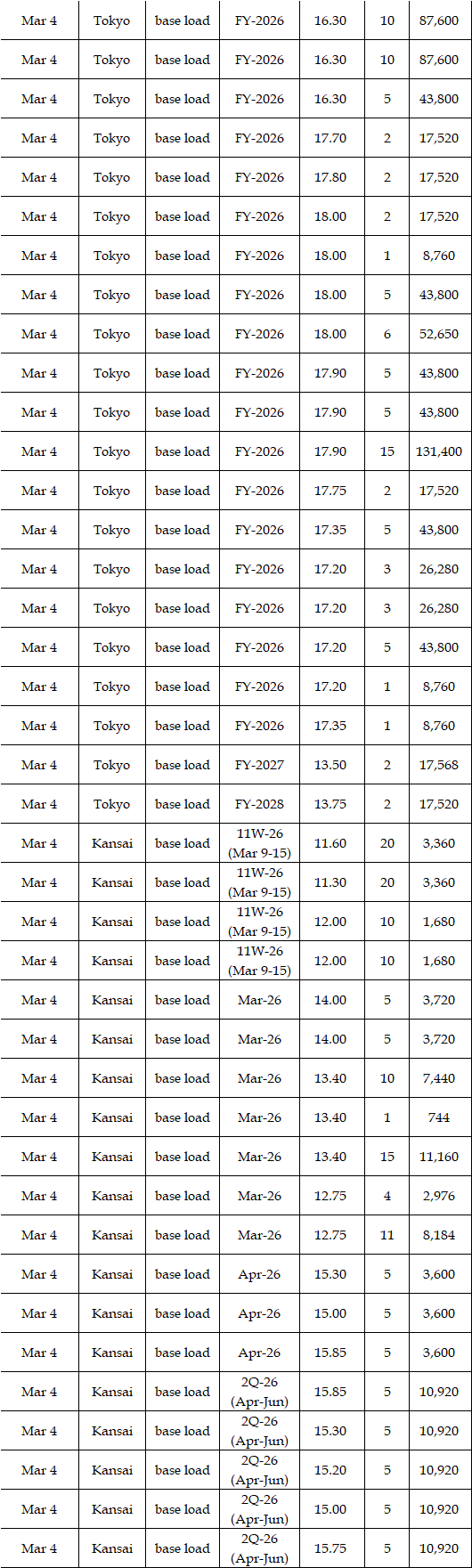
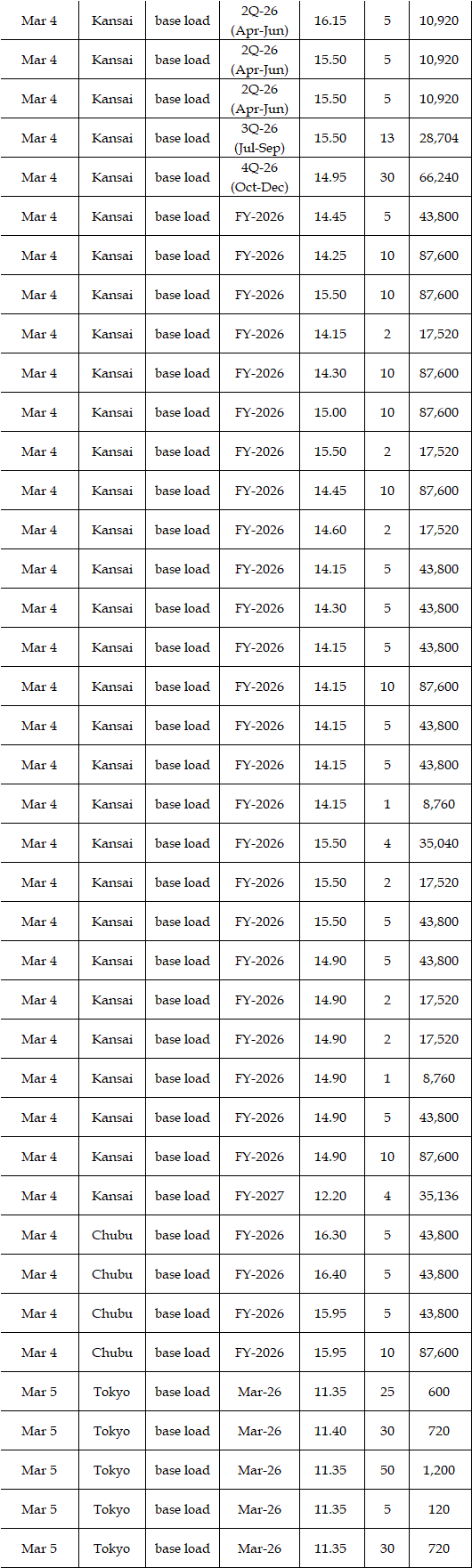
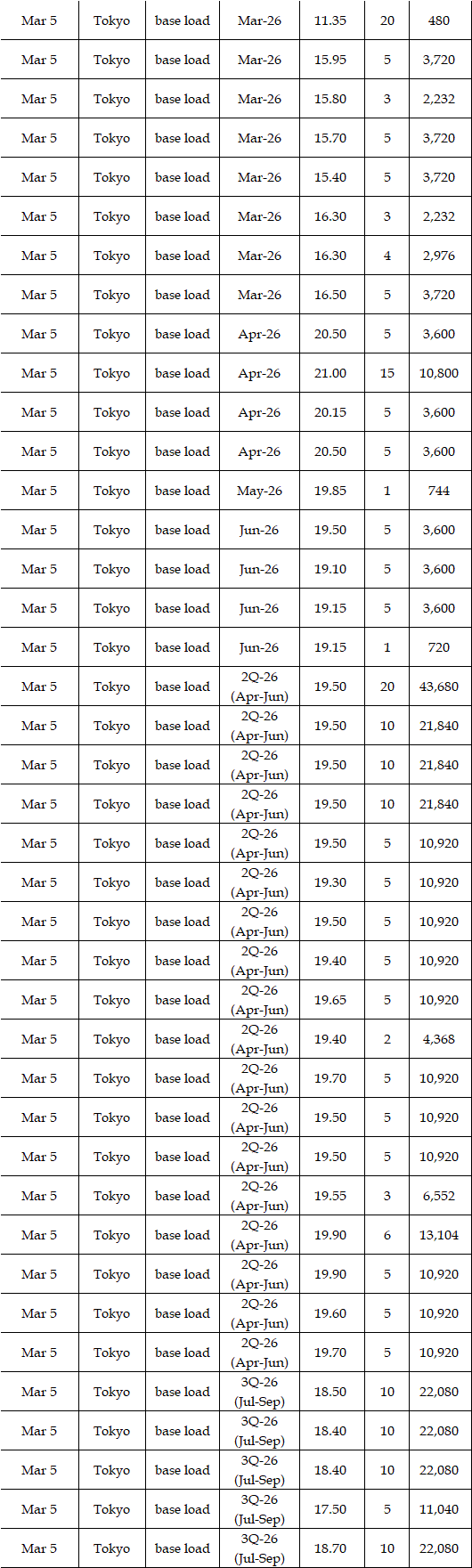
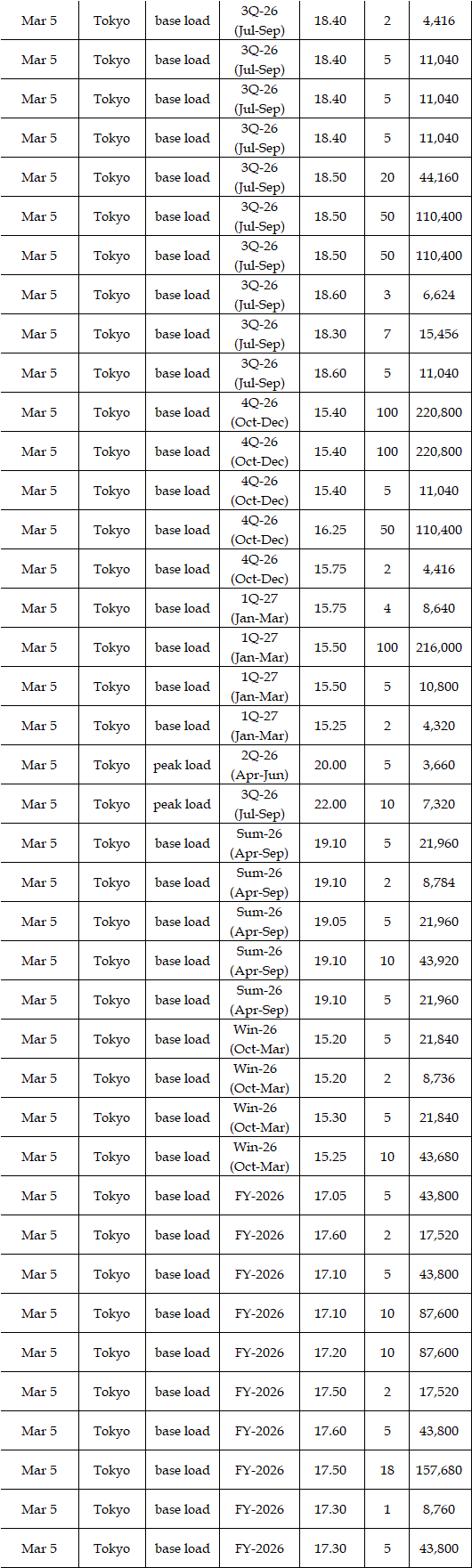
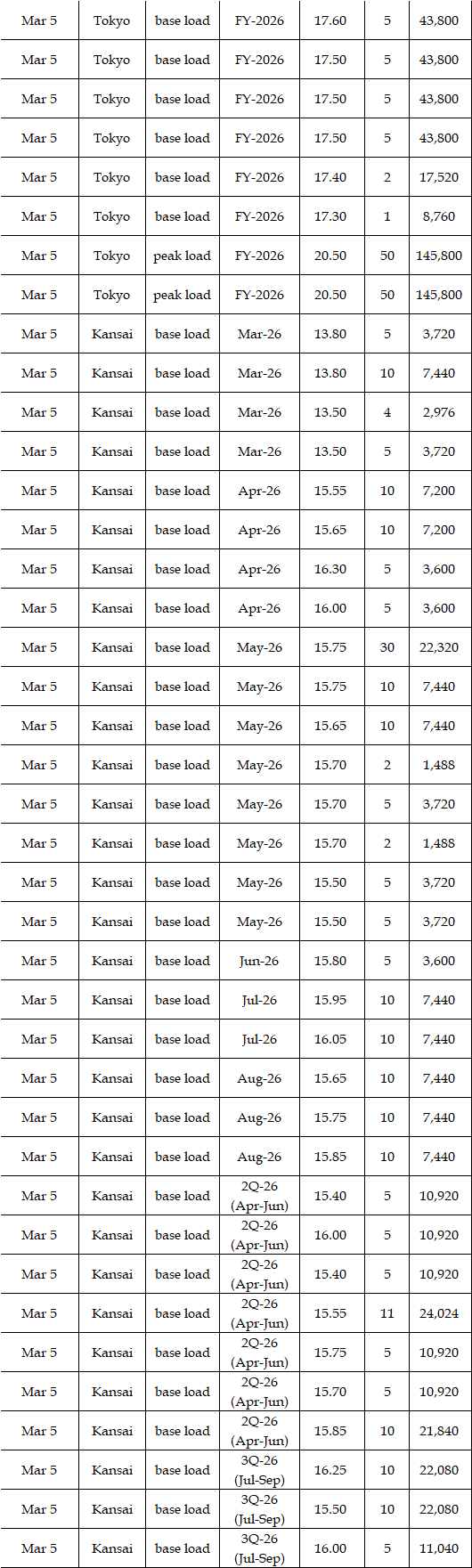
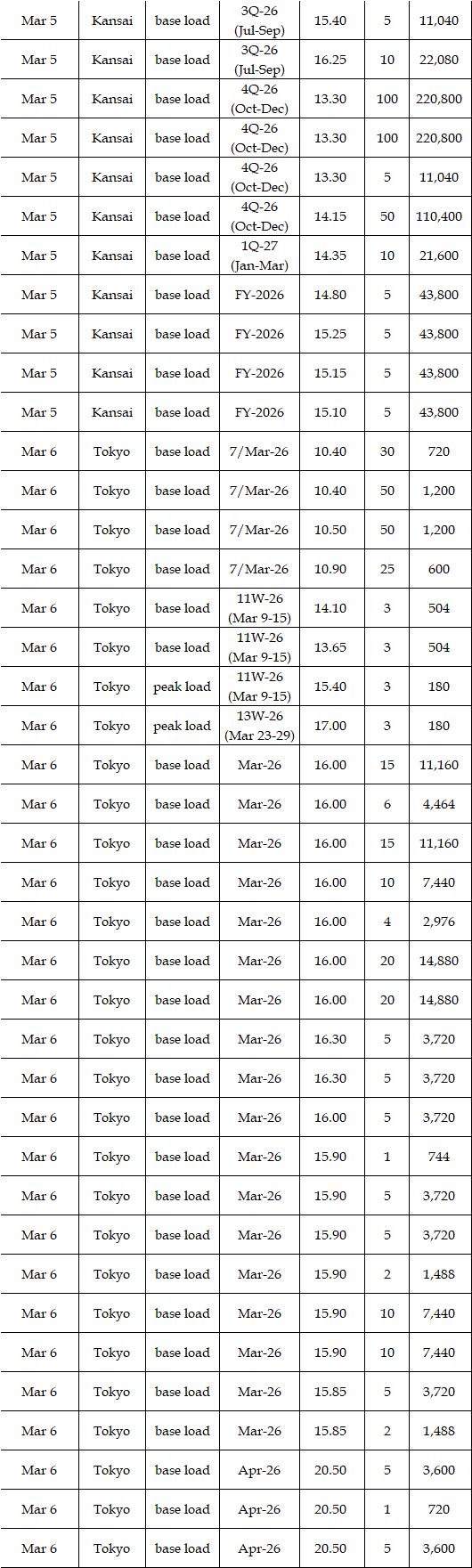
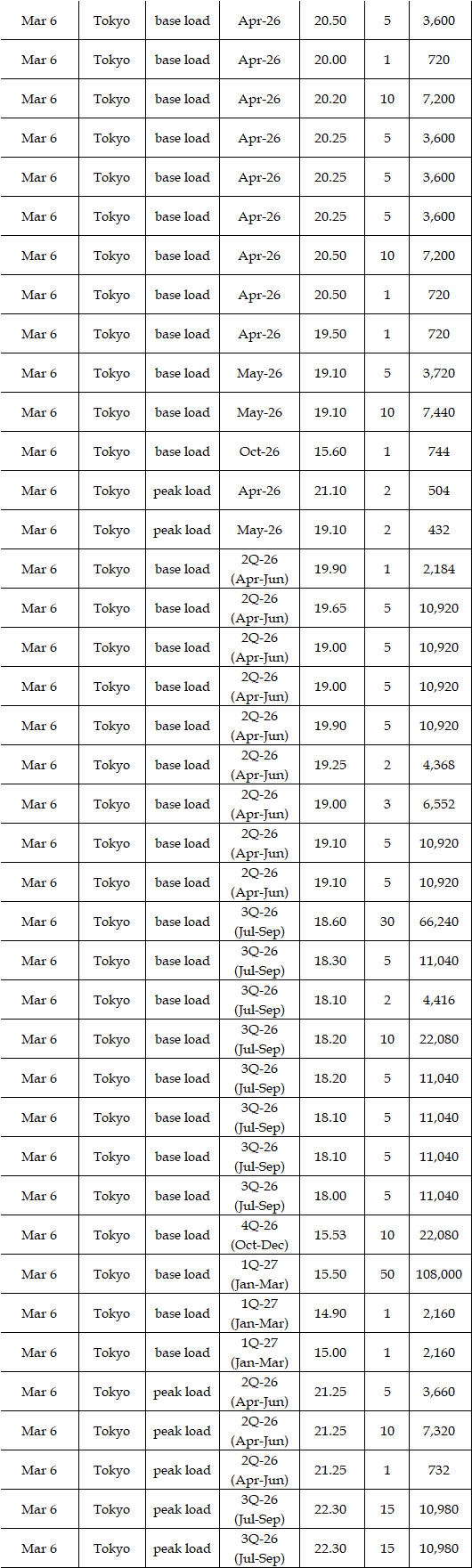
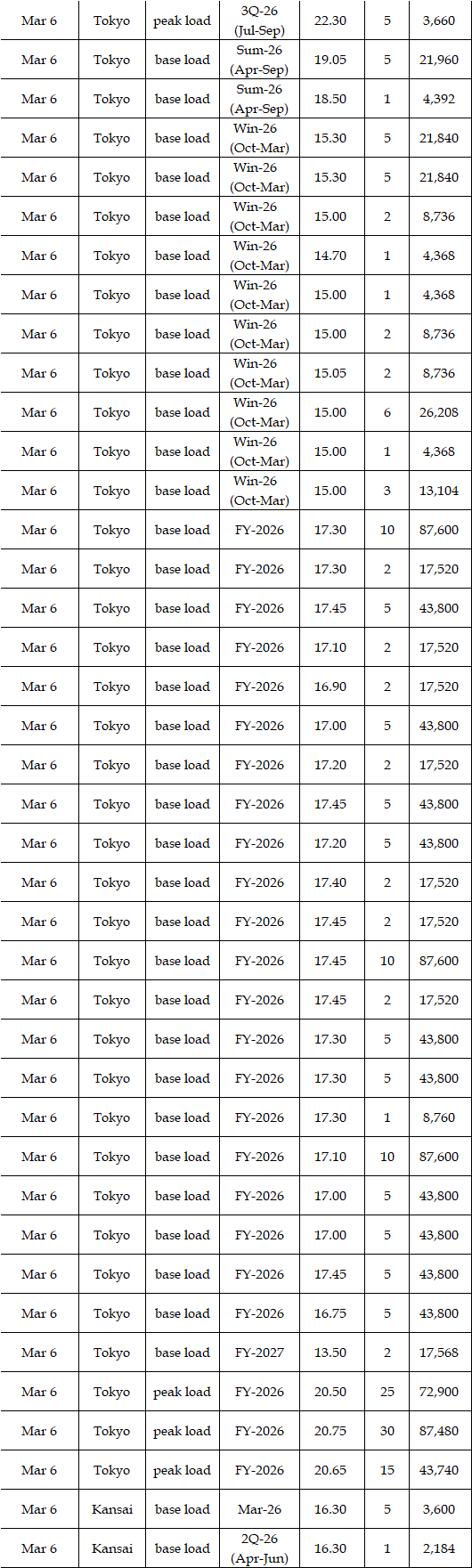
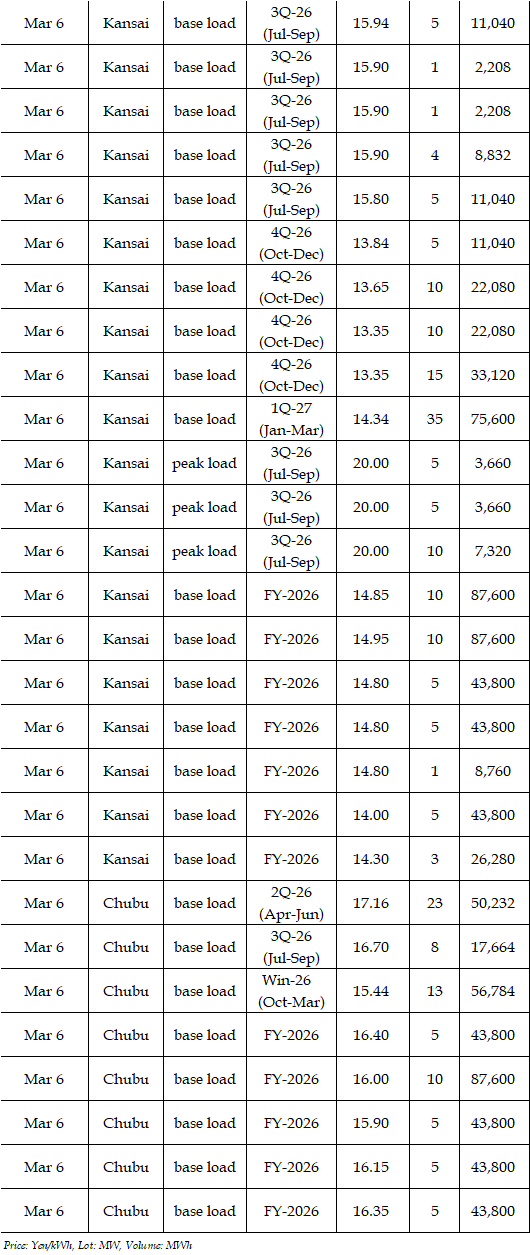
Some viewed that prices for the second week in March were expected to rise from the first week. While temperatures and weather conditions were forecasted to be almost the same, a strong fuel market, along with more thermal power plants entering maintenance, can support the market. Indeed, a source at a power market and producer said, "The fuel market may keep either high at least or higher; the scenario of plunges in the market is quite unlikely, which will have a spillover effect on the power spot prices gradually." Asked about the price outlook for the second week in March, the source said, "The base load will hover at Yen 15's in Tokyo. In Kansai, they will be traded at around Yen 2 lower than those in Tokyo." Many suggested the military conflicts between the US and Iran might linger, which would let them worry about the outlook of power spot prices.
|
JEPX: System Price (Day Ahead 24 hours)
|
|
Weekday Price
|
2-Mar
|
3-Mar
|
4-Mar
|
5-Mar
|
6-Mar
|
|
24-Hour Ave
|
10.05
|
11.49
|
10.76
|
10.16
|
10.47
|
|
Volume (MWh)
|
797,702
|
767,544
|
800,008
|
828,577
|
801,128
|
|
(unit: yen per kWh) (date: delivery day)
|
|
|
|
 - Fair & Reliable -
 Post
Post Print
Print


