|
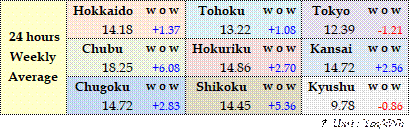
In the day-ahead market on JEPX (Japan Electric Power Exchange), the 24-hour spot power prices on a weekly average basis for Mar 16-20 delivery gained further from the week before for East Japan (50 Hz) and West Japan (60 Hz). Despite dull demand, the high fuel market began to affect the fuel prices. Based on the gas prices at this moment, the unit cost of power generation exceeded Yen 15 even at high-efficiency gas-fired power plants, which might have resulted in offers with the price level and then windows with over Yen 15 in the daytime and night. Moreover, more thermal power plants entering maintenance as well as the repair work of the power grid also played a part in raising prices, especially in Tokyo, where base load recorded Yen 17-18 on many days. On Mar 13, the 1,356 MW No. 6 unit (ABWR = Advanced Boiling Water Reactor) at its Kashiwazaki-Kariwa nuclear power station halted sending power to Tokyo. Combined with these factors, "Prices in Tokyo skyrocketed" (a source at a power producer and supplier).
The spread of the 24-hour spot average between Tokyo and Kansai, a major market area in East and West Japan, was Yen 2.86 on Mar 16, Yen 1.43 on Mar 17, Yen 1.52 on Mar 18, Yen 5.62 on Mar 19, and Yen 6.27 in Mar 20 in favor of Tokyo.
The fuel market trends in the third week of March were detailed as follows.
DES Northeast Asia spot LNG prices on Mar 19 hovered at around $20 per mmBtu for March 2026 delivery, up by over $1 from the end of last week (Mar 13). A strong natural gas market in Europe sent the DES Northeast Asia market higher. The Ministry of Economy, Trade, and Industry (METI) announced on Mar 18 that Japan's LNG inventories for power generation stood at 2.30 mil mt as of Mar 15, up by 180,000 mt from a week before. The figure was above the end of February last year (2.12 mil mt) and the average for the past five years (2.14 mil mt).
FOB Newcastle thermal coal prices in Australia were at around $133's per ton for March 2026 loading as of Mar 19, down by around $2 from the end of the previous week.
In the crude oil market, WTI crude for April 2026 stood at over $98 per barrel at 8AM on Mar 19, while Brent crude for May 2026 was trading in the mid-$109's. Prices gained by around $0.3 from the end of the previous week for WTI and by around $6.5 for Brent. The lingering turmoil in the Middle East, such as the closure of the Strait of Hormuz, made the supply worries reverberate in the crude market.
The actual highest price during the week was at Yen 30.77 in Hokuriku, Kansai, and Chugoku on Mar 16; the actual lowest price during the week was at Yen 0.01 in Tohoku, Chugoku, & Kyushu on Mar 16-17, and Shikoku & Kyushu on Mar 19.
The weekly average of the 24-hour spot prices by area and the weekly average volume of offers, bids, and trades are shown in the table below.

Power demand in nine areas of Japan during Mar 16-20 was 11,636.44 mil kWh, down 10.5% from 13,000.93 mil kWh during Mar 9-13. The figure was down 8.0% from the corresponding period a year earlier, which was 12,648.14 mil kWh during Mar 17-21, 2025, after day-of-week adjustment.
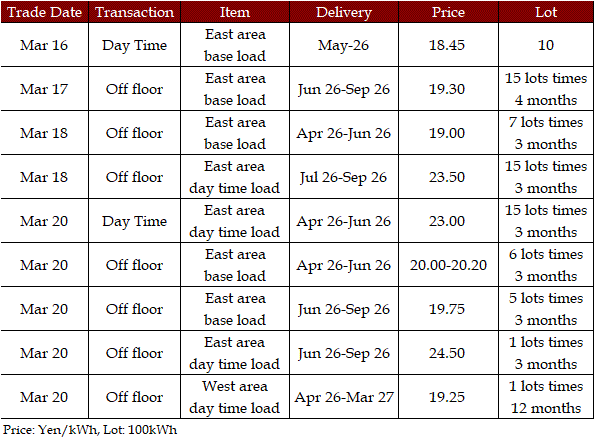
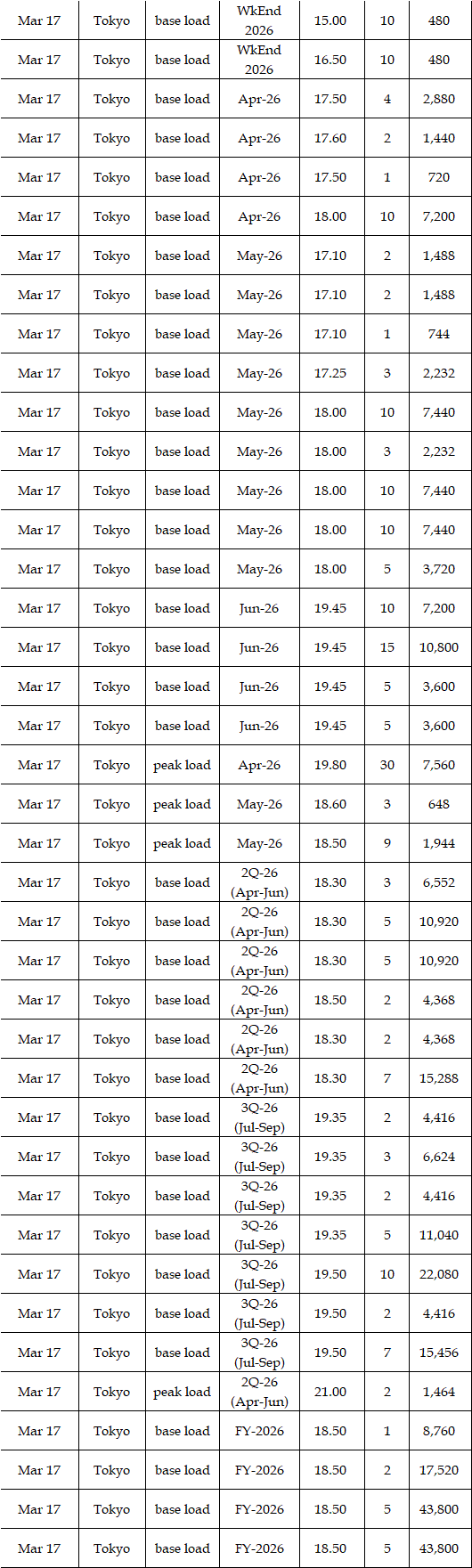
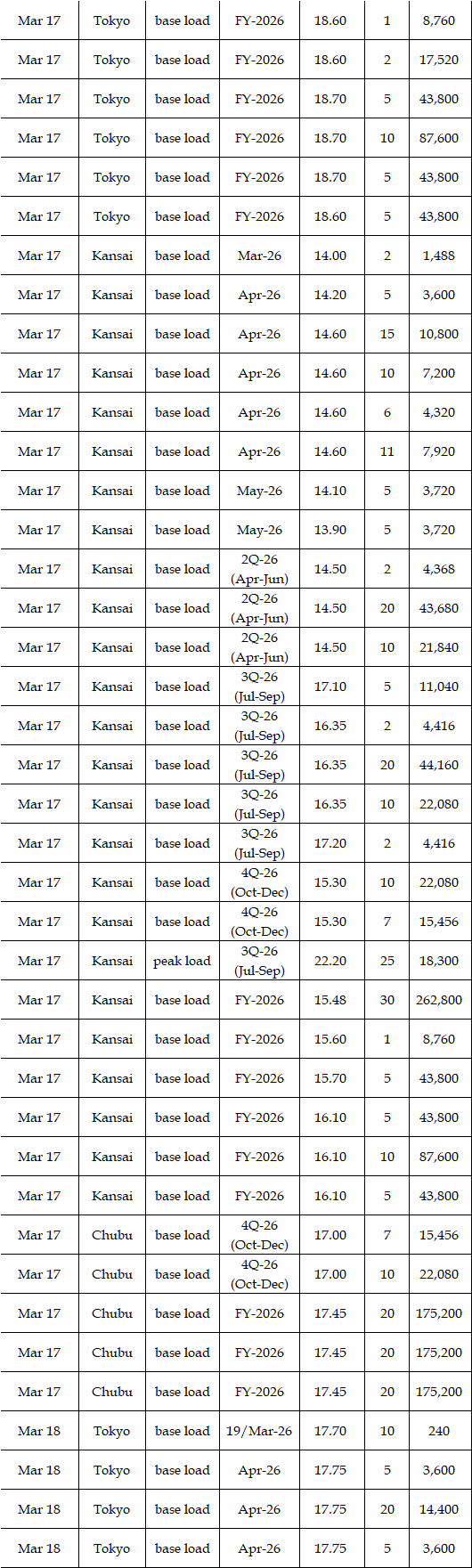
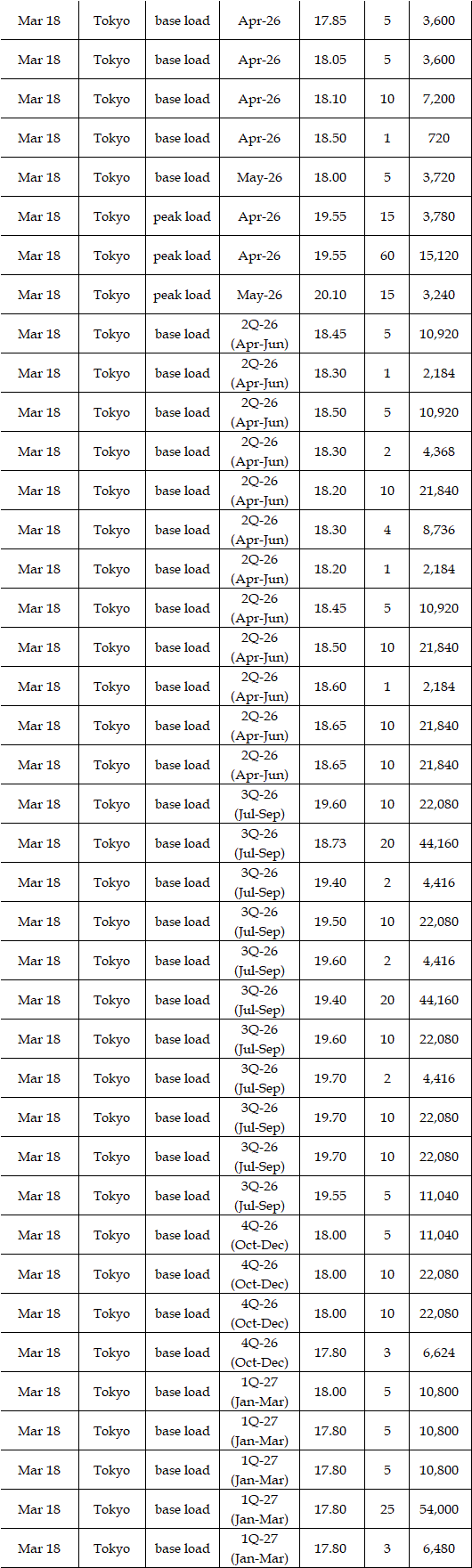
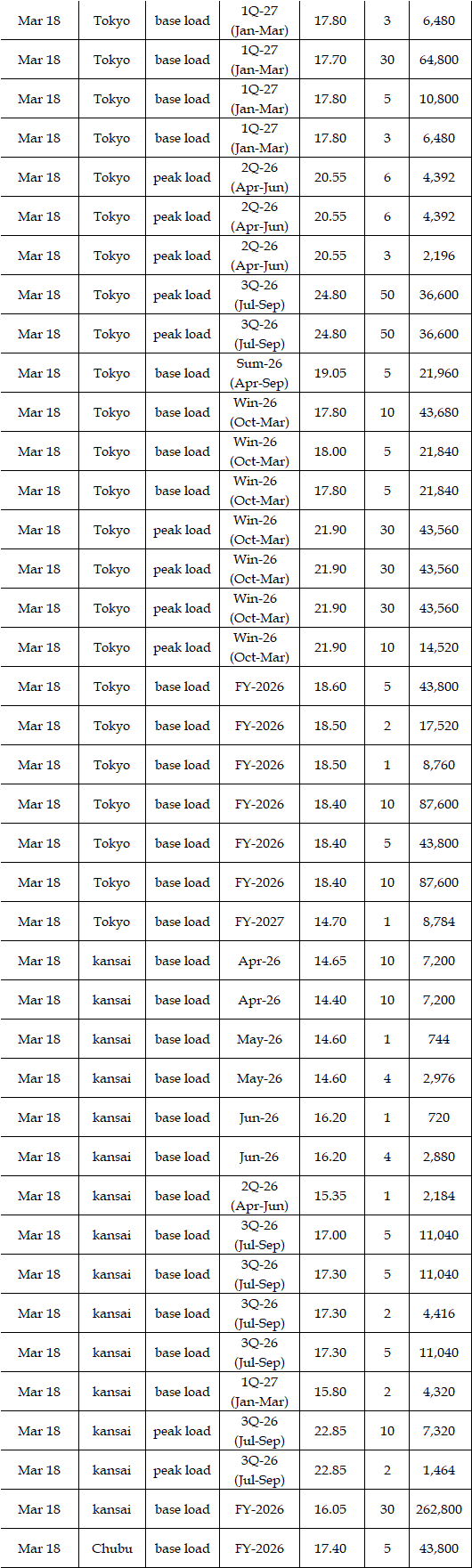
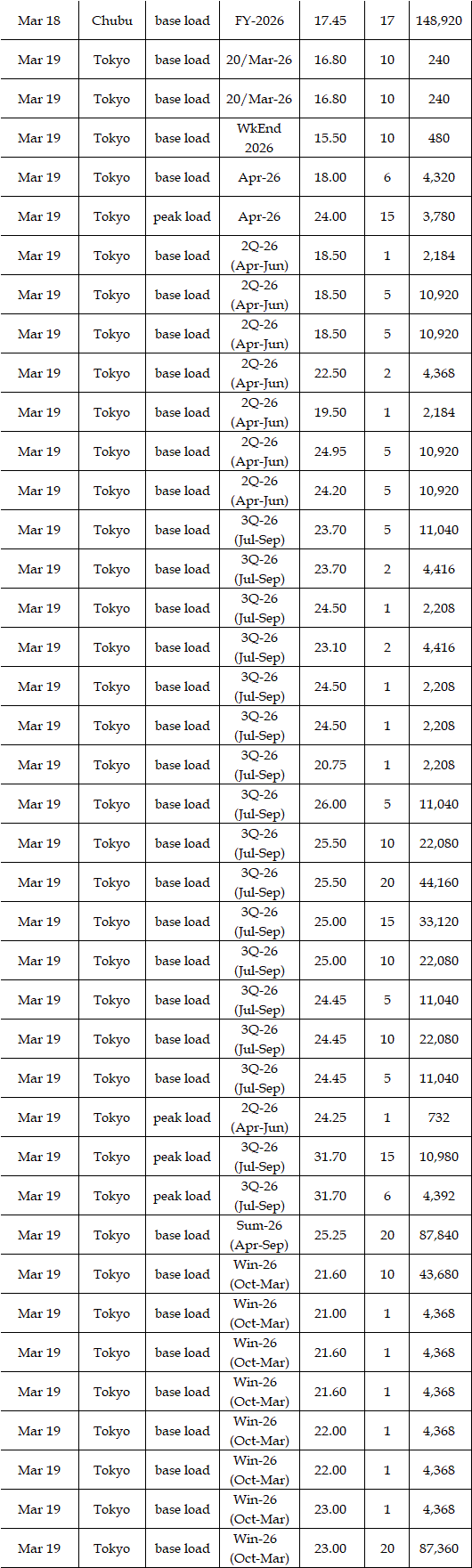
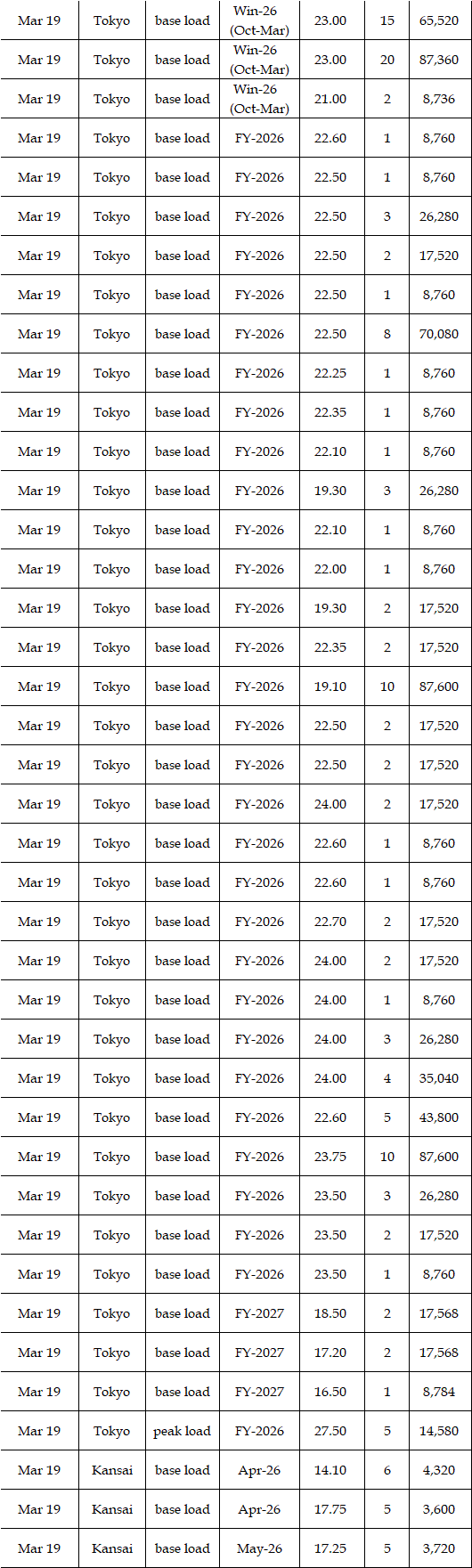
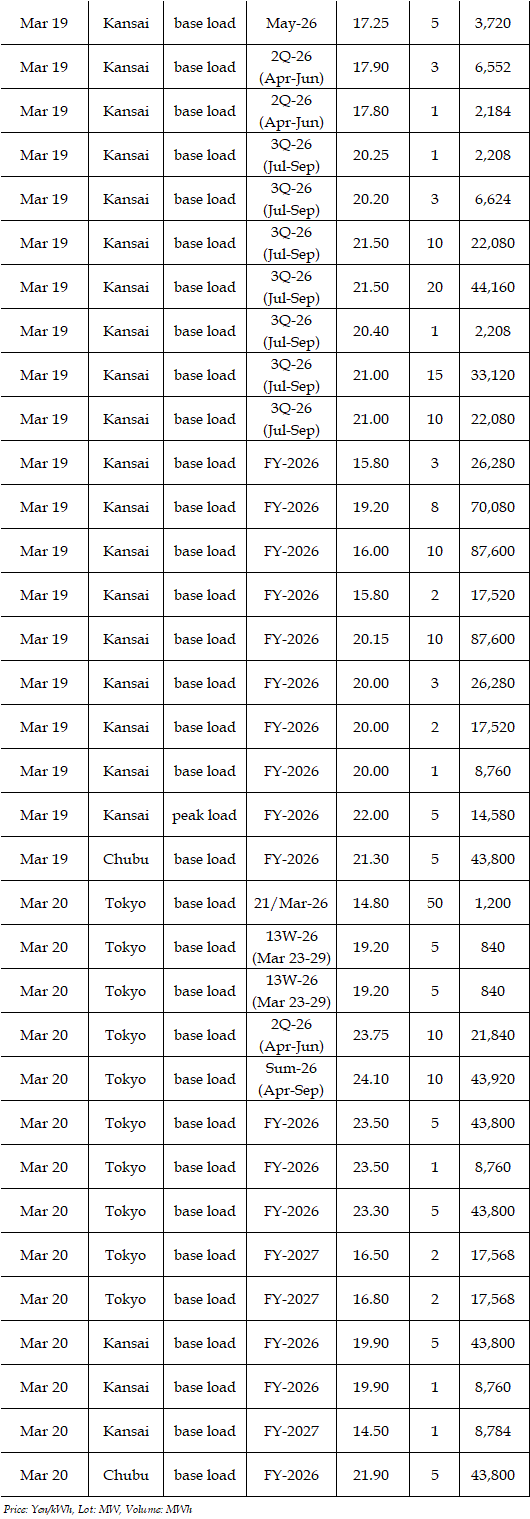
Deals reported on TOCOM (Tokyo Commodity Exchange) during Mar 16-20 were as below.
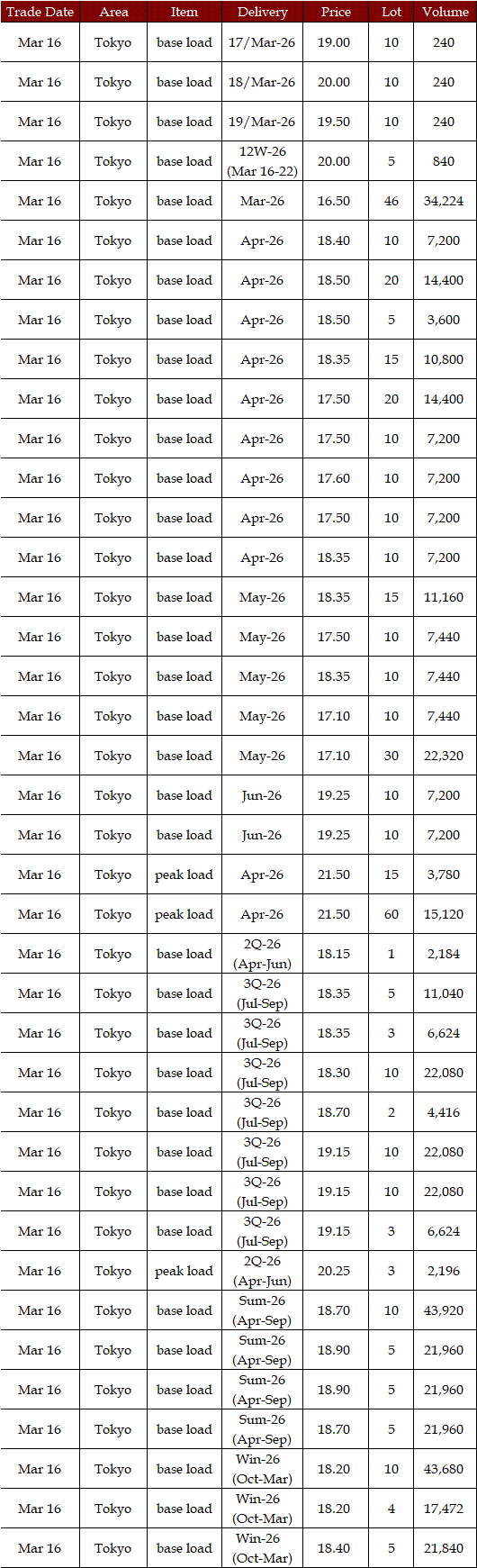
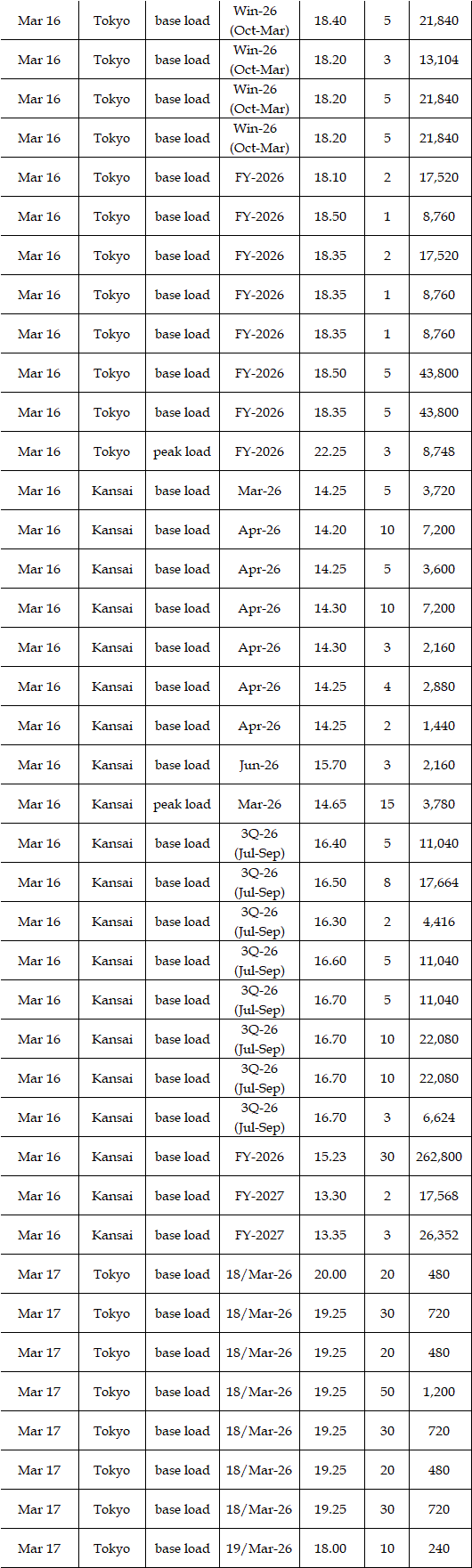
Deals reported on EEX (European Energy Exchange) during Mar 16-20 were as below.
Prices for the fourth week in March were expected to exceed those for the third week. Despite mild weather in spring, the weather forecast was calling for cloudy days through the week, limiting outputs from photovoltaic power plants. Moreover, more thermal power plants would enter maintenance, lowering supply capacity further. Amid this, high fuel costs had already been priced in the offers, which were at around Yen 15-20 in the daytime and night. As a result, "To ensure procurement, buyers will hike bids further," a source at a power producer and supplier said. Asked about the outlook for the fourth week of March, the source said, "Base load prices may continue to stay at above Yen 20 in Tokyo. The expected decoupling repeatedly between Tokyo and Chubu due to the maintenance at the frequency converter as well as the outage at the No. 6 unit at Kashiwazaki-Kariwa nuclear power station will support the prices. For Kansai, they may hover at Yen 15-17."
|
JEPX: System Price (Day Ahead 24 hours)
|
|
Weekday Price
|
16-Mar
|
17-Mar
|
18-Mar
|
19-Mar
|
20-Mar
|
|
24-Hour Ave
|
14.57
|
14.93
|
16.79
|
12.80
|
11.84
|
|
Volume (MWh)
|
846,702
|
850,755
|
814,031
|
830,285
|
790,412
|
|
(unit: yen per kWh) (date: delivery day)
|
|
|
|
 - Fair & Reliable -
 Post
Post Print
Print


