|
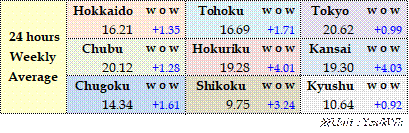
The weekly 24-hour average of power spot prices for May 18-22 delivery in both East Japan (50Hz) and West Japan (60Hz) extended gains from the previous week. Prices moved in tandem with weather conditions. A spell of summer days with temperatures above 25 degrees Celsius continued, and solar power generation fell as weather conditions deteriorated towards the latter half of the week, causing prices to climb steadily from the early to latter part of the week. However, as temperatures dropped on May 22, prices also deepened losses from May 21.
On May 21, power sharing was implemented in the Tohoku, Kansai, and Chugoku areas. Troubles with power generation facilities and a decrease in solar power output had a significant impact. A supply-demand manager at a power producer and supplier stated, "Amid many facilities being offline for regular maintenance and other reasons, the impact of power generation facility troubles is substantial. Furthermore, with the additional decrease in solar power, the supply-demand balance likely tightened."
Looking at the East-West spread for the 24-hour average of spot prices in Tokyo and Kansai, the major East and West areas, it was Yen 3.21 in favor of the East on May 18, Yen 1.72 in favor of the East on May 19, Yen 0.46 in favor of the East on May 20, and Yen 1.29 in favor of the East on May 22, while on May 21, it was Yen 0.12 in favor of West. The East-West spread has been rapidly narrowing, and many voices are pointing to the impact of the shutdown of Kansai Electric Power Co (KEPCO)'s Mihama nuclear power station Unit 3 (rated output 826,000 kW, PWR type, Mihama Town, Fukui Prefecture).
The fuel market from the fourth week of May was as follows.
DES Northeast Asia spot LNG prices as of May 21 for June 2026 delivery were in the high $18 level per mmBtu, decreasing by around $0.25 from the previous weekend (May 15). Although the US was expected to attack Iran even on May 19, US President Trump's statement on his social media that he would call off the attack and the increased likelihood of the US and Iran agreeing on a peace proposal served as bearish factors. However, significant differences are still believed to remain in the negotiation demands between the US and Iran, and the situation remains unpredictable.
FOB Newcastle Australia thermal coal prices as of May 21 for June 2026 loading were in the mid-$137 level per ton, increasing by around $1.00 from the previous weekend (May 15).
Crude oil prices as of 15:00 JST on May 22 saw the NYMEX WTI contract for July 2026 hover in the low $98 level per barrel, while the ICE Brent contract for July 2026 hovered in the low $105 level. From the previous weekend (May 15), WTI was down by around $3.00 and Brent by over $4.00, respectively. As also mentioned for LNG, the developments between the US and Iran were eyed as a market factor.
The highest price throughout the week was Yen 50.01, reached in Tokyo on May 20. Meanwhile, prices slumped to Yen 0.01, with this lowest level posted on May 18 in Hokkaido, Tohoku, Chugoku, Shikoku, and Kyushu; on May 19 in Tohoku, Chugoku, Shikoku, and Kyushu; on May 20 in Kyushu; and on May 22 in Chugoku.
The weekly average of the 24-hour spot prices by area and the weekly average volume of offers, bids, and trades are shown in the table below.
The weekly average of the 24-hour spot prices by area and the weekly average volume of offers, bids, and trades are shown in the table below.

Power demand in nine areas of Japan during May 18-22 was 10,797.10 mil kWh, up 5.1% from 10,268.39 mil kWh during May 11-15. The figure was up 0.8% from the corresponding period a year earlier, which was 10,706.27 mil kWh during May 19-23, 2025, after day-of-week adjustment.
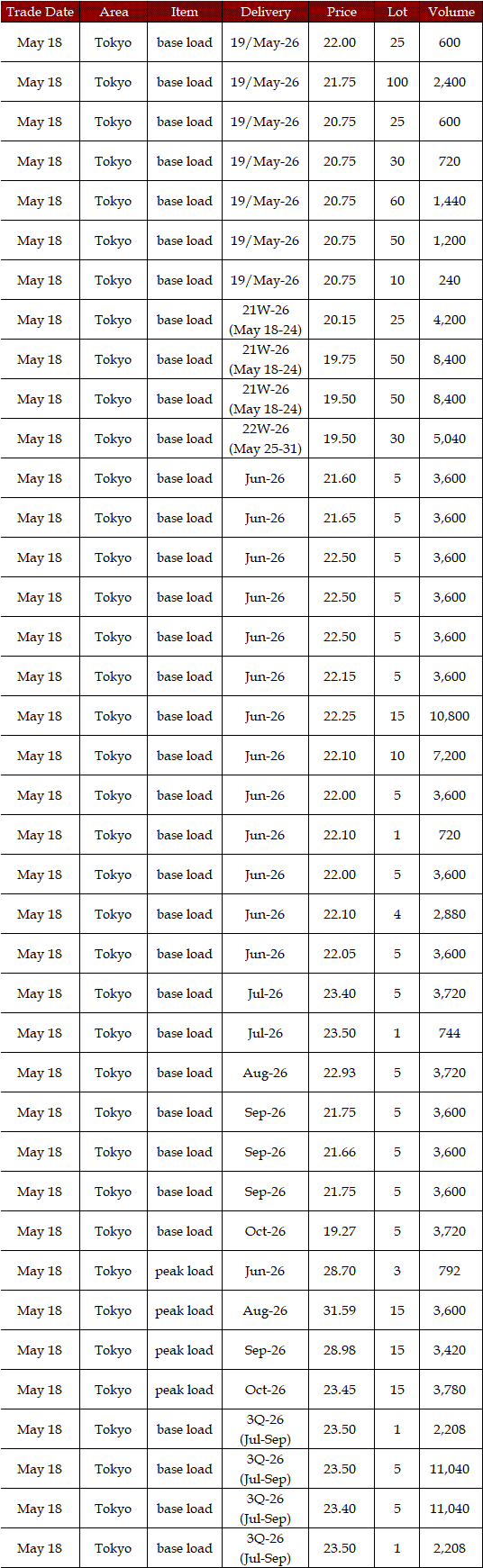
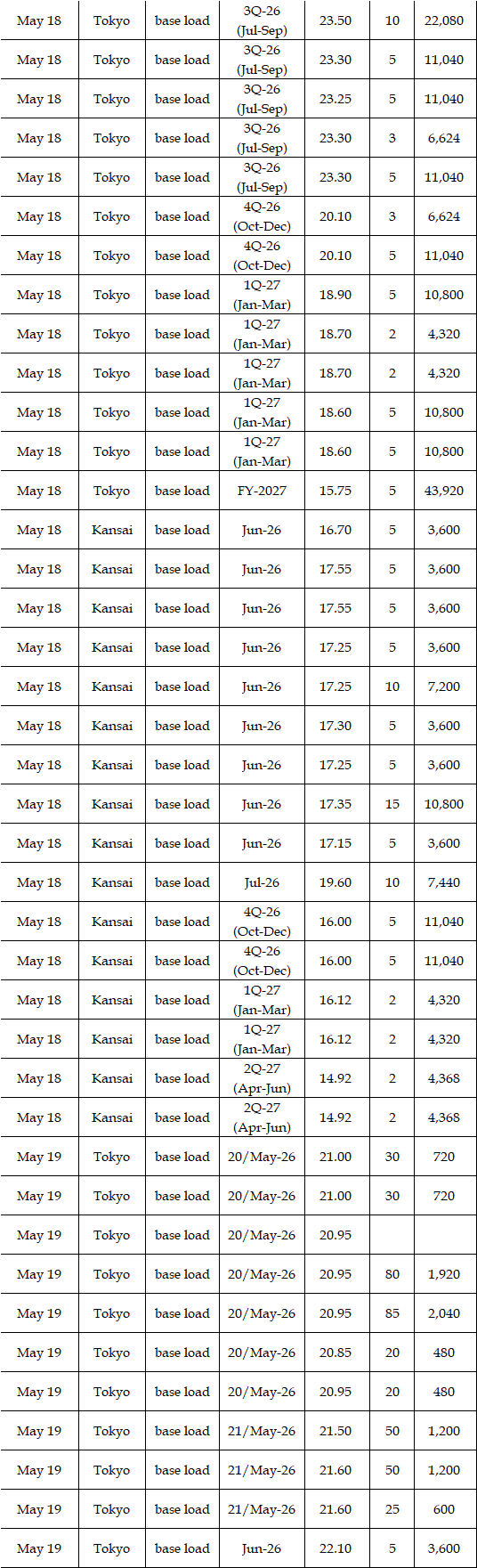
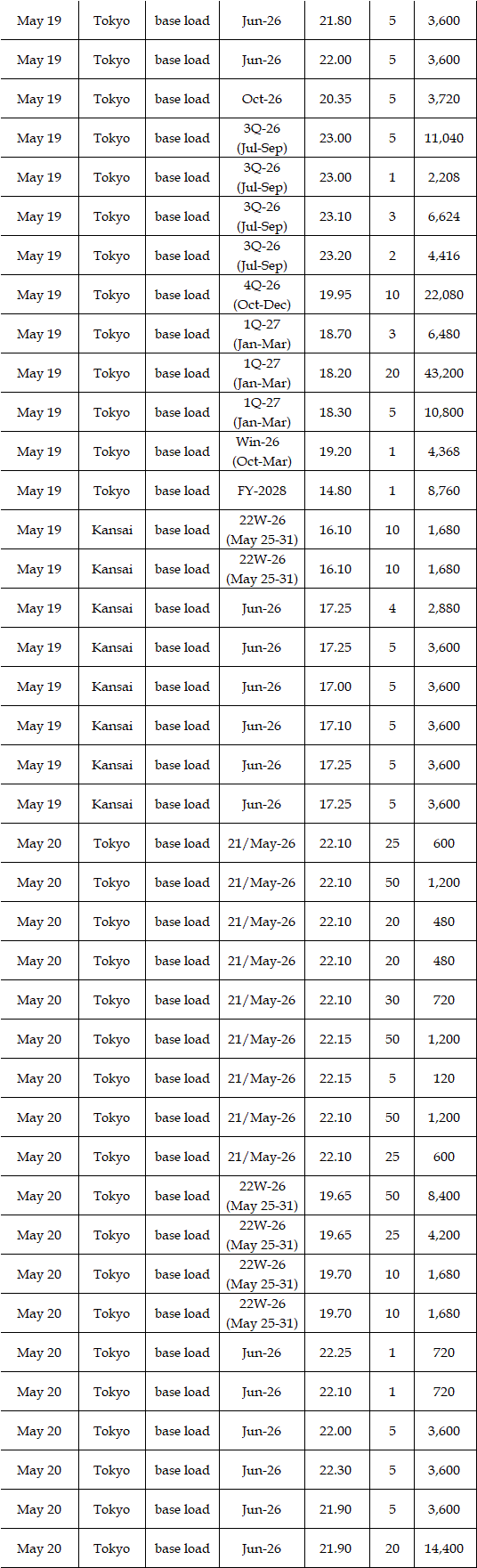
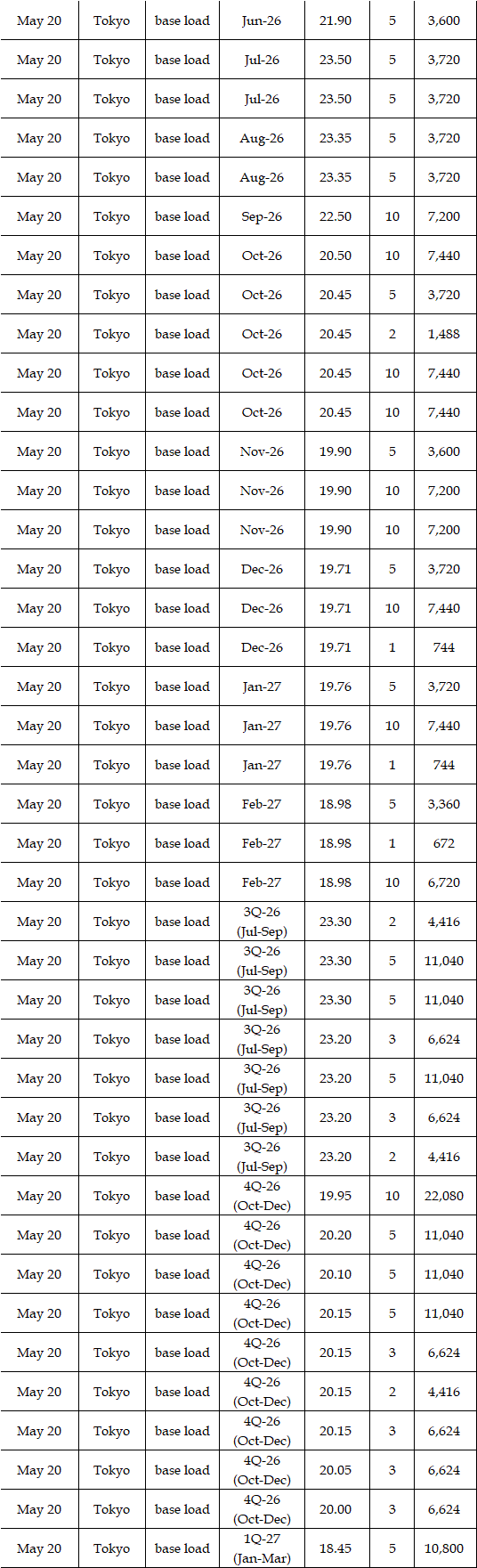
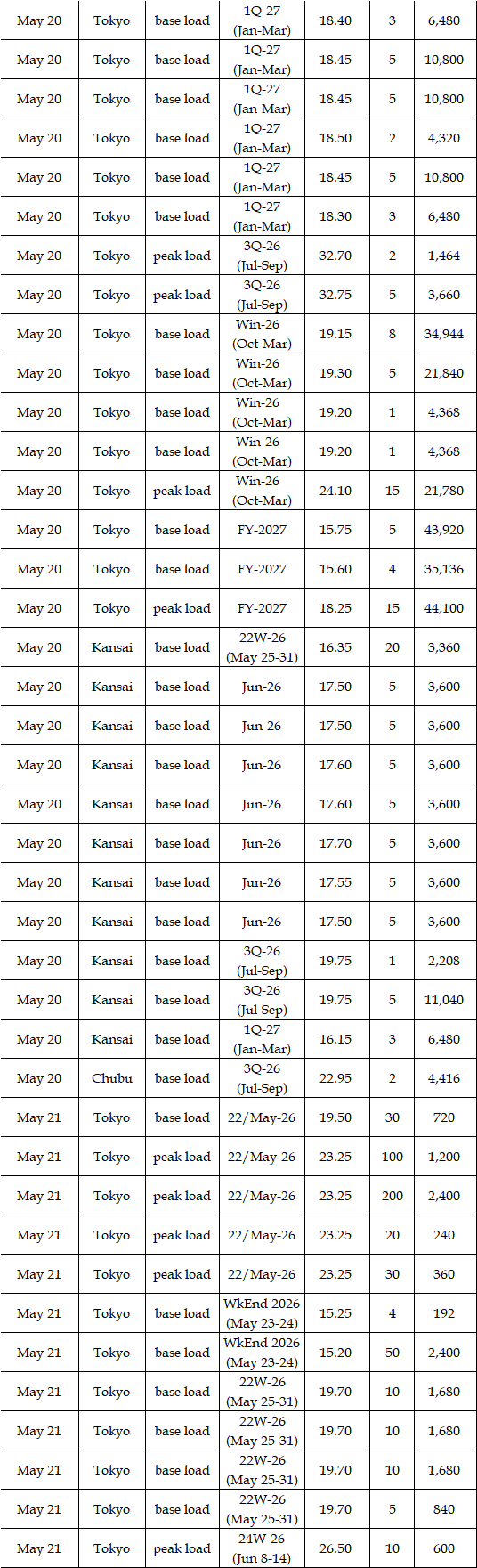
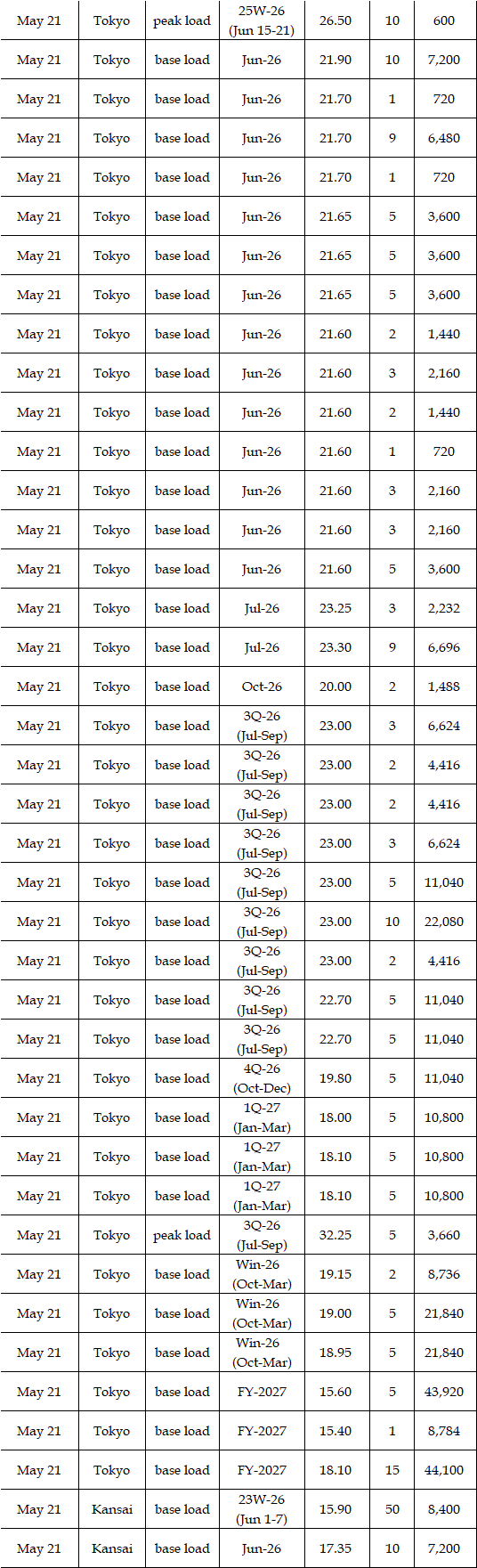
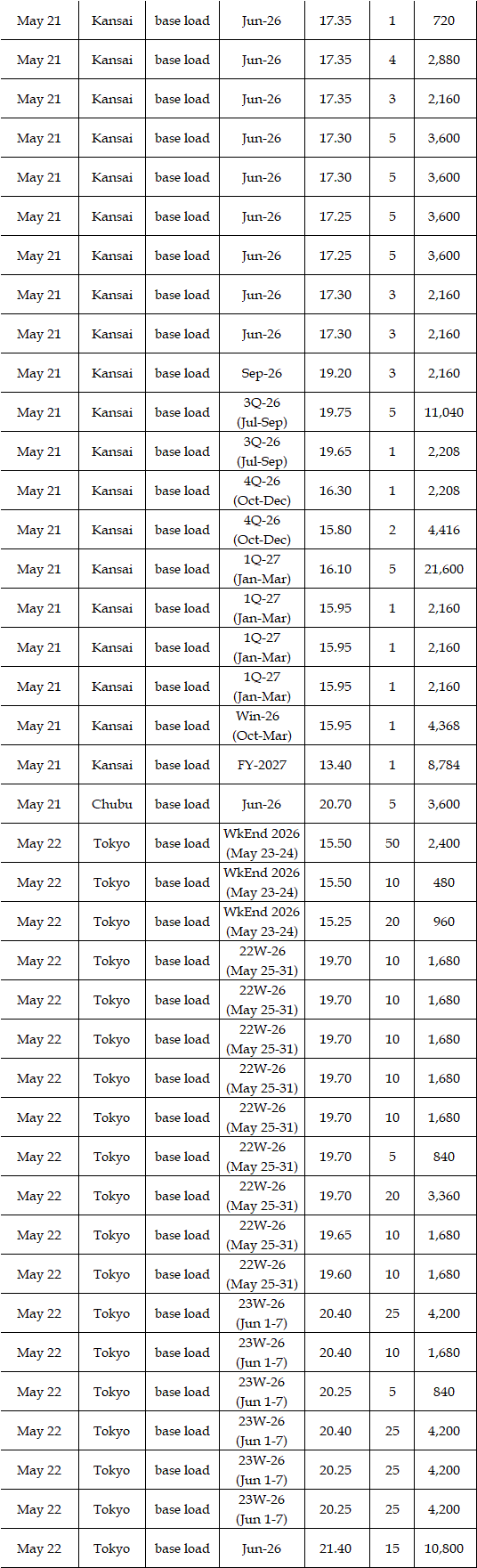
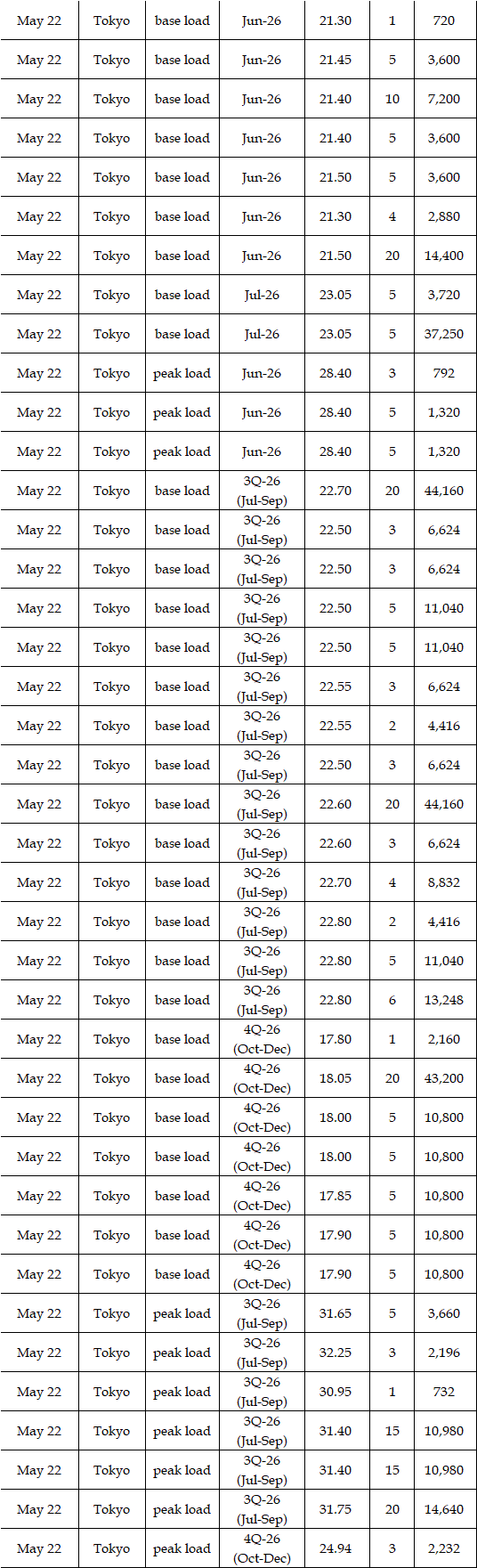
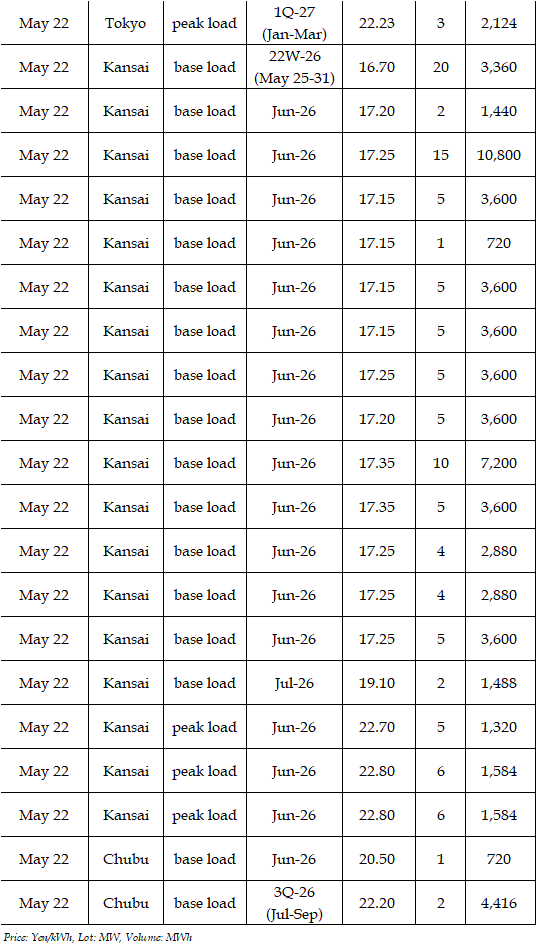
Deals reported on TOCOM (Tokyo Commodity Exchange) during May 18-22 were as below.
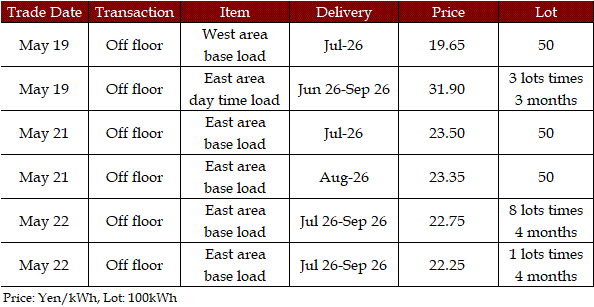
Deals reported on EEX (European Energy Exchange) during May 18-22 were as below.
Power spot prices are set to climb further in the final week of May. Maximum temperatures are forecast to approach 30 degrees throughout the week from southern Tohoku to Kyushu, with early summer-like weather expected to continue. As cooling demand is expected to strengthen further, market procurement activity is expected to increase, which is likely to affect prices. While the weather is expected to be clear in the early part of the week, rain clouds are forecast to increase in the latter half, with a decrease in solar power output also likely to become a bullish factor towards the end of the week.
Regarding price trends in the final week of May, a market trading manager at a power producer and supplier stated, "Prices will likely be strongly influenced by weather conditions. With temperatures expected to increase further, I believe prices will be underpinned. Tokyo's base prices are likely to continue to exceed Yen 20, while Kansai's prices will probably be at a similar level or slightly lower. I expect prices to remain firm until Mihama Nuclear power station Unit 3 returns to service."
|
JEPX: System Price (Day Ahead 24 hours)
|
|
Weekday Price
|
18-May
|
19-May
|
20-May
|
21-May
|
22-May
|
|
24-Hour Ave
|
12.99
|
14.57
|
19.52
|
20.42
|
16.90
|
|
Volume (MWh)
|
965,407
|
989,613
|
1,026,281
|
1,046,337
|
981,512
|
|
(unit: yen per kWh) (date: delivery day)
|
|
|

|
 - Fair & Reliable -
 Post
Post Print
Print


