|
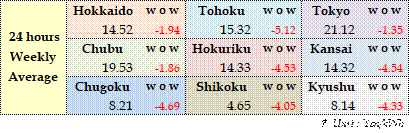
The 24-hour average of spot prices for Jun 8-12 delivery decreased in both East Japan and West Japan from the previous week. Compared to the previous week, easing heat in East Japan and increased solar power generation in West Japan led to a rise in offers to the market, which capped the upside in prices. In particular, in the three areas of Chugoku, Shikoku, and Kyushu, prices of Yen 0.01 were observed across all windows during 08:00-16:00 hours from Jun 10-12, becoming a factor that pressured down prices across West Japan.
Looking at the spread of 24-hour average spot prices between Tokyo and Kansai, which are key areas in East and West Japan, the East-West spread was at Yen 4.86 in favor of the East on Jun 8, Yen 3.28 on Jun 9, Yen 9.60 on Jun 10, Yen 8.33 on Jun 11, and Yen 7.88 on Jun 12, indicating a further divergence in the East-West spread.
Fuel market trends in the second week of June were as follows.
In the Northeast Asian market, DES Northeast Asia LNG prices for prompt July 2026 delivery were at the low $19 level per mmBtu as of Jun 11, marking an increase of around $0.25 from Jun 5. Amid stalled peace talks between the US and Israel, Iran launched a missile attack toward Israel on Jun 7, followed by an Israeli attack on Iranian military facilities on Jun 8. Furthermore, on Jun 9, as retaliation for the shooting down of a US Apache attack helicopter, US forces attacked Iranian ground control facilities and other targets, effectively signifying the collapse of peace talks and serving as a bullish factor for fuel prices. However, as US forces called off a planned attack on Iran on Jun 11, downside pressure on fuel prices intensified towards the end of the week. Japan's LNG inventory for power generation stood at 1.80 mil tons as of Jun 7, marking the lowest level since 1.65 mil tons at the end of September 2025. This was attributed to increased operating rates of LNG thermal power plants on intensified heat. This figure was significantly lower than both 2.23 mil tons as of the end of June last year and the five-year average for June of 2.12 mil tons.
FOB Newcastle Australia thermal coal prices for June 2026 loading were at the high $151 level per ton as of Jun 11, an increase of around $3 from Jun 5.
Crude oil prices for the NYMEX WTI contract for July 2026 were trading at the low $86 level per barrel, and ICE Brent contract for August 2026 at the high $88 level, as of 13:00 JST on Jun 12. From May 29, WTI fell by just under $4 and Brent by just over $4, respectively. As also mentioned for LNG, developments between the US and Iran were cited as a factor, particularly towards the end of the week when the US called off a planned attack on Iran, leading to a sharp widening of the decline.
The weekly average of the 24-hour spot prices by area and the weekly average volume of offers, bids, and trades are shown in the table below.
The weekly average of the 24-hour spot prices by area and the weekly average volume of offers, bids, and trades are shown in the table below.

Power demand in nine areas of Japan during Jun 8-12 was 10,569.41 mil kWh, down 1.6% from 10,744.06 mil kWh during Jun 1-5. The figure was down 2.4% from the corresponding period a year earlier, which was 10,833.87 mil kWh during Jun 9-13, 2025, after day-of-week adjustment.
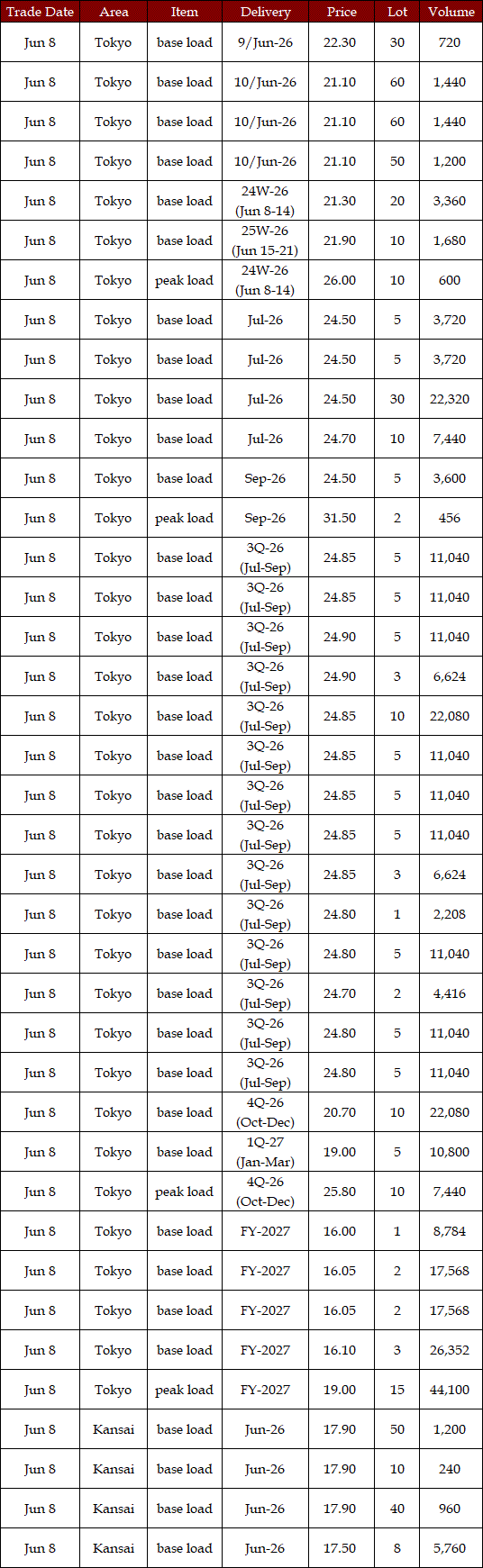
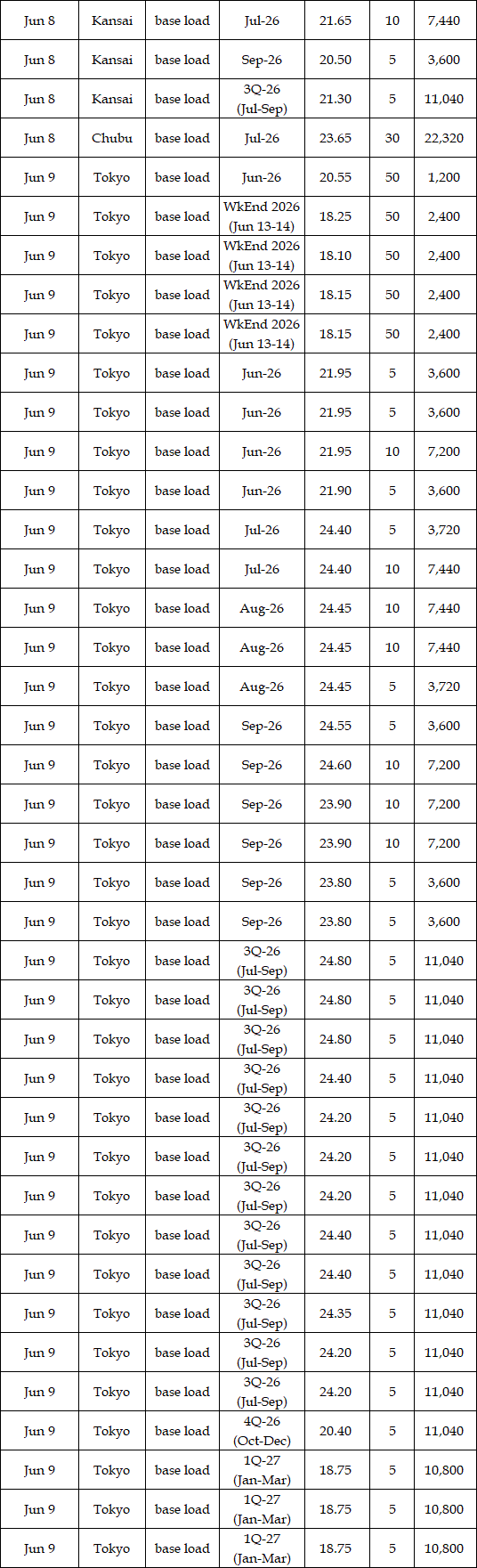
Deals reported on TOCOM (Tokyo Commodity Exchange) during Jun 8-12 were as below.
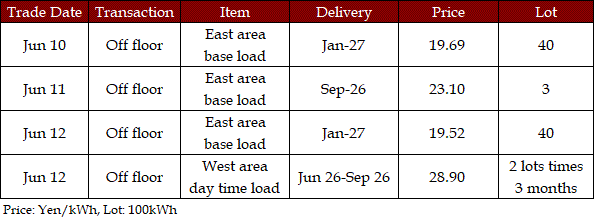
Deals reported on EEX (European Energy Exchange) during Jun 8-12 were as below.
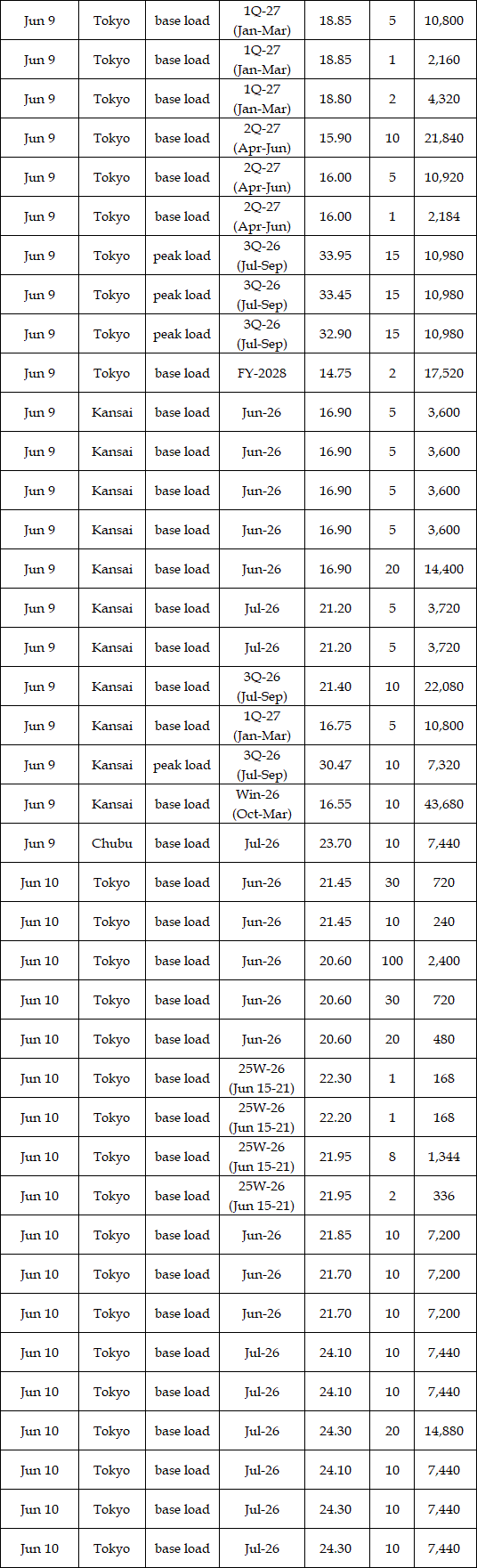
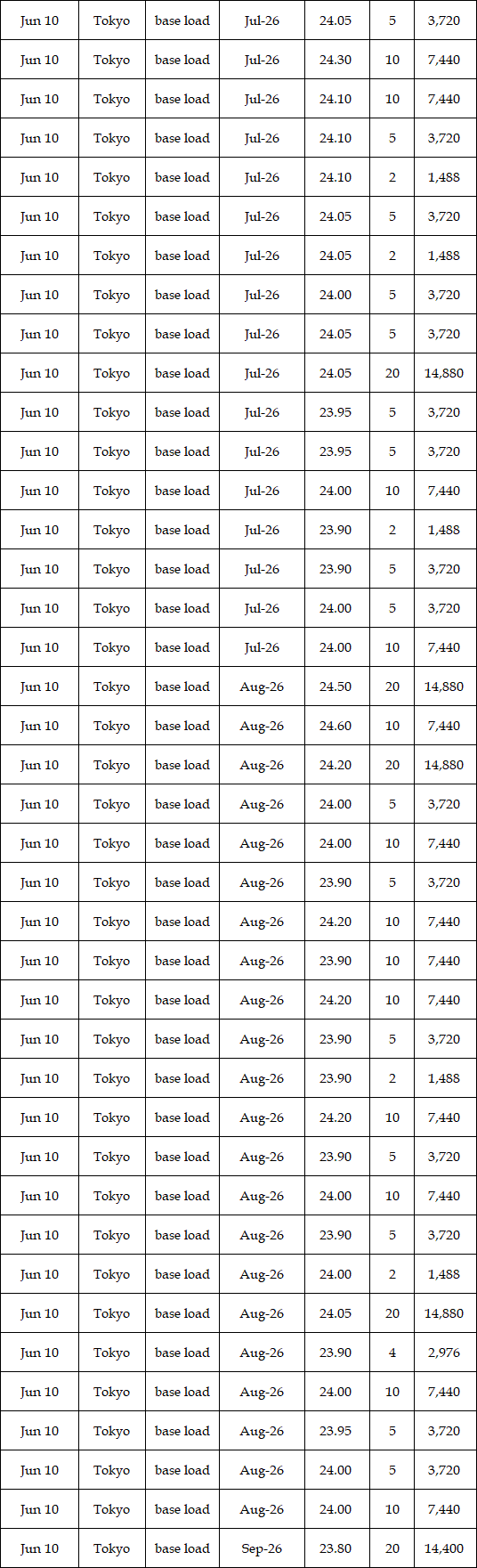
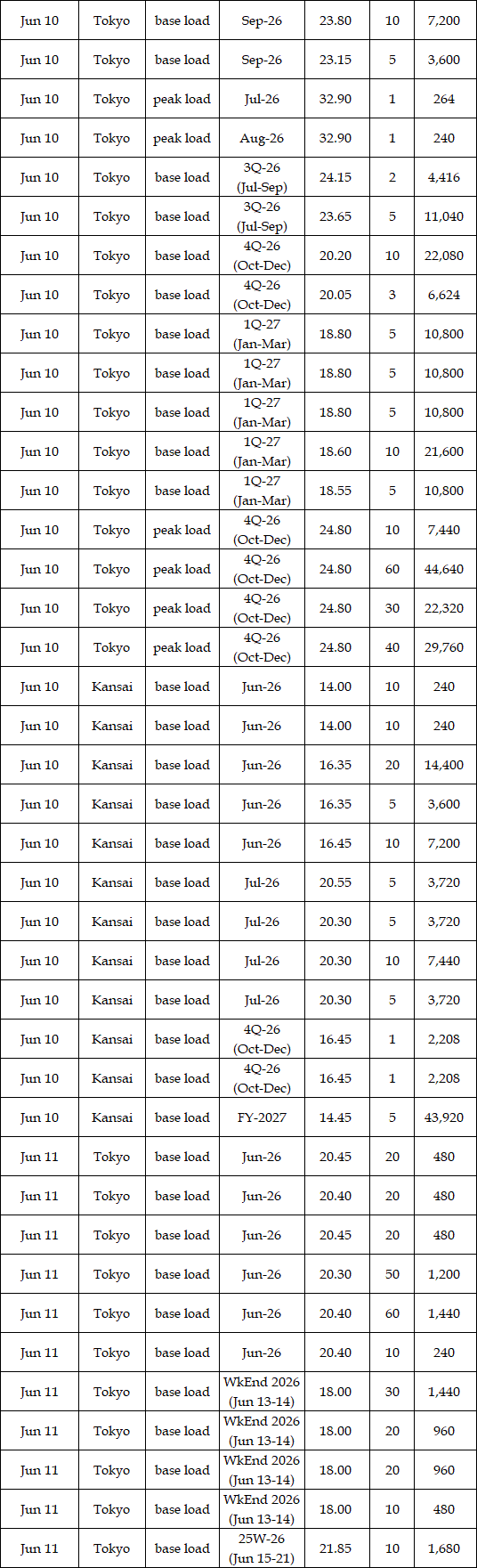
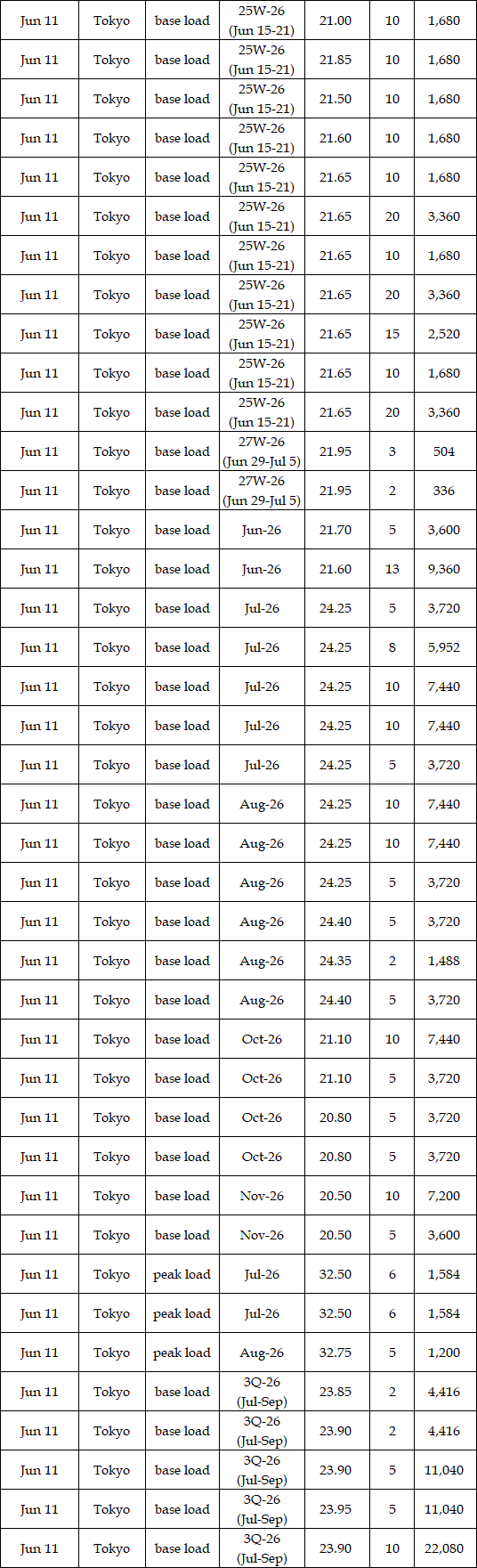
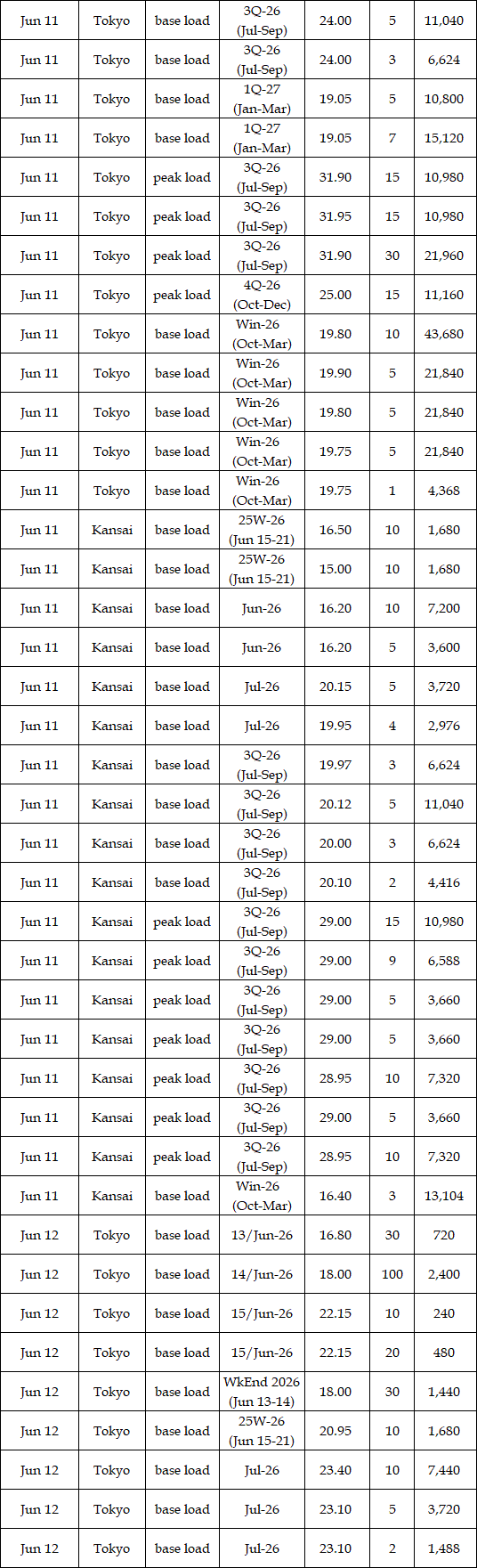
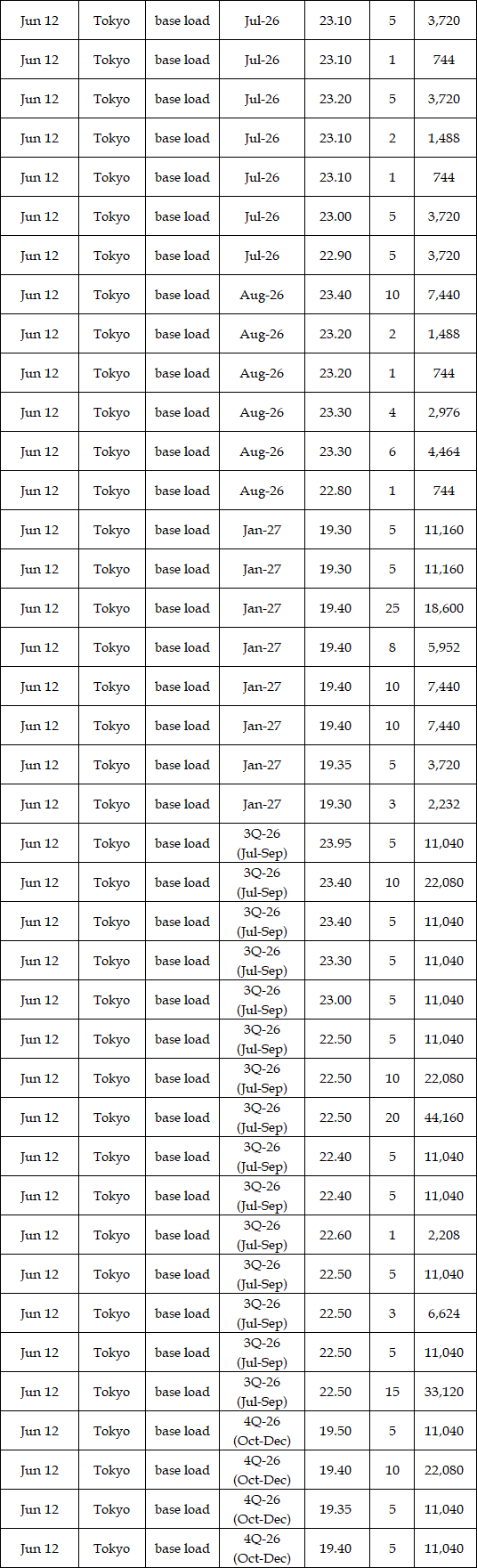
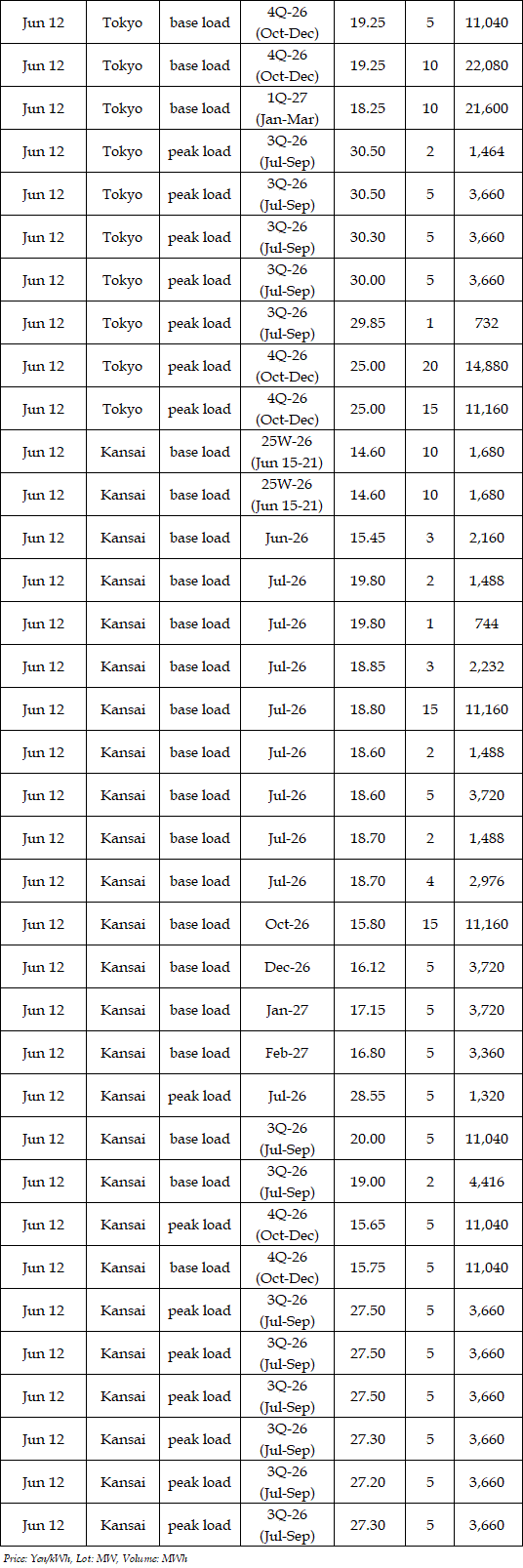
Power spot prices for the third week of June are expected to be around or slightly above the levels of the second week. While comfortable temperatures are forecast nationwide for Jun 15, the start of the week, maximum temperatures from Jun 16 onward are expected to be around 27-30 degrees from southern Tohoku to Kyushu, causing a certain level of air-conditioning demand. Sunny spells are forecast for the beginning of the week, but the weather would gradually deteriorate from Kyushu, with rain expected nationwide in the latter half of the week. Although weather conditions are largely expected to be on par with the second week, air-conditioning demand is believed to start increasing even in general households due to consecutive hot days, and overall demand is likely to show an increasing trend. Consequently, prices are also highly likely to firm up in tandem with this. Regarding price trends for the third week of June, a market trading official at a power producer and supplier indicated the view that "While no significant change is expected from the second week, Tokyo's base prices are seen to be around Yen 21-22, slightly exceeding those of the second week. Kansai's base prices are expected to hover around Yen 15-16, and the East-West spread would likely continue its divergence trend."
|
JEPX: System Price (Day Ahead 24 hours)
|
|
Weekday Price
|
8-Jun
|
9-Jun
|
10-Jun
|
11-Jun
|
12-Jun
|
|
24-Hour Ave
|
16.62
|
18.22
|
14.68
|
13.79
|
13.45
|
|
Volume (MWh)
|
923,215
|
995,325
|
987,657
|
965,245
|
959,767
|
|
(unit: yen per kWh) (date: delivery day)
|
|
|

|
 - Fair & Reliable -
 Post
Post Print
Print


