|
The weekly average of 24-hour average power spot prices for Jun 29-Jul 3 delivery extended losses from the previous week in both East Japan (50Hz) and West Japan (60Hz). With an increase in rainy days and an easing of heat associated with sunlight, relatively comfortable days continued, resulting in sluggish cooling demand. This, coupled with an increasing number of thermal power plant restarts bolstering supply capacity, led to a softening trend in the supply-demand balance. Consequently, ample offers were made to the market, with over 1.7 bil kWh offered throughout the week, including a record high of 1,869.92 mil kWh posted for Jun 29 delivery. Many market participants expected that there would be no excessive price increases until the end of the rainy season.
Observing the spread for the 24-hour average power spot prices between Tokyo and Kansai, which are key areas in East and West Japan, the East-West spread continued to show divergence, with prices in East Japan consistently higher than in West Japan. The spreads were Yen 5.87 on Jun 29, Yen 4.23 on Jun 30, Yen 3.97 on Jul 1, Yen 5.58 on Jul 2, and Yen 4.57 on Jul 3.
Fuel prices during the last week of June and the first week of July were as follows.
DES Northeast Asia LNG spot prices for prompt August 2026 delivery stood at the mid-$16 level per mmBtu as of Jul 2, gaining more than $1 from the previous weekend (Jun 26). The US and Iran re-engaged in hostilities from Jun 26-28, exchanging attacks on each other's military-related facilities. With growing concerns over the fragility of the ceasefire agreement between the two countries, worries spread that the normalization of passage through the Strait of Hormuz would be delayed. Furthermore, a surge in short-covering demand from traders in the Northeast Asian market and increased buying interest from Southeast Asia served as bullish factors for the market. Meanwhile, Japan's LNG inventories for power generation stood at 2.08 mil tons as of Jun 28, decreasing by 30,000 tons from the previous week. This figure fell below both the 2.23 mil tons as of end-June last year and the five-year average for June of 2.12 mil tons.
FOB Newcastle Australia thermal coal prices for July 2026 loading were at the low $129 level per ton as of Jul 2, increasing by around $3 from the previous weekend (Jun 26).
Crude oil prices as of 15:00 JST on Jul 3 saw the NYMEX WTI contract for August 2026 delivery at the low $69 level per barrel and the ICE Brent contract for September 2026 delivery hovering at the mid-$72 level per barrel. Both were almost unchanged from the previous weekend (Jun 26). As mentioned for LNG, early in the week, hostilities between the US and Iran served as a bullish factor for the market. However, as the US and Iran held indirect working-level talks through mediator Qatar on Jul 1 towards a final agreement on ending the conflict, with expectations for the normalization of the Strait of Hormuz, the market softened towards the end of the week.
The week's actual high price was Yen 24.58, posted on Jun 29 in four areas: Hokkaido, Tohoku, Tokyo, and Chubu. Meanwhile, the actual low price was Yen 0.01, posted on Jun 29 in Tohoku, Chugoku, Shikoku, and Kyushu, on Jun 30 in Hokkaido and Tohoku, and on Jul 2-3 in Shikoku.
The weekly average of the 24-hour spot prices by area and the weekly average volume of offers, bids, and trades are shown in the table below.
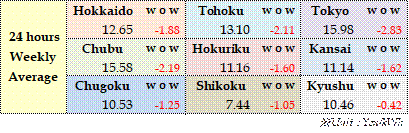

Power demand in nine areas of Japan during Jun 29-Jul 3 was 11,359.53 mil kWh, up 4.9% from 10,832.68 mil kWh during Jun 22-26. The figure was down 14.1% from the corresponding period a year earlier, which was 13,883.09 mil kWh during Jun 30-Jul 3, 2025, after day-of-week adjustment.
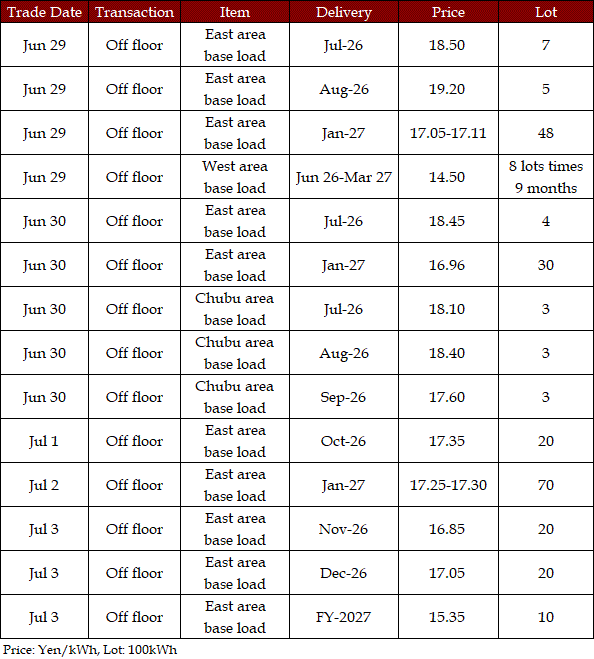
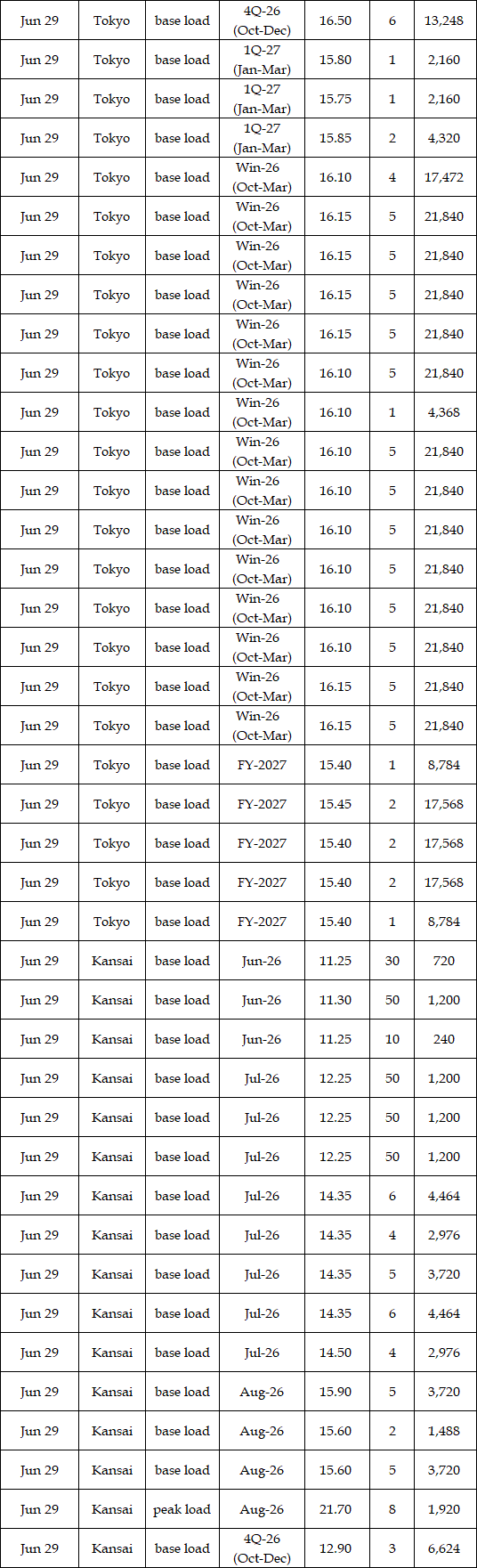
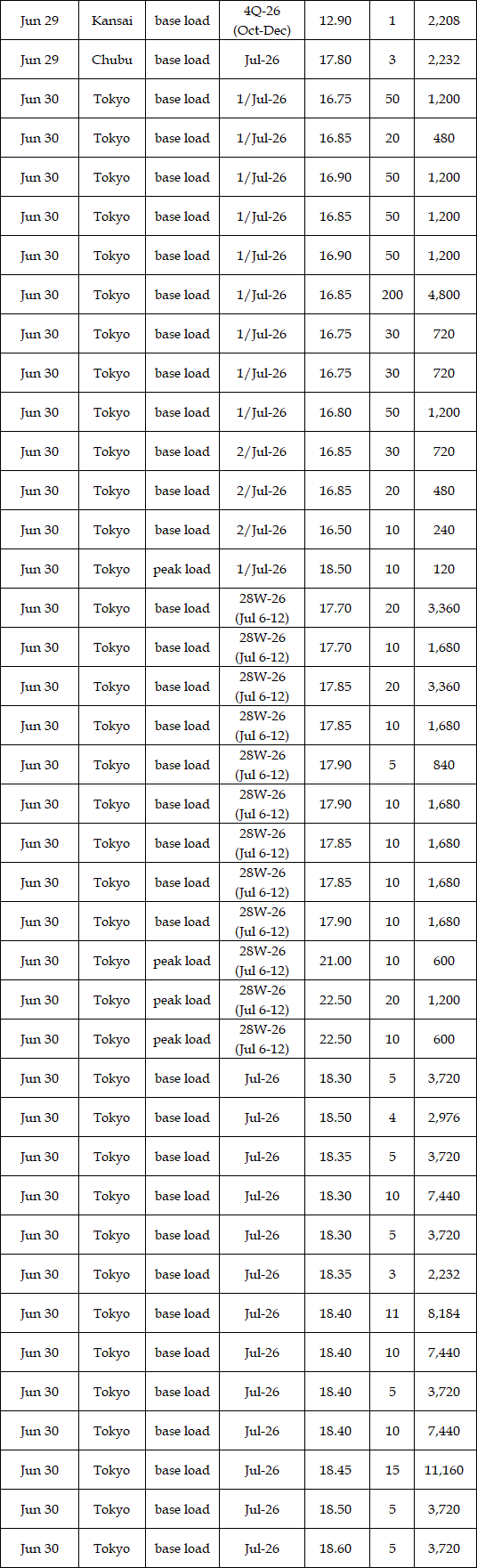
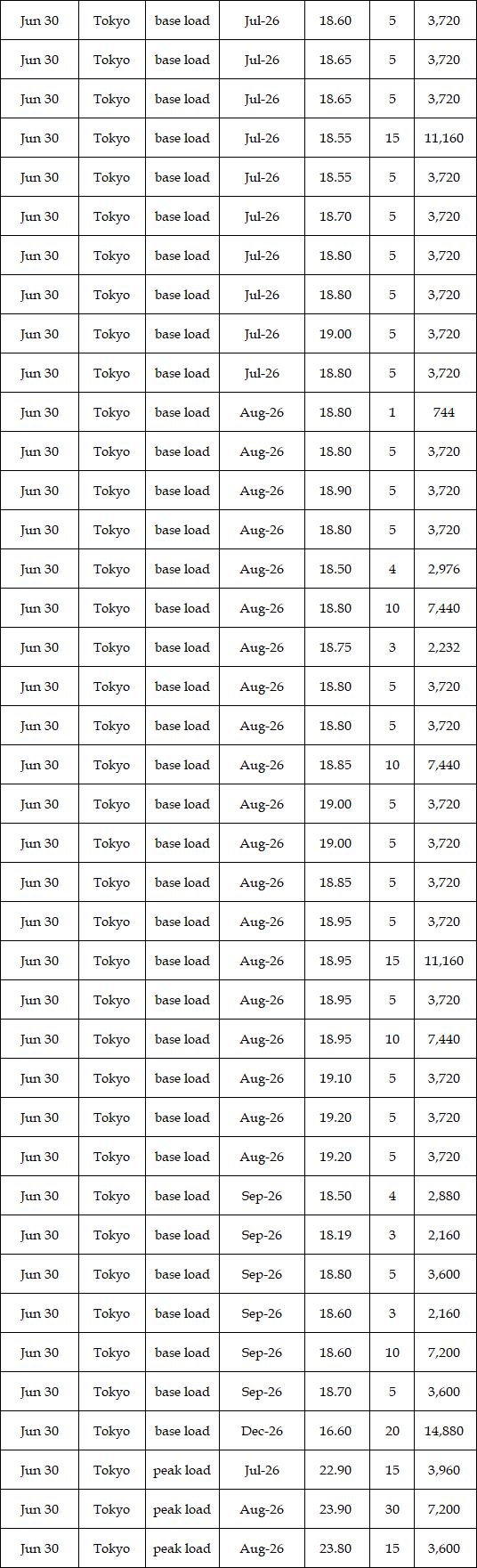
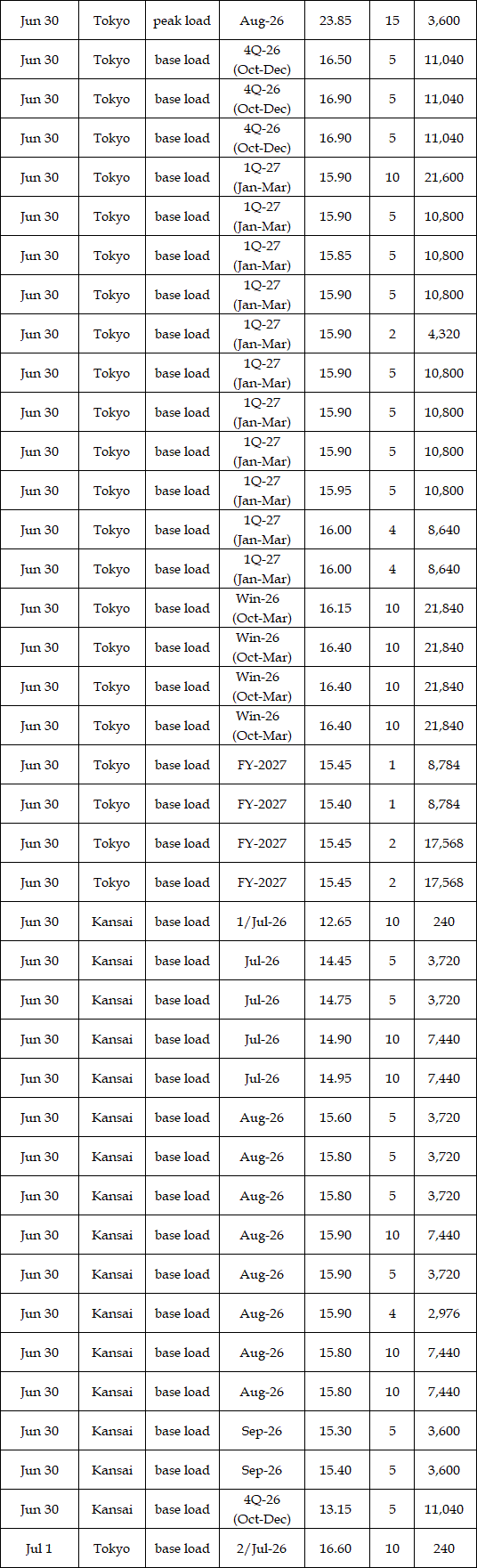
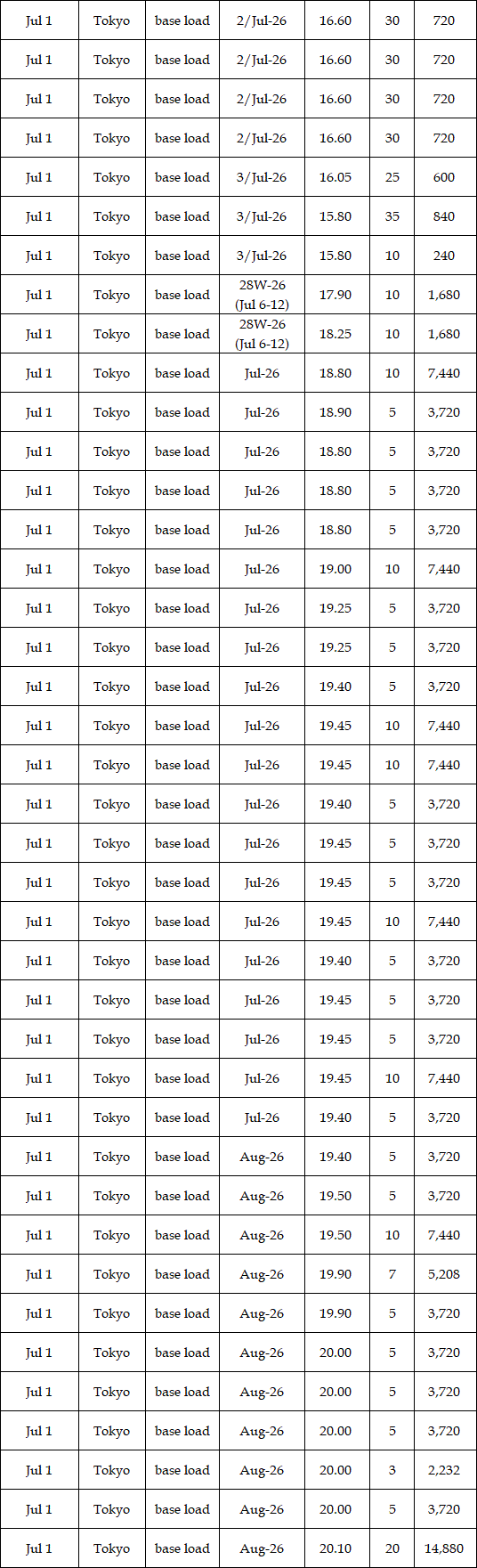
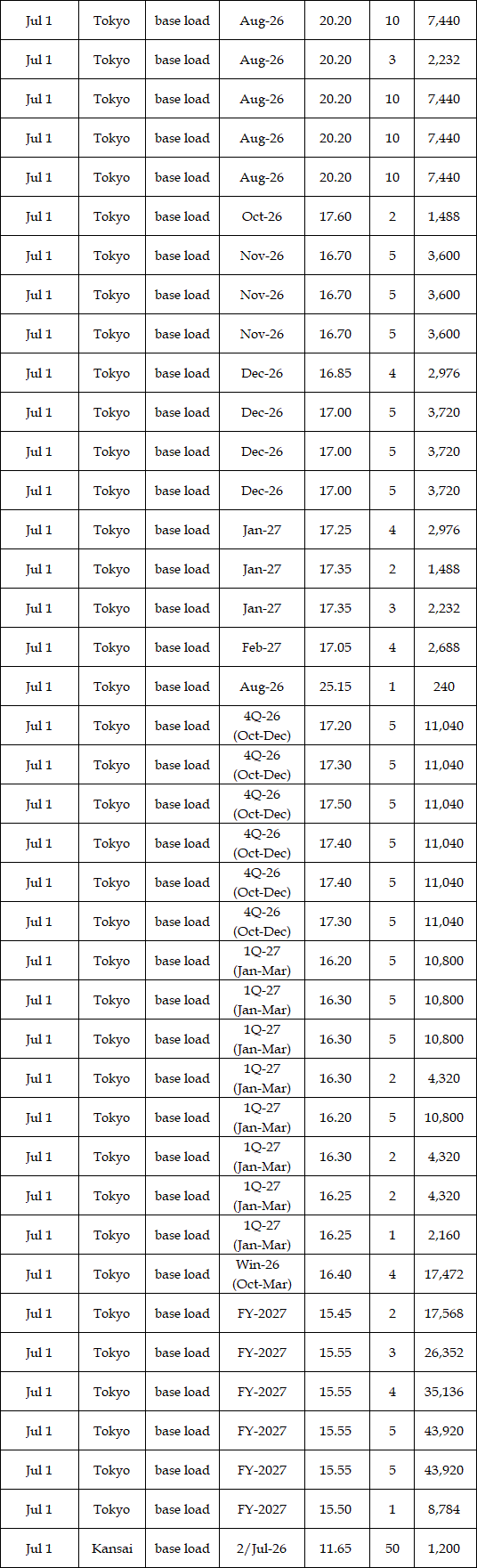
Deals reported on TOCOM (Tokyo Commodity Exchange) during Jun 29-Jul 3 were as below.
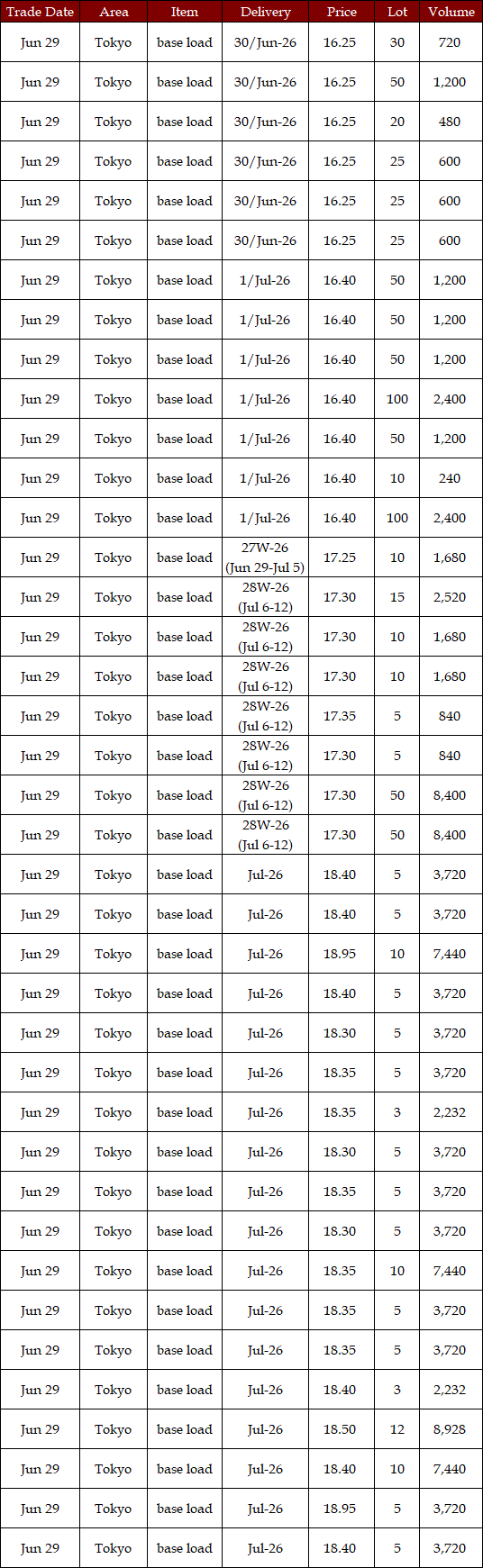
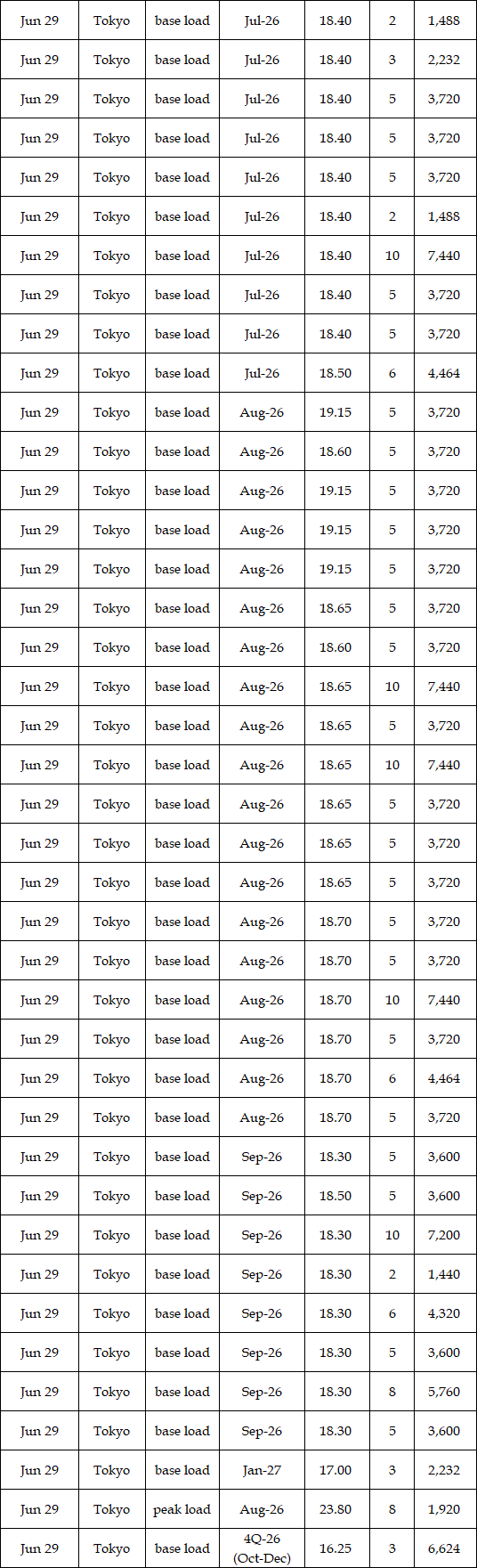
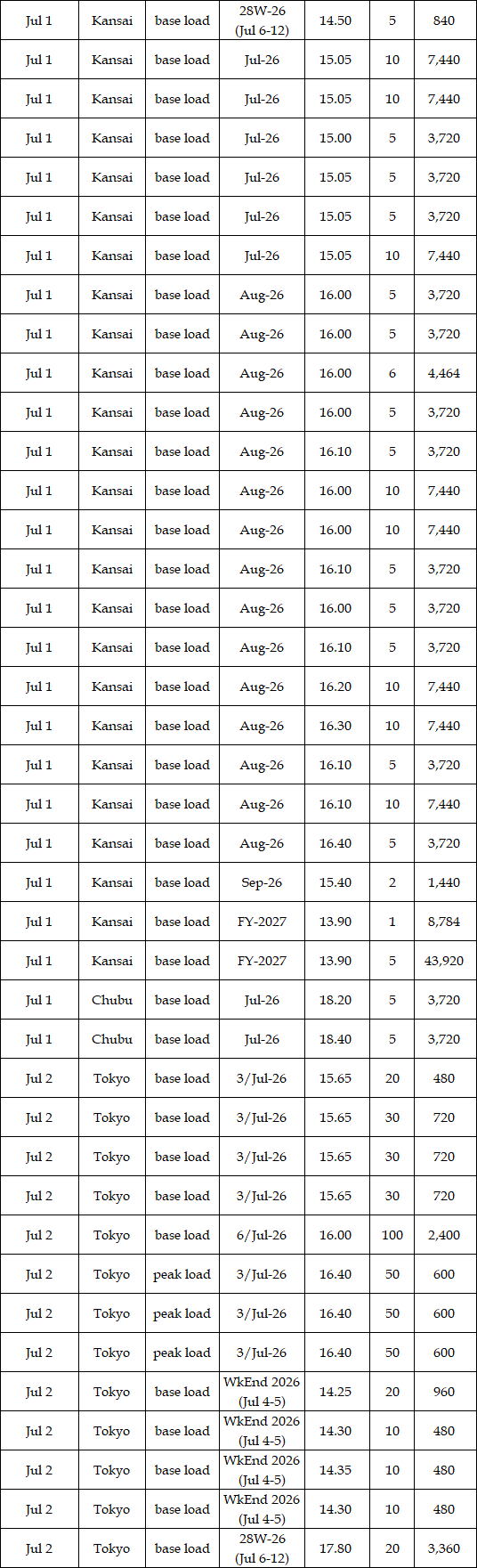
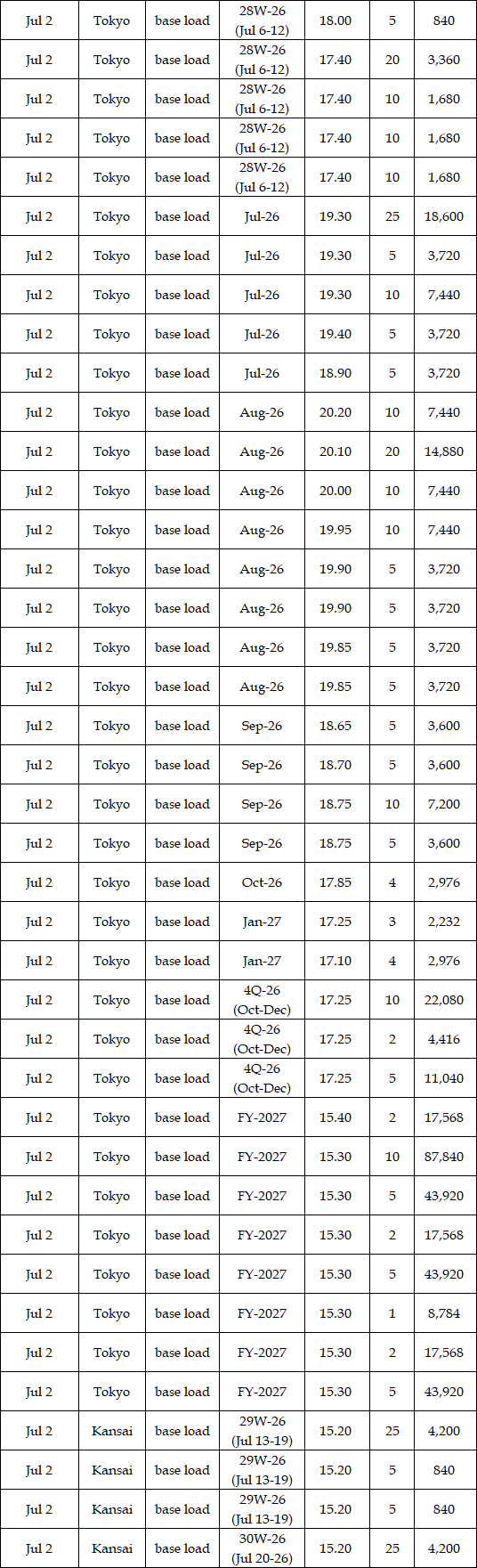
Deals reported on EEX (European Energy Exchange) during Jun 29-Jul 3 were as below.
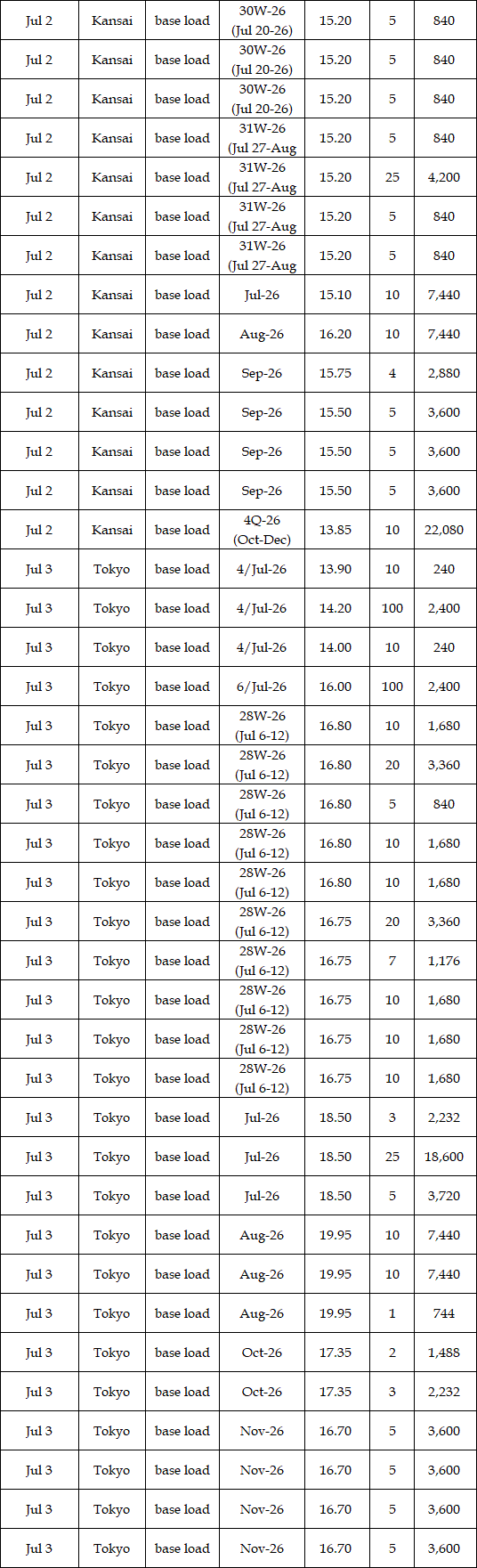
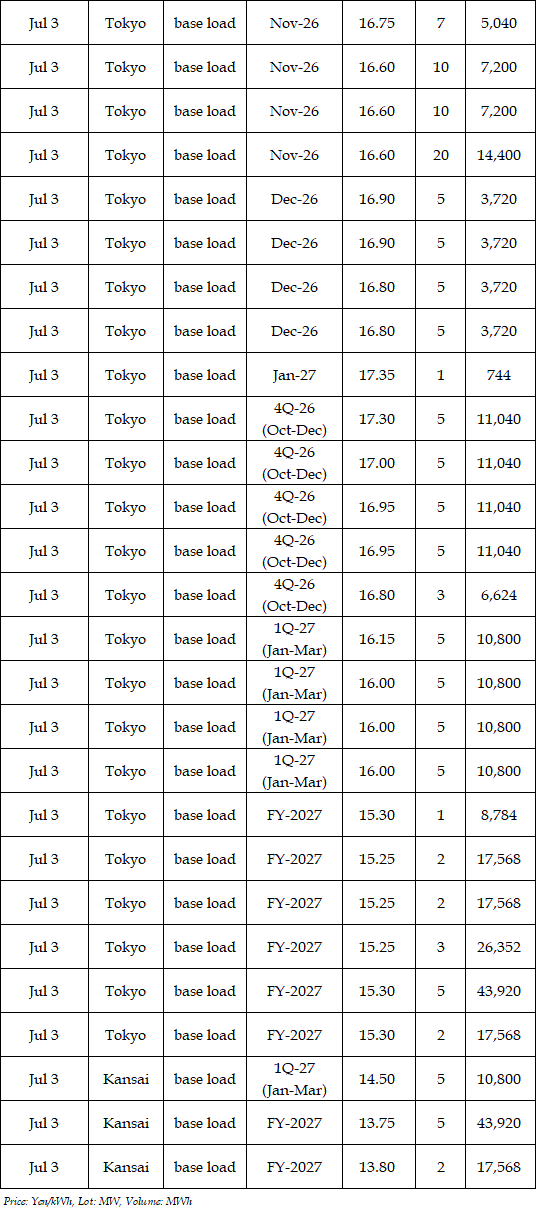
Power spot prices for the second week of July were expected to trade at higher levels than the first week. From Kyushu to Kanto, maximum temperatures were expected to continue above 30 degrees, and especially in West Japan, many areas were also expected to experience scorching heat waves around 35 degrees from mid-week onward. Consequently, air-conditioning demand was expected to rise further in both East and West Japan, which would likely serve as a bullish factor for price movements. However, as more thermal power plants that were out of service for maintenance were expected to return to service, many market participants believed that excessive price hikes would not occur. Also, as mentioned at the beginning, many views also suggested that there would be no significant changes in price movements until the end of the rainy season, and currently, more areas were expected to see the end of the rainy season around the third weekend to fourth week of July. Regarding price movements for the second week of July, a market trading representative at a power producer and supplier (PPS) offered the view that "Tokyo's base prices were expected to continue trading in the Yen 17's to Yen 18's, remaining below Yen 20. However, as the heat was expected to intensify, there was also a possibility of exceeding Yen 20 if unexpected temperature rises or equipment troubles occurred. Kansai's base prices were expected to hover around Yen 15".
|
JEPX: System Price (Day Ahead 24 hours)
|
|
Weekday Price
|
29-Jun
|
30-Jun
|
1-Jul
|
2-Jul
|
3-Jul
|
|
24-Hour Ave
|
11.37
|
12.73
|
14.02
|
14.14
|
12.09
|
|
Volume (MWh)
|
966,721
|
995,828
|
1,055,312
|
1,045,494
|
1,009,462
|
|
(unit: yen per kWh) (date: delivery day)
|
|
|

|
 - Fair & Reliable -
 Post
Post Print
Print


