|
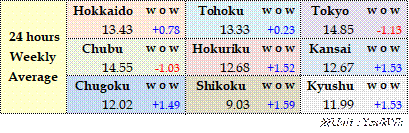
The weekly average of power spot 24-hour average for Jul 6-10 delivery saw East Japan extend losses from the previous week, while West Japan rebounded. In East Japan, due to many cloudy days and relatively mild temperatures, ample offers were placed, and prices slumped further. Meanwhile, in West Japan, the end of the rainy season was announced on Jul 8 in the three areas of Northern Kyushu, Chugoku, and Kinki(Kansai). In West Japan, many areas saw temperatures exceeding 30 degrees after Jul 6; on Jul 7, temperatures in Fukuoka exceeded 35 degrees, and on Jul 8, various parts of Kyushu saw 35-36 degrees, with temperatures in Fukuoka approaching 38 degrees on Jul 10. Reflecting the scorching heat, prices were also underpinned; however, with stable supply capacity, there were no excessive price hikes, and price levels remained significantly lower than those in East Japan.
Looking at the East-West spread of power spot 24-hour average between Tokyo and Kansai, which are major East-West areas, the East-West spread was at Yen 3.78 on Jul 6, Yen 0.80 on Jul 7, Yen 2.45 on Jul 8, Yen 2.93 on Jul 9, and Yen 0.90 on Jul 10, all in favor of the East, and significantly narrowed compared to the previous week.
Fuel prices during the last week of June and the second week of July were as follows.
DES Northeast Asia LNG spot for the prompt month of August 2026 delivery stood at the high $18 level per mmBtu as of Jul 9, increasing by around $1.2 from the end of last week (Jul 3). The market was underpinned as the US and Iran resumed hostilities and concerns over safe passage through the Strait of Hormuz mounted. In addition, demand for short-covering from traders and buying interest from end-users in Northeast Asia also served as bullish factors. Japan's LNG inventory for power generation totaled 2.33 million tons as of Jul 8, a significant increase of 0.33 million tons from the previous week. According to market participants, "the delay in receiving LNG vessels due to a typhoon during the previous tally might have been reflected in the current tally." This exceeded both 2.23 million tons as of the end of June last year and the five-year average of 2.12 million tons.
FOB Newcastle Australia thermal coal prices for July 2026 loading fell below the $130 level per ton as of Jul 9, increasing by over $1 from the end of last week (Jun 26). Although it moved in tandem with the rise in crude oil and gas prices, the upside was capped.
Crude oil prices, as of 14:00 JST on Jul 10, saw the NYMEX WTI contract for August 2026 delivery hovering at the mid-$72 level per barrel and the ICE Brent contract for September 2026 delivery hovering at the mid-$76 level. Both increased by around $4 from the end of last week (Jul 3). As mentioned for LNG, the deteriorating situation in the Middle East served as a bullish factor. In the early hours of Jul 7, following the attack by Iran on a total of three vessels, including crude oil tankers, navigating off the coast of Oman in the Strait of Hormuz, the US Treasury Department announced on Jul 7 that it would withdraw sanctions relief measures on Iranian crude oil and petroleum products. Furthermore, on Jul 8, US President Trump stated that he believed the ceasefire agreement with Iran "was over" and indicated his intention to attack Iran again. In response, Iran warned that it would block the Strait of Hormuz if it faced new attacks. Concerns grew that crude oil shipments through the strait would be halted again.
The highest spot price throughout the week fetched Yen 22.35 at the System price on Dec 10. Meanwhile, the lowest spot price fetched Yen 0.01 in Shikoku on Dec 8.
The weekly average of the 24-hour spot prices by area and the weekly average volume of offers, bids, and trades are shown in the table below. The transaction volume on Jul 10 reached 1,145. 03 mil kWh, renewing a historical high.

Power demand in nine areas of Japan during Jul 6-10 was 12,056.91 mil kWh, up 6.1% from 11,359.53 mil kWh during Jun 29-Jul 3. The figure was down 15.2% from the corresponding period a year earlier, which was 14,221.74 mil kWh during Jul 7-11, 2025, after day-of-week adjustment.
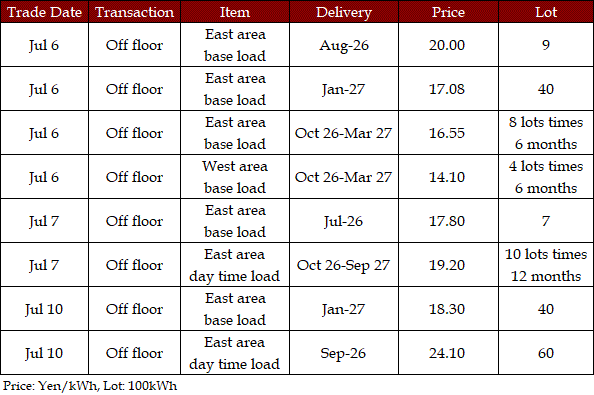
Deals reported on TOCOM (Tokyo Commodity Exchange) during Jul 6-10 were as below.
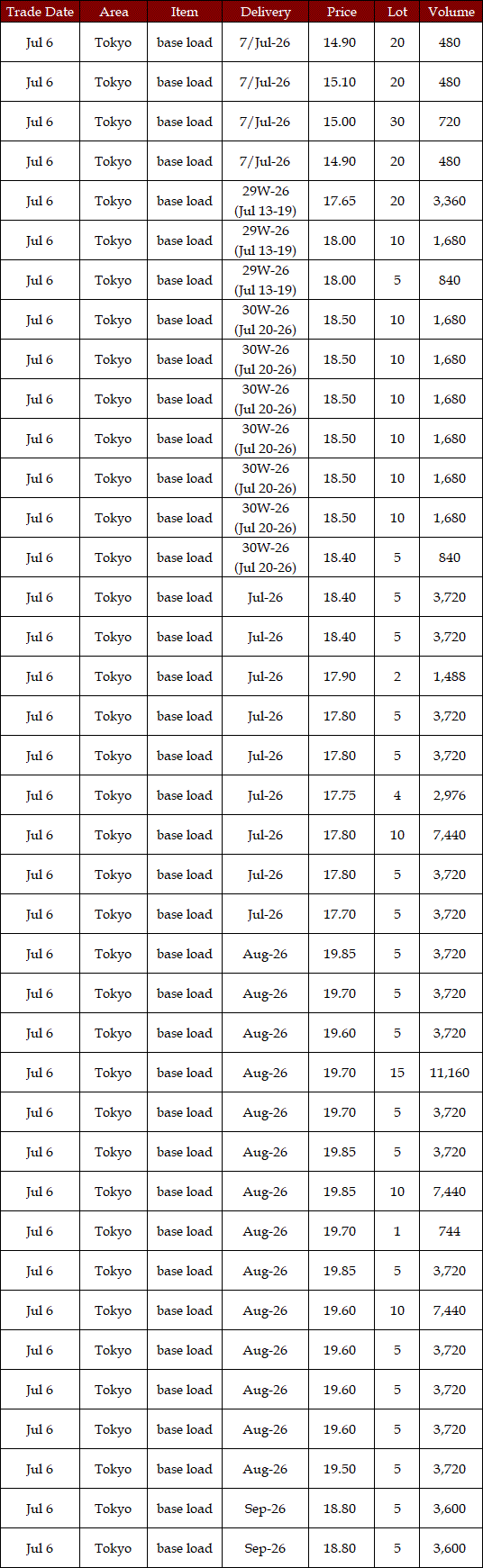
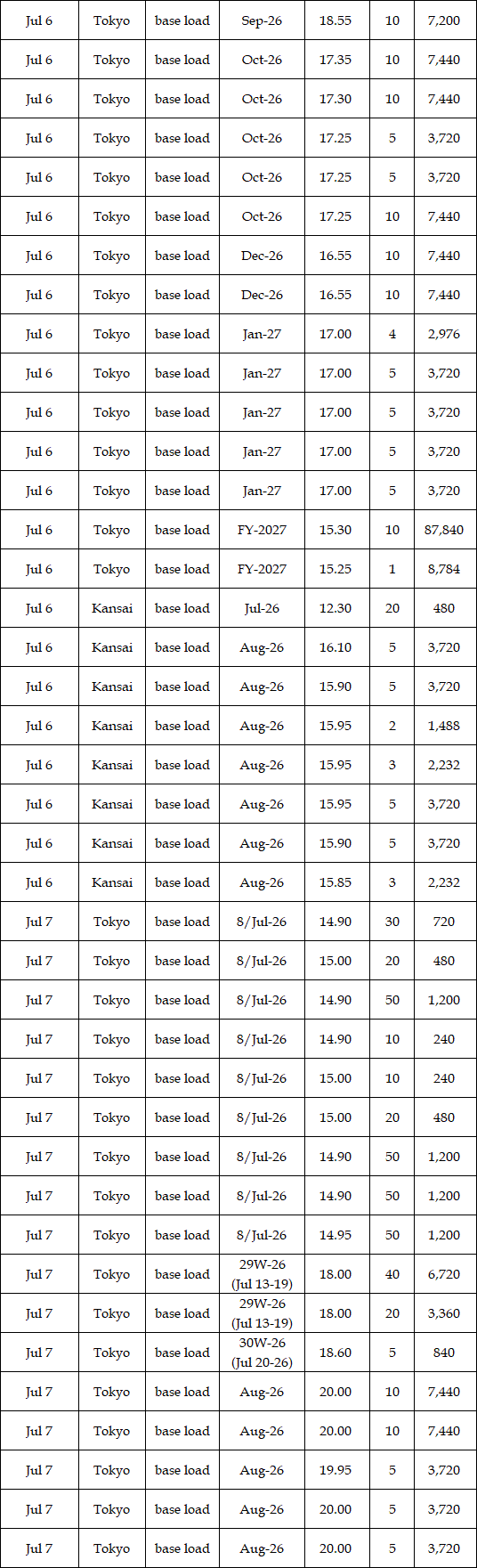
Deals reported on EEX (European Energy Exchange) during Jul 6-10 were as below.
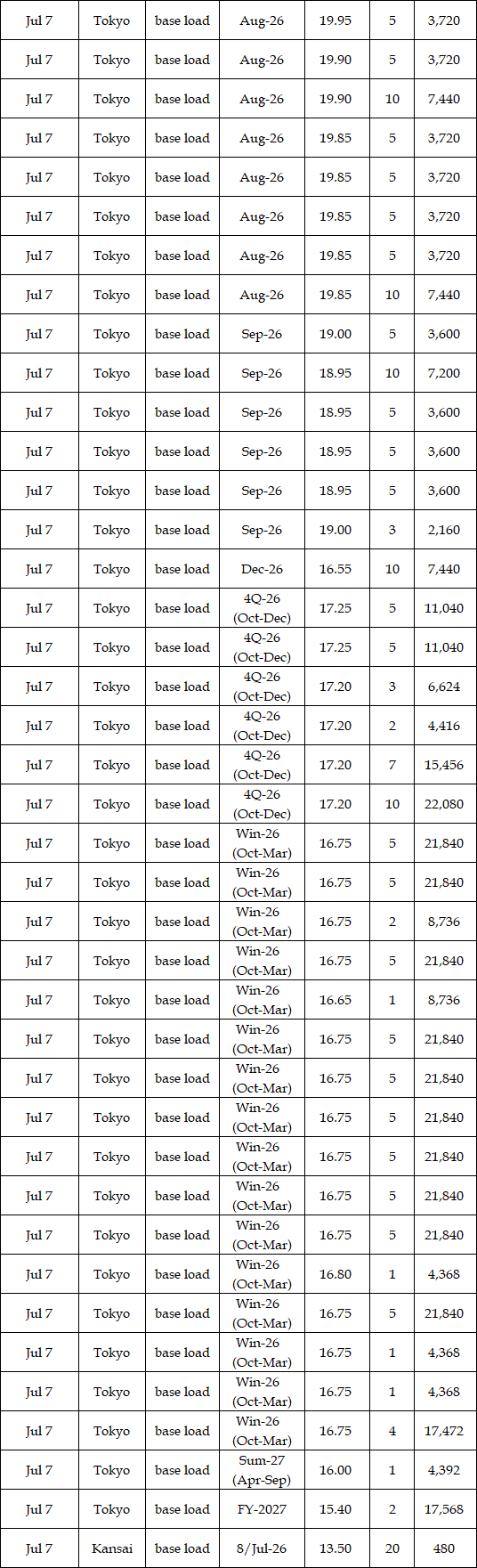
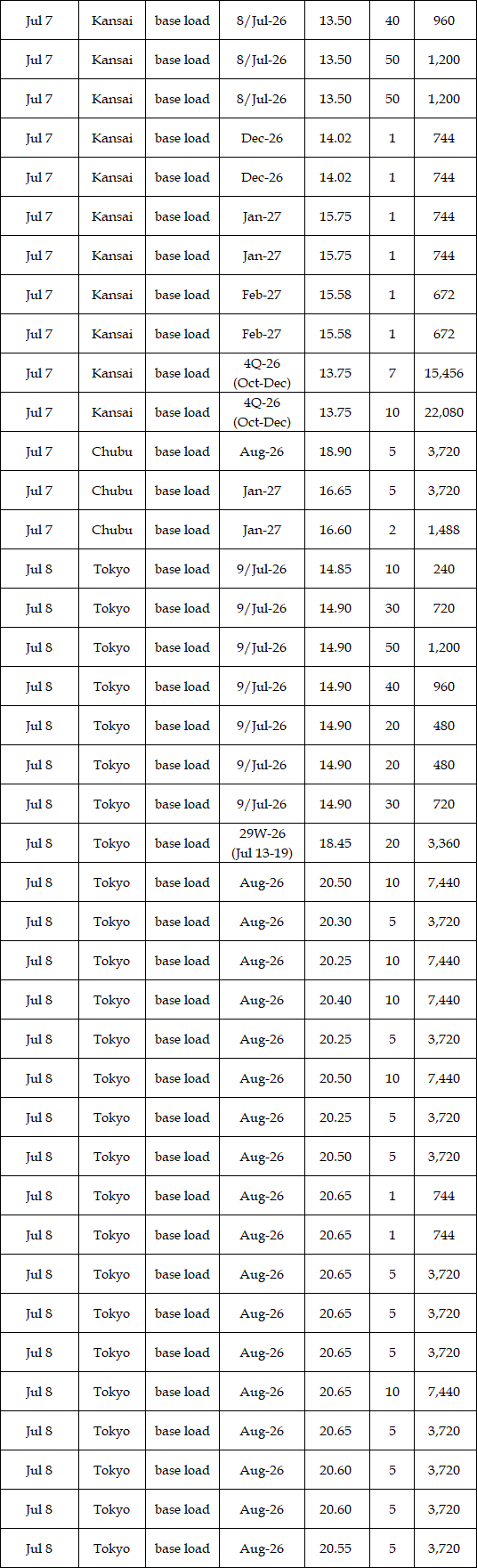
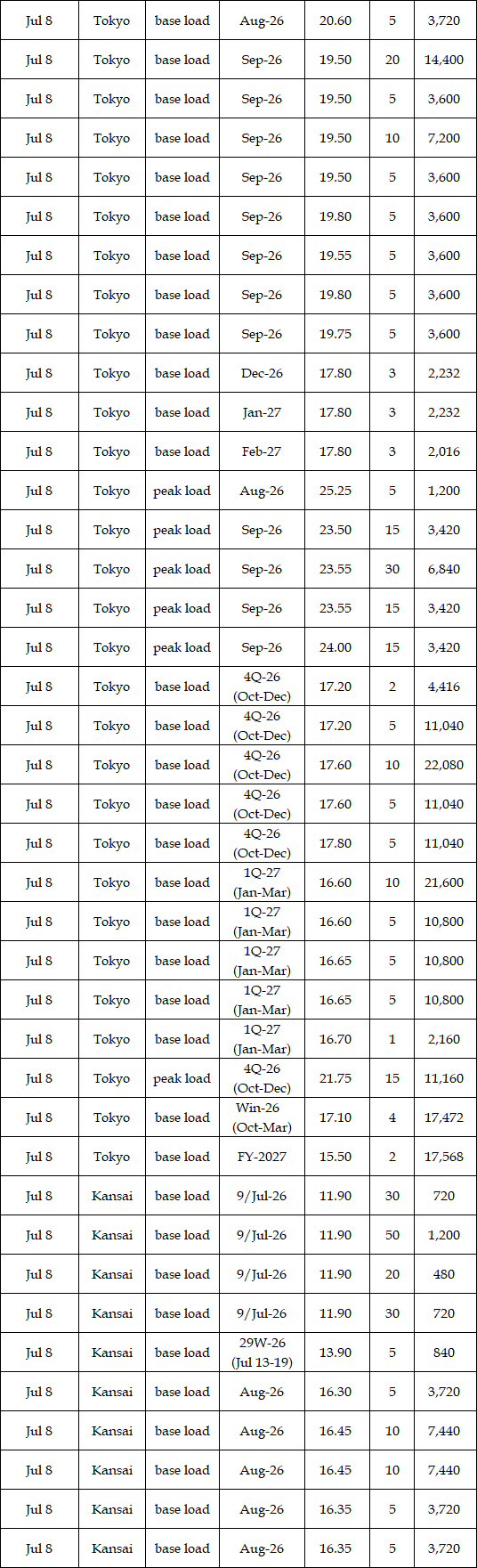
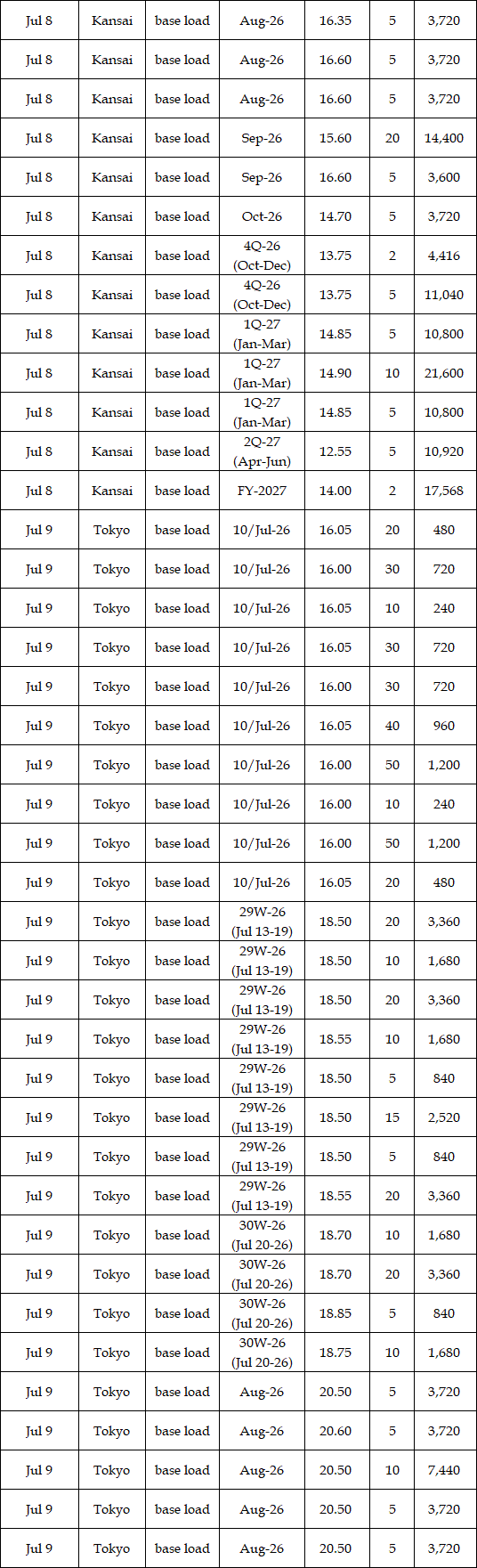
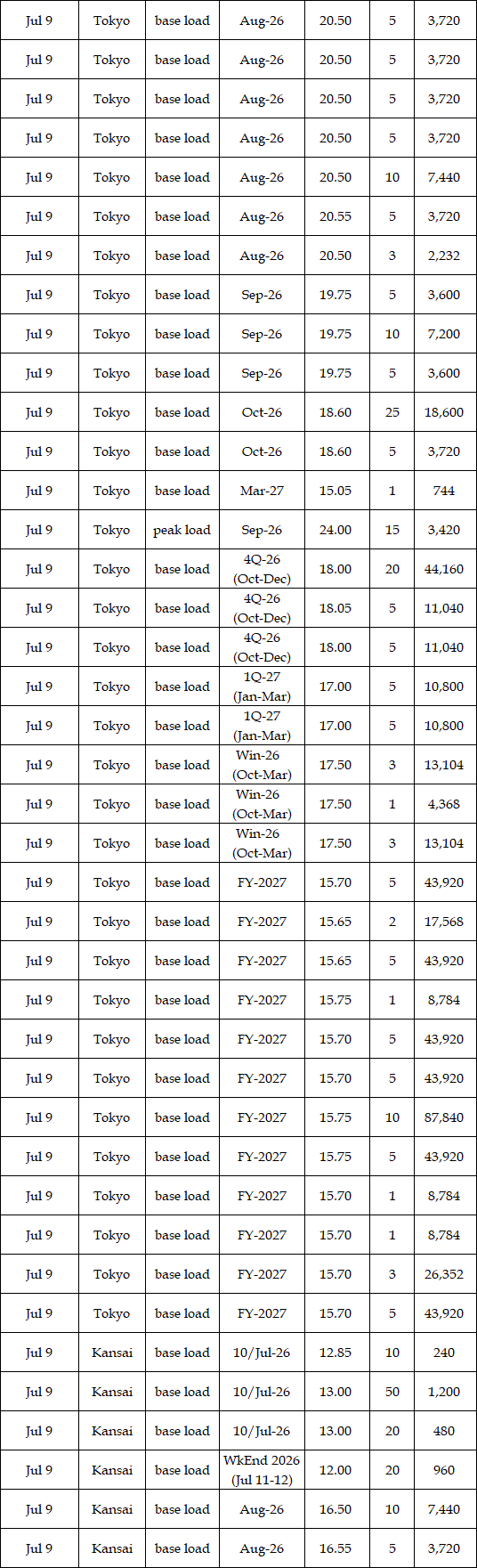
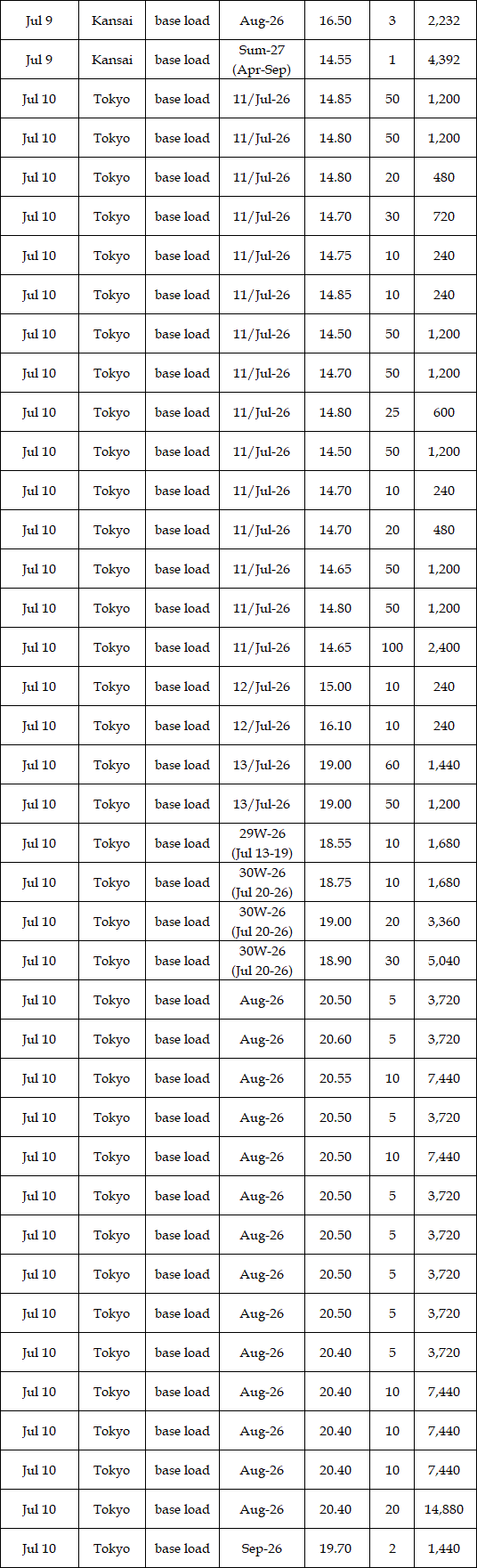
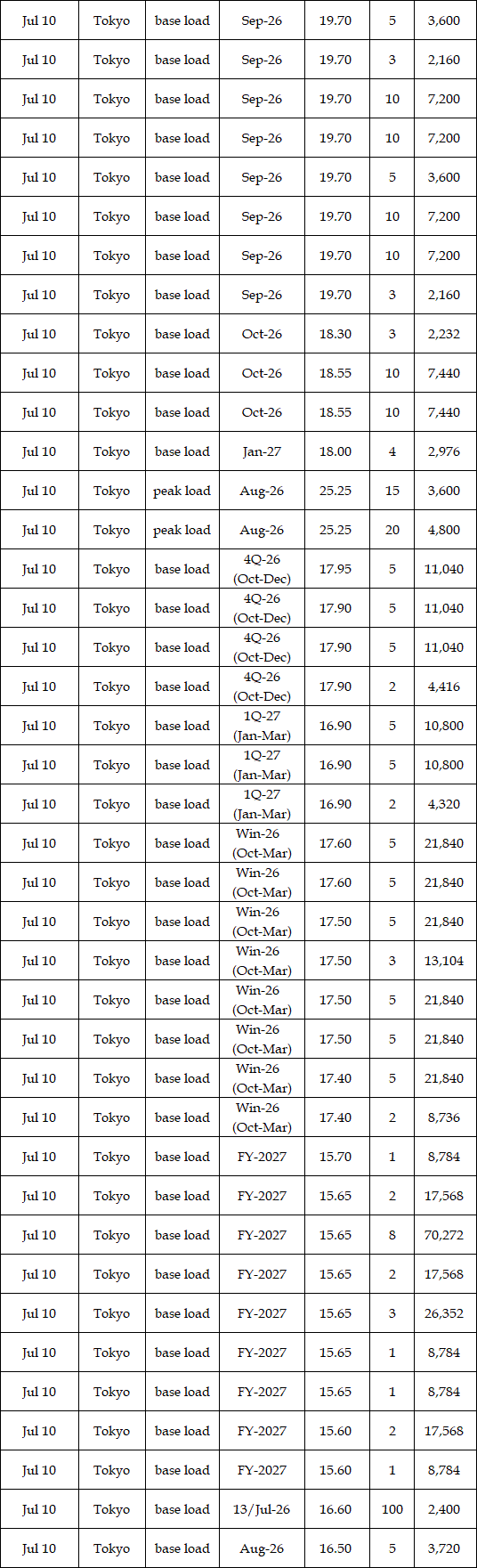
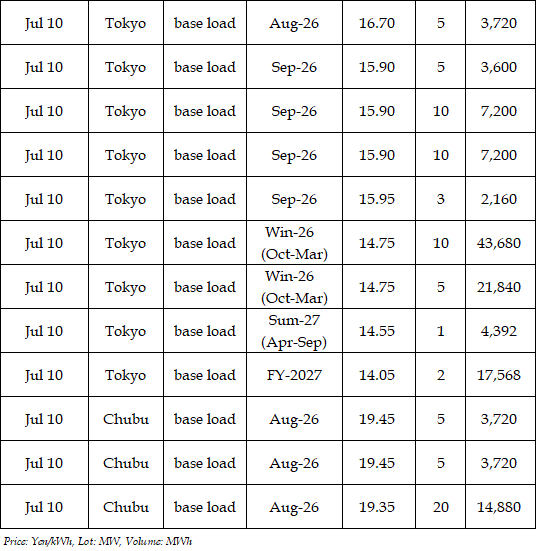
The power spot for the third week of Jul was expected to trade at levels above the second week. Severe heat was forecasted nationwide, with many areas in Kanto and westward expected to exceed 35 degrees after Jul 14. Consequently, robust air-conditioning demand was expected, and prices were likely to see stronger underpinning. However, a market source at a power producer and supplier(PPS) commented that there would be no excessive price hikes due to ample supply capacity. Regarding price trends for the third week of Jul, a manager from a market trading department at another PPS offered the view by saying, "Tokyo's base price was expected to range from Yen 18's to Yen 19's. Although the heat would intensify, prices would likely not reach Yen 20 unless there were facility issues. Kansai's base price was expected to trade around Yen 14-15."
|
JEPX: System Price (Day Ahead 24 hours)
|
|
Weekday Price
|
6-Jul
|
7-Jul
|
8-Jul
|
9-Jul
|
10-Jul
|
|
24-Hour Ave
|
13.48
|
12.65
|
12.25
|
13.07
|
14.52
|
|
Volume (MWh)
|
901,466
|
1,081,743
|
1,081,122
|
1,128,933
|
1,145,033
|
|
(unit: yen per kWh) (date: delivery day)
|
|
|

|
 - Fair & Reliable -
 Post
Post Print
Print


