|
For Jul 13-17 delivery, the weekly average of 24-hour spot prices rallied sharply in both East Japan (50Hz) and West Japan (60Hz) from the previous week. Scorching heat of mid-summer set in, with dangerously hot weather approaching 40 degrees in Kyushu and other areas of West Japan, and many areas in Kanto approaching 35 degrees, which further strengthened air-conditioning demand. On the back of these weather conditions, market procurement intensified in the spot market, with both bids and transacted volumes marking record highs. However, no price spikes exceeding Yen 50 occurred, and market participants were heard saying, "Excessive price increases are being curbed because supply capacity has remained stable." (a supply/demand manager at a power producer and supplier=PPS).
Looking at the spread of 24-hour average spot prices between Tokyo and Kansai, key East-West areas, it was Yen 0.79 on Jul 13, Yen 1.12 on Jul 14, Yen 0.85 on Jul 15, Yen 1.82 on Jul 16, and Yen 1.90 on Jul 17, all in favor of the East.
The following summarizes fuel market trends in the third week of July.
DES Northeast Asia LNG spot quotations for prompt month August 2026 delivery were at the high $19 level per mmBtu as of Jul 16, increasing by around $1.3 from last Friday (Jul 10). Ongoing clashes between the US and Iran further intensified concerns over the supply of Middle Eastern energy, and buying interests observed in China and Taiwan served as bullish factors for the market. Japan's LNG inventory for power generation was 2.42 mil tons as of Jul 12, an increase of 80,000 tons from the previous week. This significantly surpassed both the 1.76 mil tons as of end-July last year and the five-year average of 2.04 mil tons. It appeared that the inventory buildup further advanced due to temperatures remaining at the lower end of expectations in early July.
FOB Newcastle Australia thermal coal prices for July 2026 loading were at the high $129 level per ton as of Jul 16, increasing by more than $1 from last Friday (Jul 10). However, the increase was limited compared with the rises in crude oil and gas prices.
Crude oil prices for the NYMEX WTI August 2026 contract were around $79 per barrel, and ICE Brent September 2026 contract hovered at the low $84 level as of 15:00 JST on Jul 17. Both increased by around $8 from last Friday (Jul 3). As mentioned for LNG, developments between the US and Iran continued to serve as a bullish factor.
The highest effective price throughout the week was Yen 38.70, observed in three East Japan areas on the Jul 14. Meanwhile, the lowest effective price was Yen 0.01, observed in Shikoku on the Jul 14.
The weekly average of the 24-hour spot prices by area and the weekly average volume of offers, bids, and trades are shown in the table below. The bid volume and transaction volume renewed their historical highs repeatedly: for delivery on Jul 16, the bids reached 1,757.25 mil kWh and the transaction 1,414. 15 mil kWh, respectively.
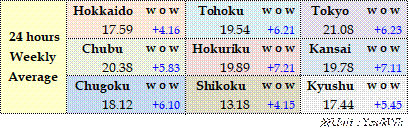

Power demand in nine areas of Japan during Jul 13-17 was 14,145.39 mil kWh, up 17.3% from 12,056.91 mil kWh during Jun 6-10. The figure was up 3.9% from the corresponding period a year earlier, which was 13,238.50 mil kWh during Jul 14-18, 2025, after day-of-week adjustment.
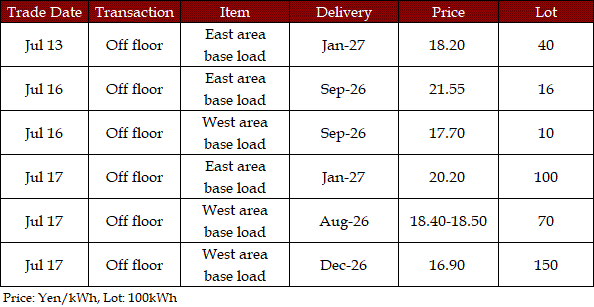
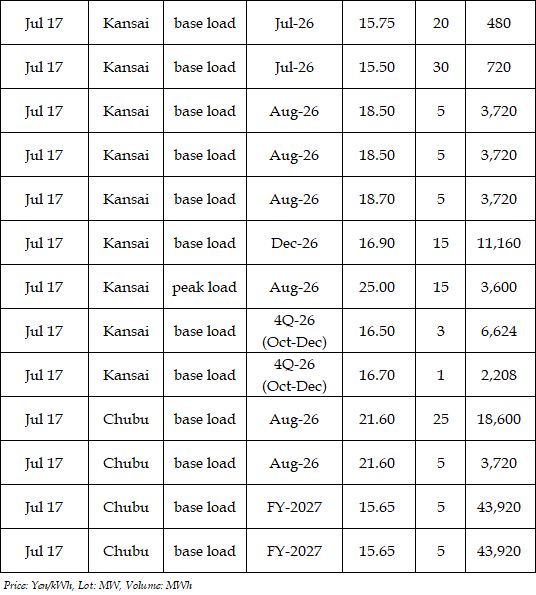
Deals reported on TOCOM (Tokyo Commodity Exchange) during Jul 13-17 were as below.
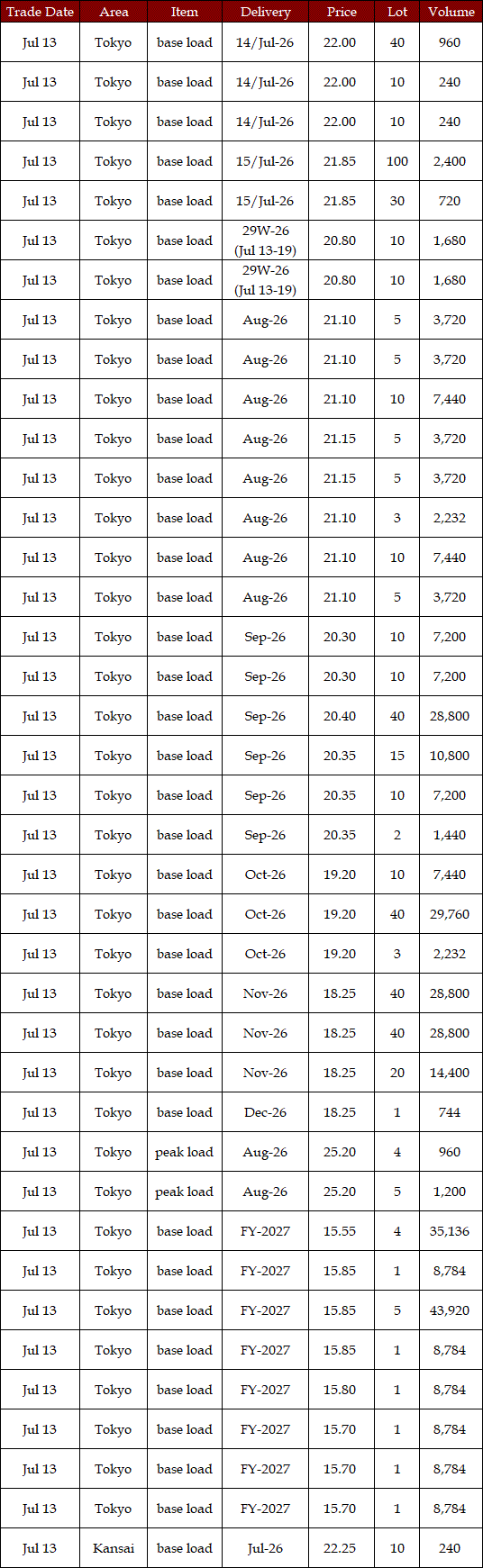
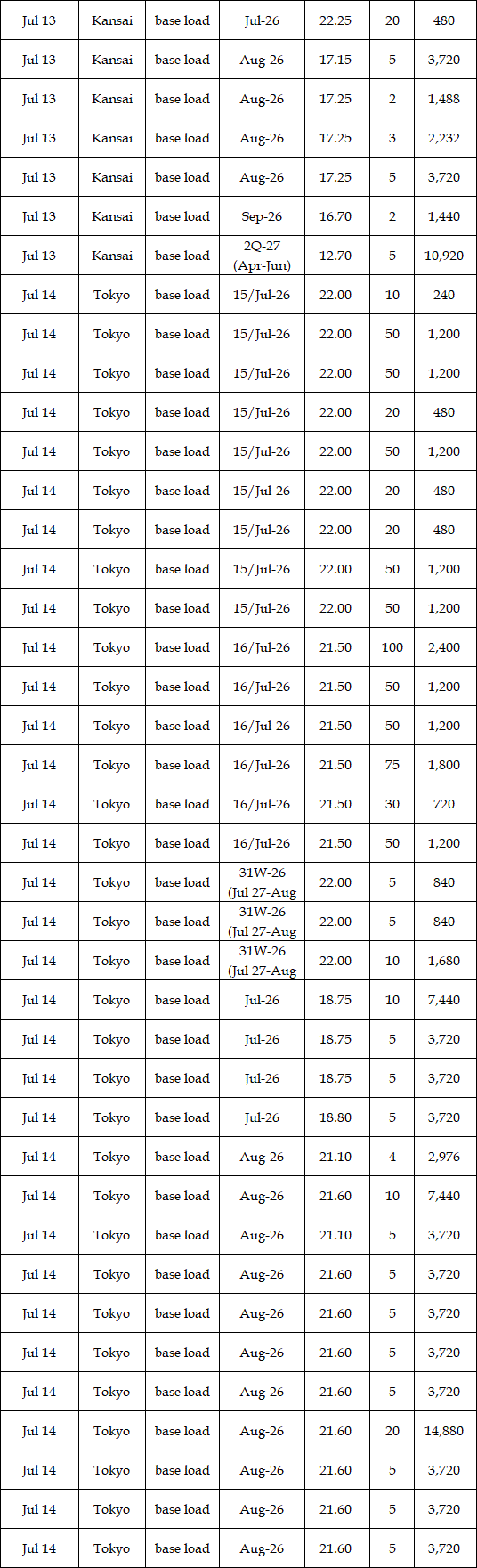
Deals reported on EEX (European Energy Exchange) during Jul 13-17 were as below.
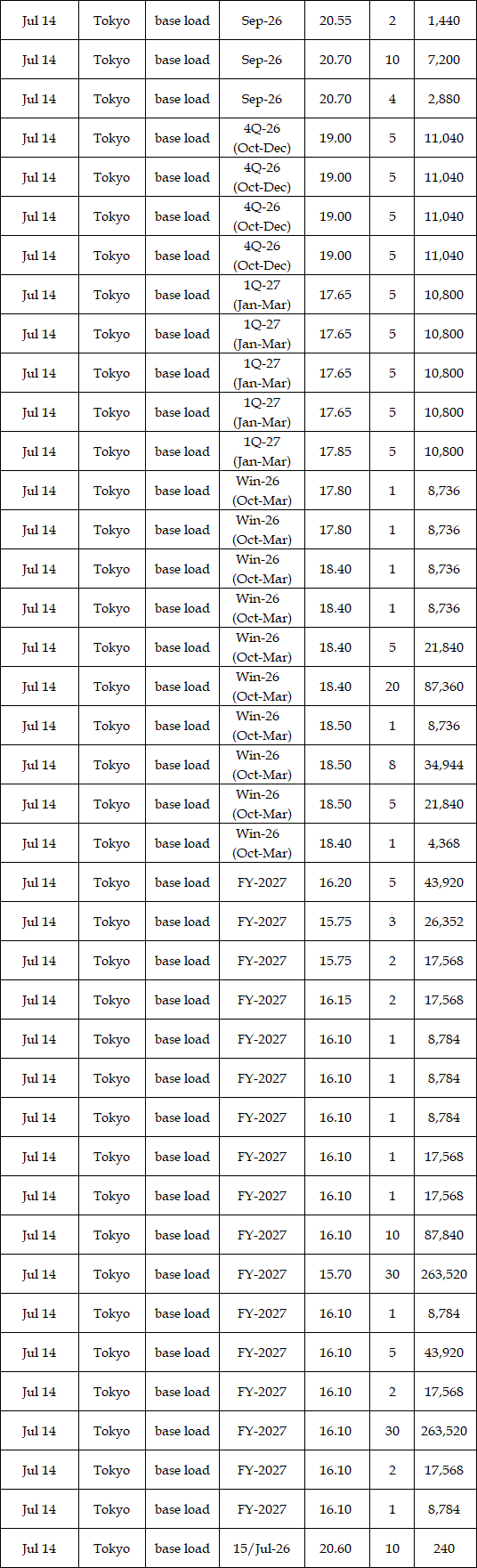
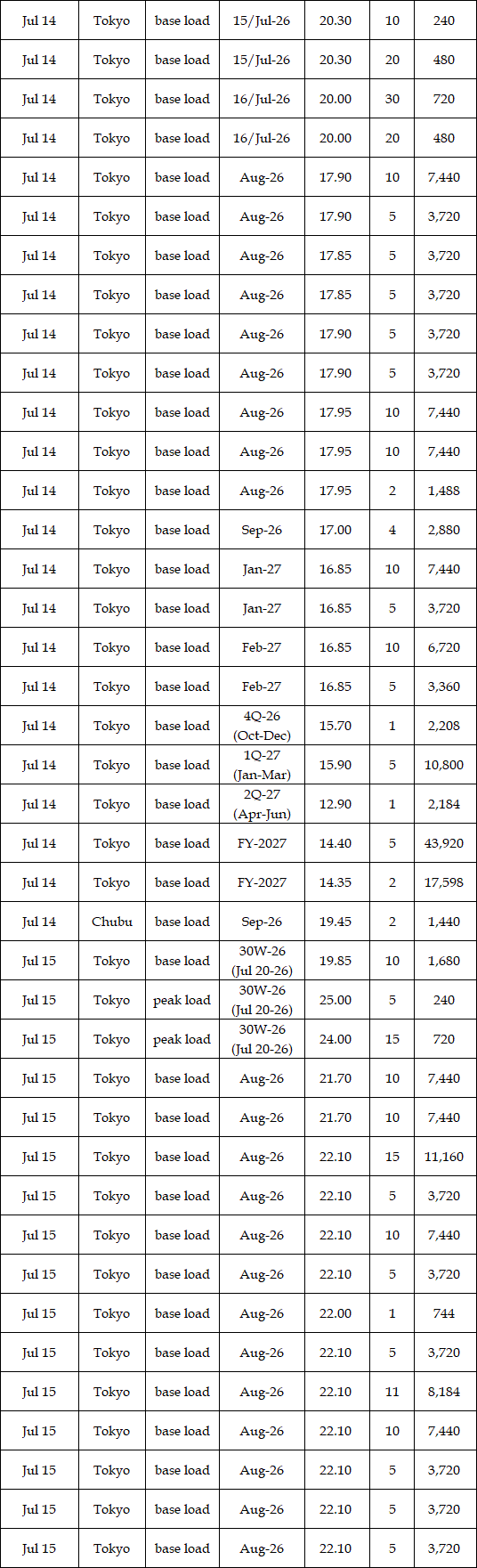
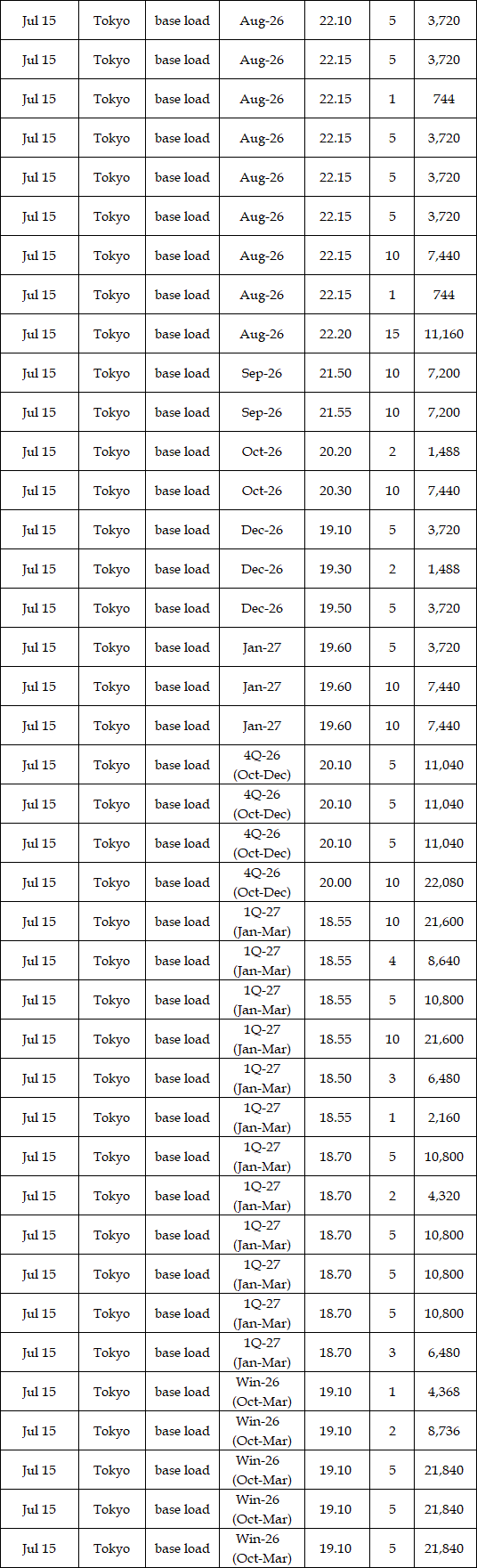
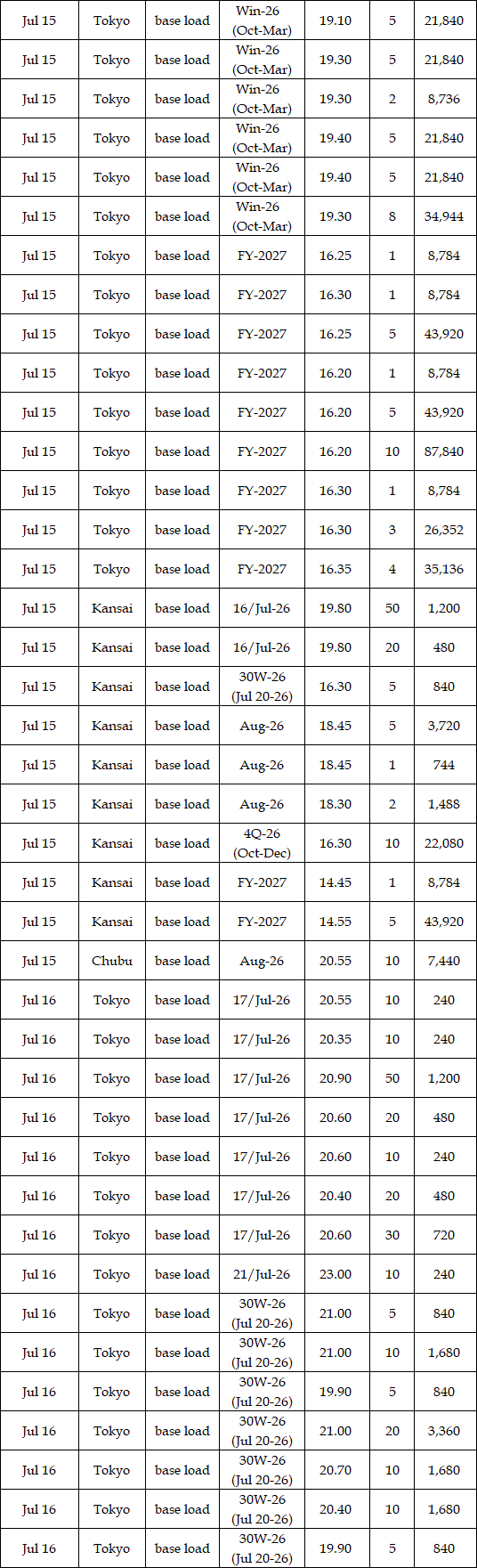
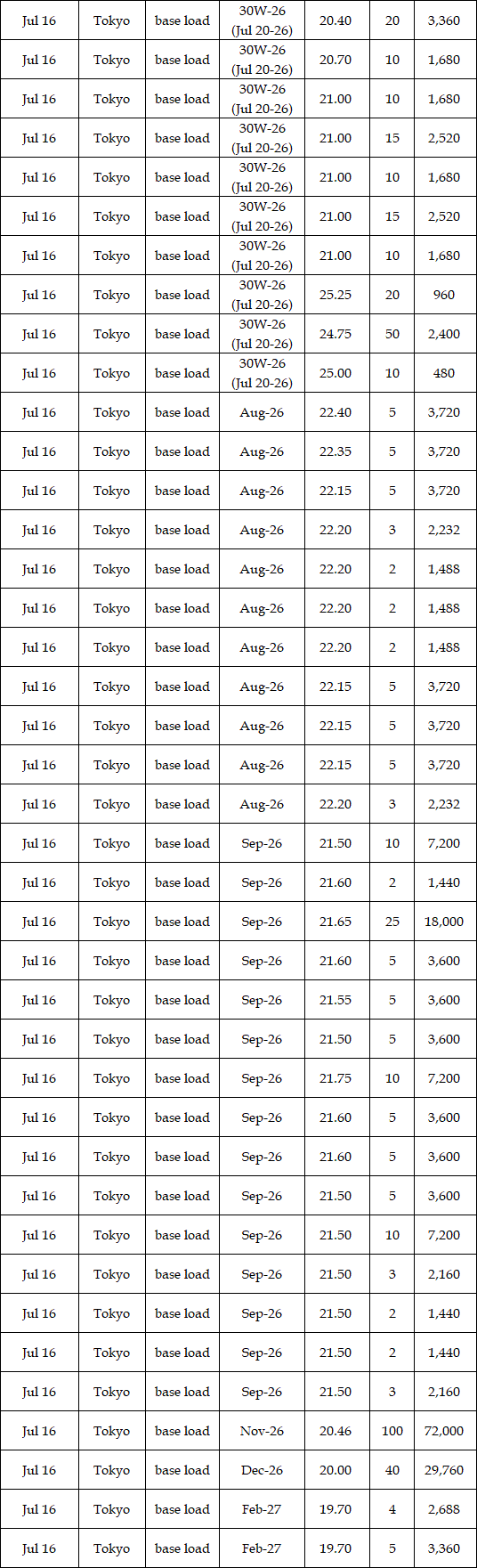
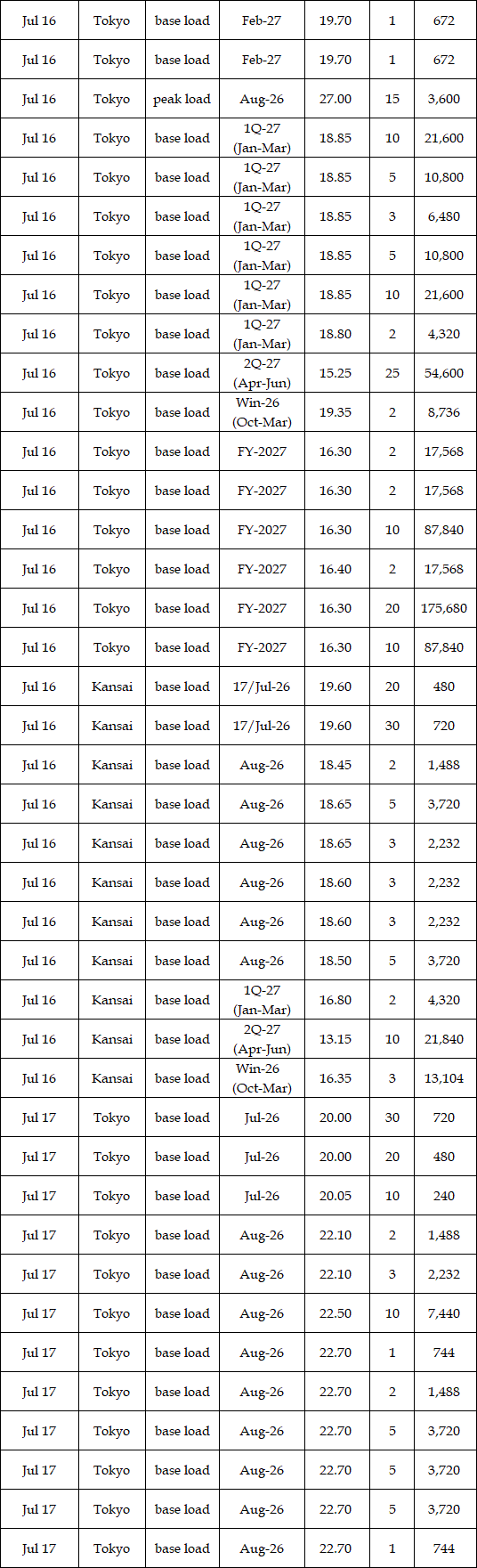
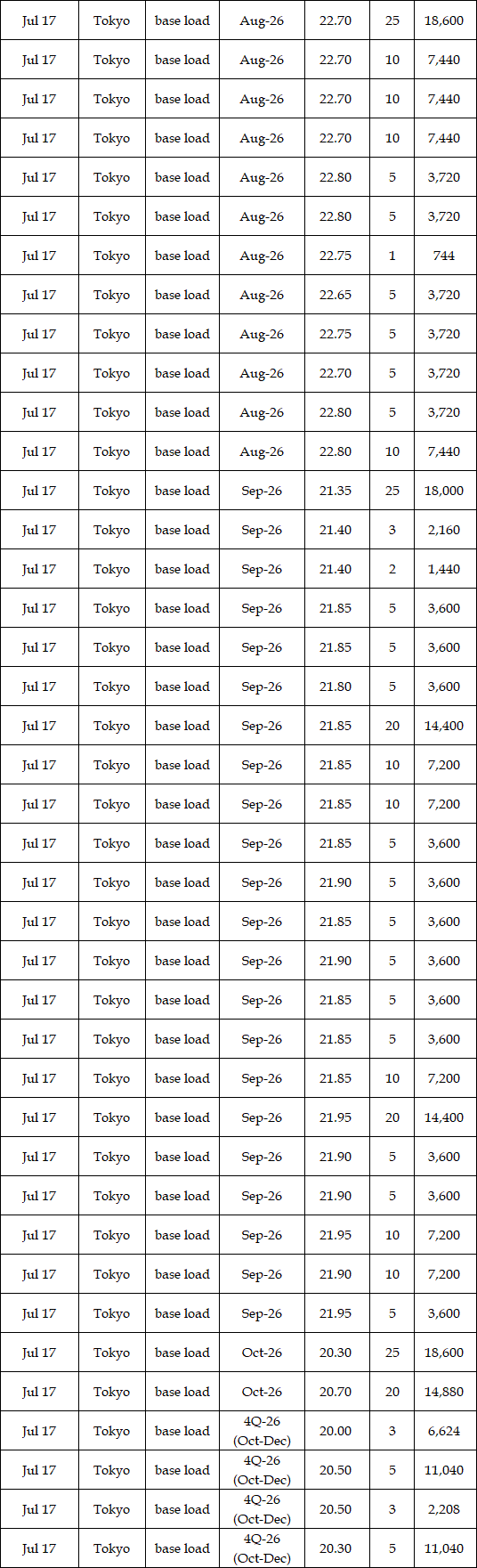
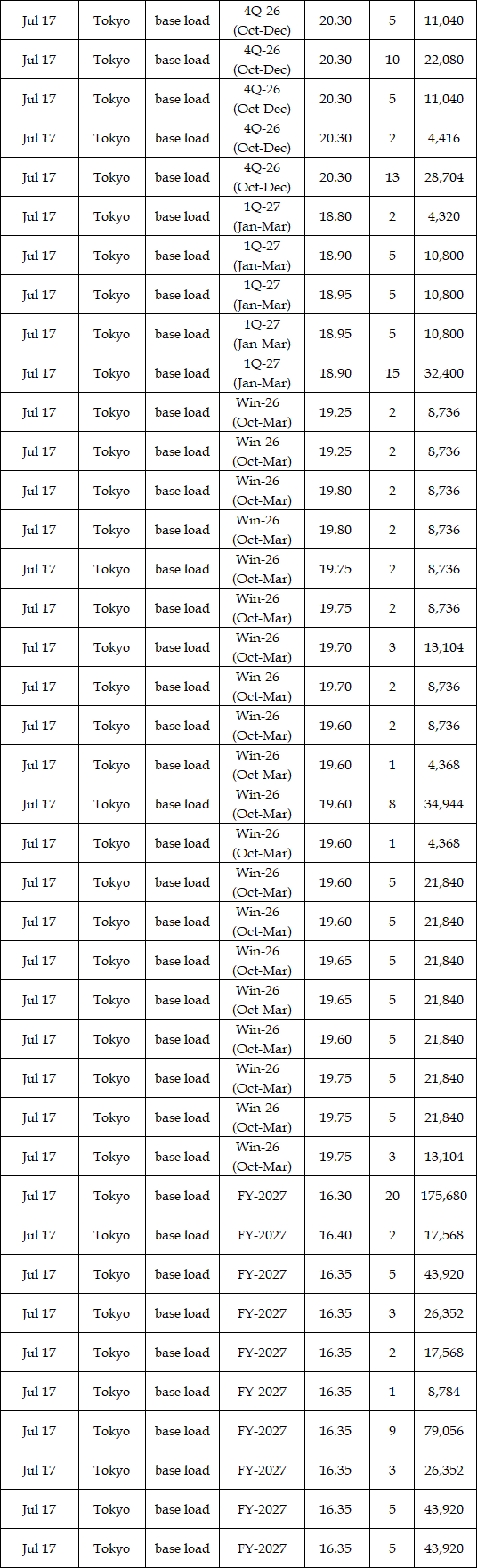
For the fourth week of July, power spot prices are expected to move at levels similar to or slightly above those of the third week. In Kanto, following the three-day holiday, days exceeding 35 degrees are expected to continue, with the heat expected to strengthen further. Furthermore, with an increasing possibility of the rainy season ending, there is a high likelihood of the scorching heat of mid-summer continuing for consecutive days. West Japan is also expected to continue experiencing scorching heat, and some areas in the Tokai region, among others, may approach 40 degrees. Due to this, high levels of air-conditioning demand are expected, and it is drawing attention how much this will affect prices. Regarding price trends for the fourth week of July, a market trading manager at a PPS commented, "Tokyo's base price is expected to exceed this week's prices as the heat further intensifies, but we still expect it to settle in the low Yen 20s. As long as supply capacity remains stable, there will be no excessive price increases. Kansai's base price is expected to trend around Yen 18-19, like this week's level. However, if equipment troubles arise, there is a strong possibility of a further price hike."
|
JEPX: System Price (Day Ahead 24 hours)
|
|
Weekday Price
|
13-Jul
|
14-Jul
|
15-Jul
|
16-Jul
|
17-Jul
|
|
24-Hour Ave
|
19.11
|
19.74
|
20.13
|
20.40
|
19.77
|
|
Volume (MWh)
|
1,236,733
|
1,307,301
|
1,363,363
|
1,414,154
|
1,374,366
|
|
(unit: yen per kWh) (date: delivery day)
|
|
|

|
 - Fair & Reliable -
 Post
Post Print
Print


