|
For Jul 20-24 delivery, the weekly average of 24-hour spot prices rose further in both Eastern Japan (50 Hz) and Western Japan (60 Hz) compared to the previous week. Severe heat persisting across the country drove a further increase in electricity demand, pushing prices even higher. Western Japan, in particular, experienced extreme heat, with temperatures exceeding 40°C for consecutive days from the 21st through the 24th in locations such as Tajimi City, Gifu Prefecture, and Kuwana City, Mie Prefecture.
Looking at the spread of 24-hour average spot prices between Tokyo and Kansai, higher in Tokyo than in Kansai by 2.05 yen on Jul 20, 1.14 yen on Jul 21, 2.46 yen on Jul 22, and 2.62 yen on Jul 23, whereas on Jul 24, prices were higher in Kansai than in Tokyo by 2.57 yen.
The following summarizes fuel market trends in the fourth week of July.
As of July 23, the price for prompt-delivery LNG (specifically for September 2026 arrival) in the Northeast Asian market stood in the high $22-per-MMBtu range, marking an increase of approximately $2.70 from the end of the previous week (July 17). LNG prices in the region rose further in response to surging crude oil and European natural gas prices, which were driven by heightened concerns over Middle Eastern energy supplies amid ongoing hostilities between the United States and Iran. Japan's LNG inventories for power generation reached 2.51 million tonnes as of July 19, an increase of 90,000 tonnes from the previous week. This figure significantly exceeded both the 1.76 million tonnes recorded at the end of July last year and the five-year average of 2.04 million tonnes. Despite persistent intense heat, inventory levels hit a new high for the year, a trend attributed to adjustments in term-contract deliveries.
FOB Newcastle Australia thermal coal prices for July 2026 loading were at the high $130 level per ton as of Jul 23, increasing by more than $0.7 from last Friday (Jul 17). This rise reflected the upward trend in crude oil and gas prices.
Crude oil prices for the NYMEX WTI September 2026 contract were at the mid $91 per barrel, and ICE Brent September 2026 contract hovered at the high $100 level as of 15:00 JST on Jul 24. Both increased by around $8 from last Friday (Jul 17). As mentioned for LNG, developments between the US and Iran continued to serve as a bullish factor.
The highest effective price throughout the week was Yen 58.38, observed in Kansai, Chugoku, Kyushu on the Jul 14. Meanwhile, the lowest effective price was Yen 2.00, observed in Shikoku on the Jul 23.
The weekly average of the 24-hour spot prices by area and the weekly average volume of offers, bids, and trades are shown in the table below. The bid volume and transaction volume renewed their historical highs repeatedly: for delivery on Jul 23, the bids reached 1,936.45 mil kWh and the transaction 1,556. 10 mil kWh, respectively.
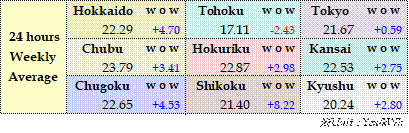

Power demand in nine areas of Japan during Jul 20-24 was 14,938.83 mil kWh, up 5.6% from 14,145.39 mil kWh during Jun 20-24. The figure was up 4.0% from the corresponding period a year earlier, which was 14,360.22 mil kWh during Jul 21-25, 2025, after day-of-week adjustment.
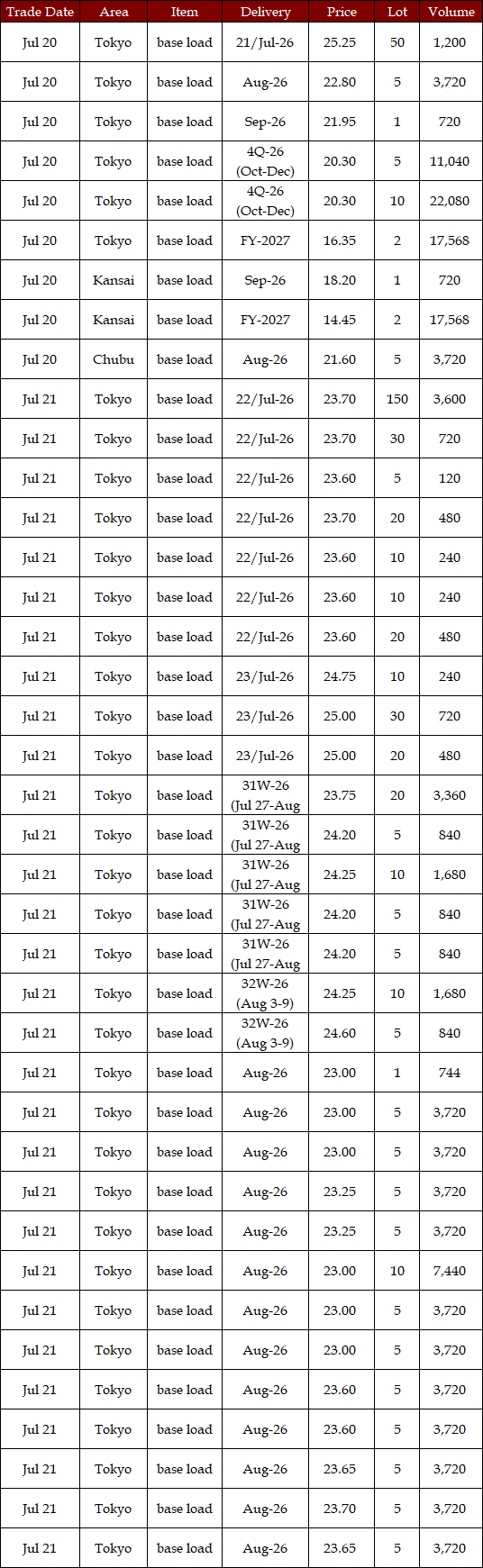
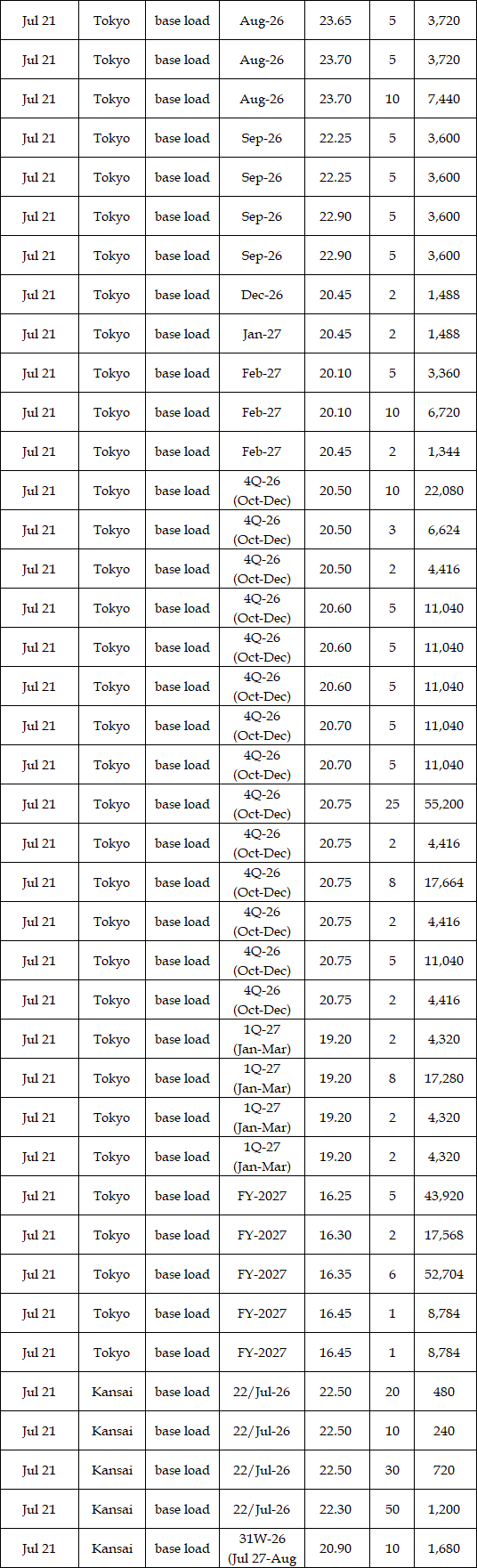
Deals reported on TOCOM (Tokyo Commodity Exchange) during Jul 20-24 were as below.
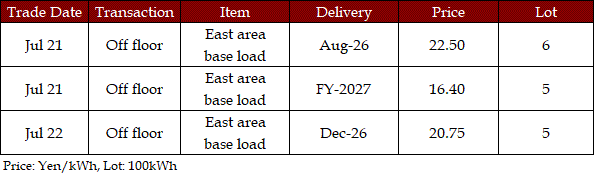
Deals reported on EEX (European Energy Exchange) during Jul 20-24 were as below.
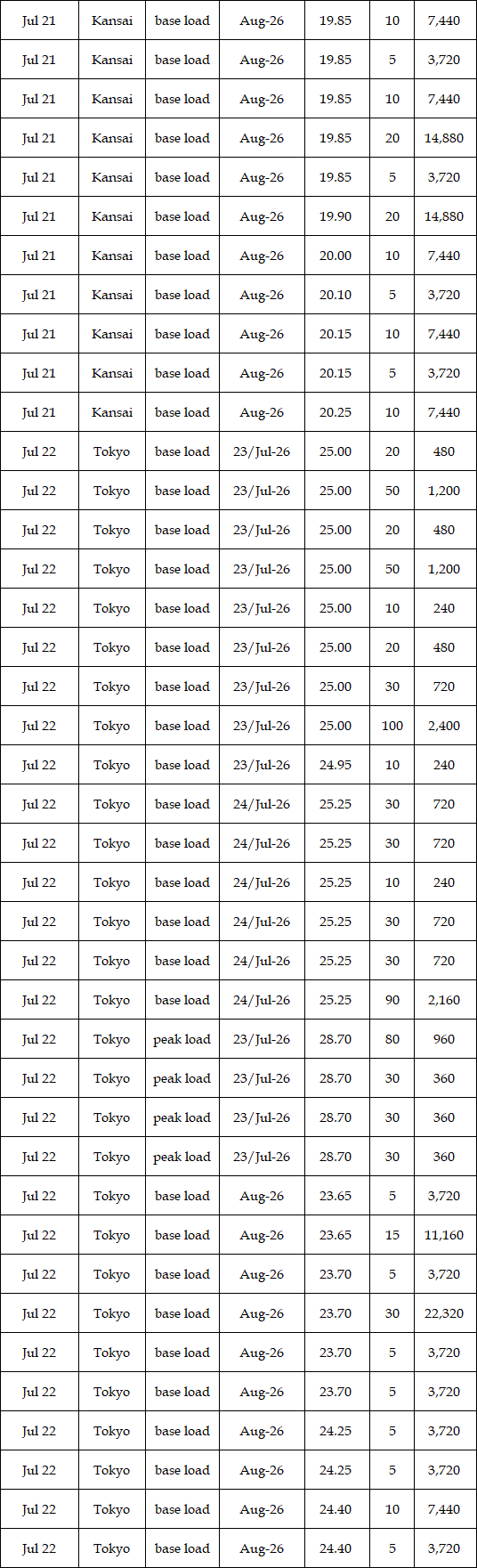
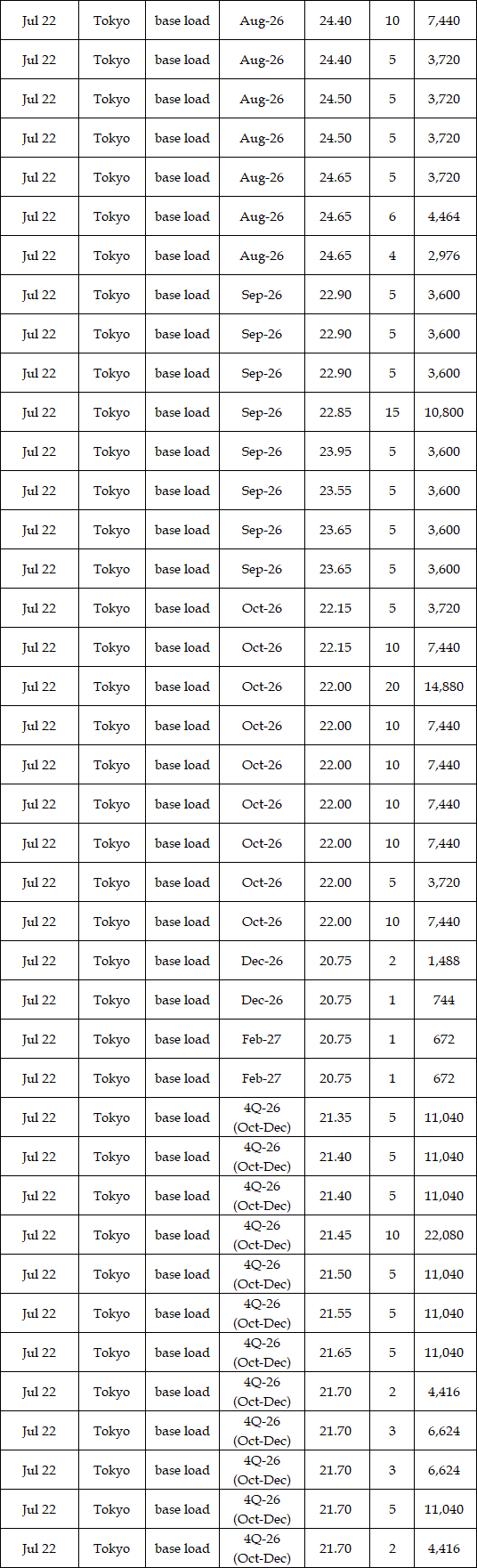
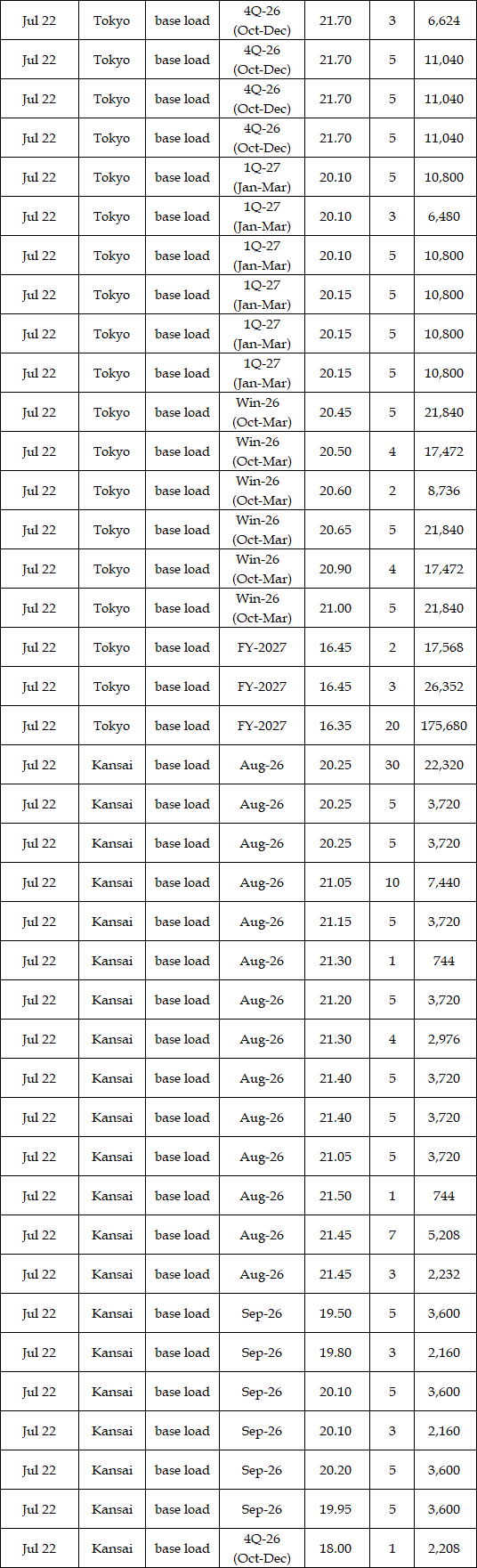
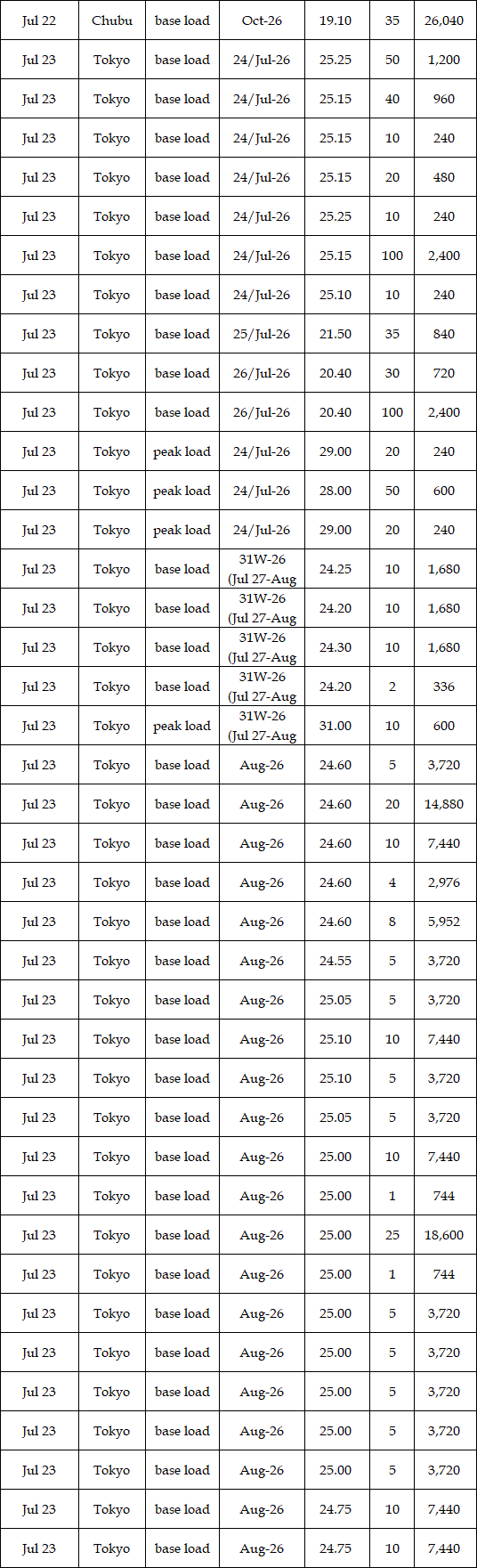
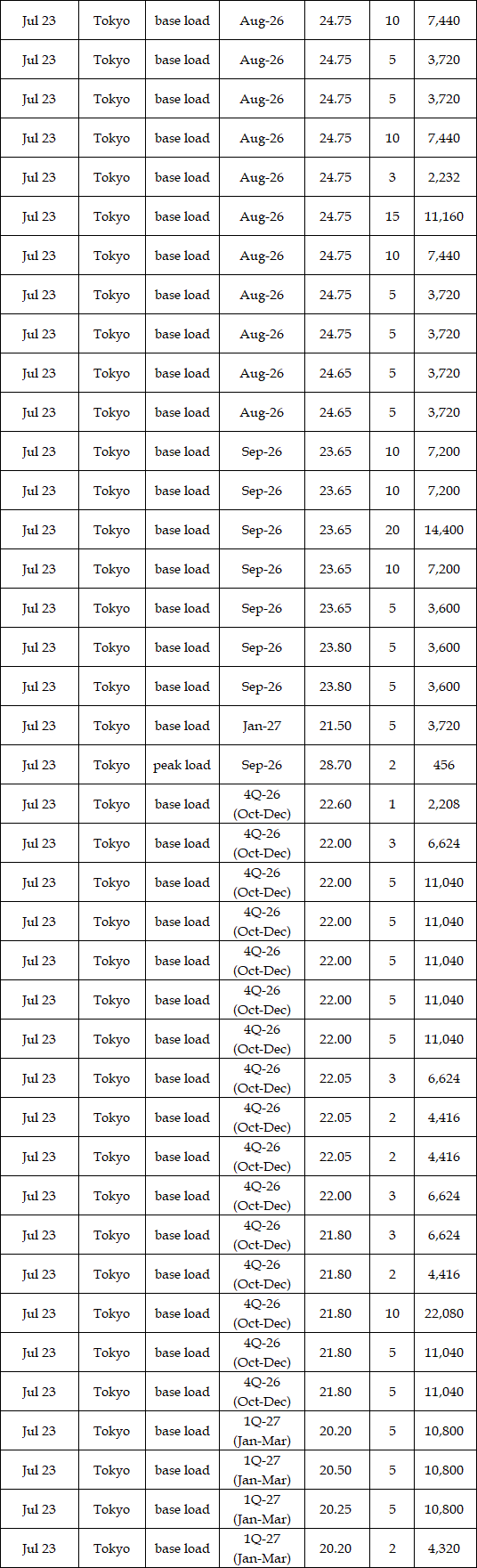
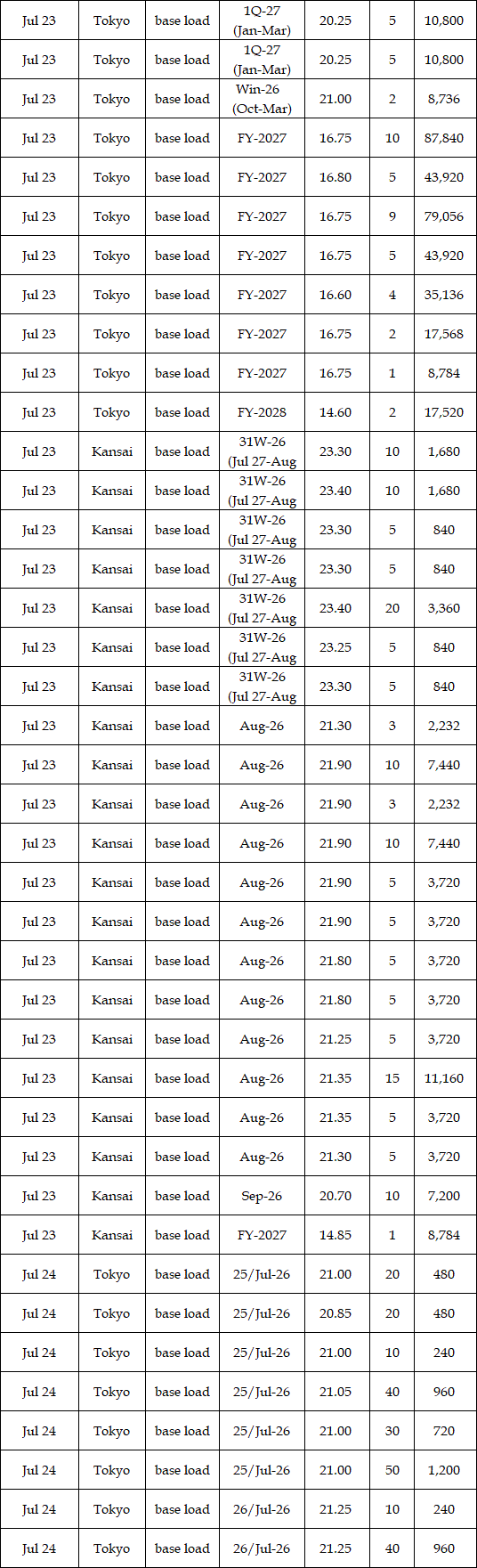
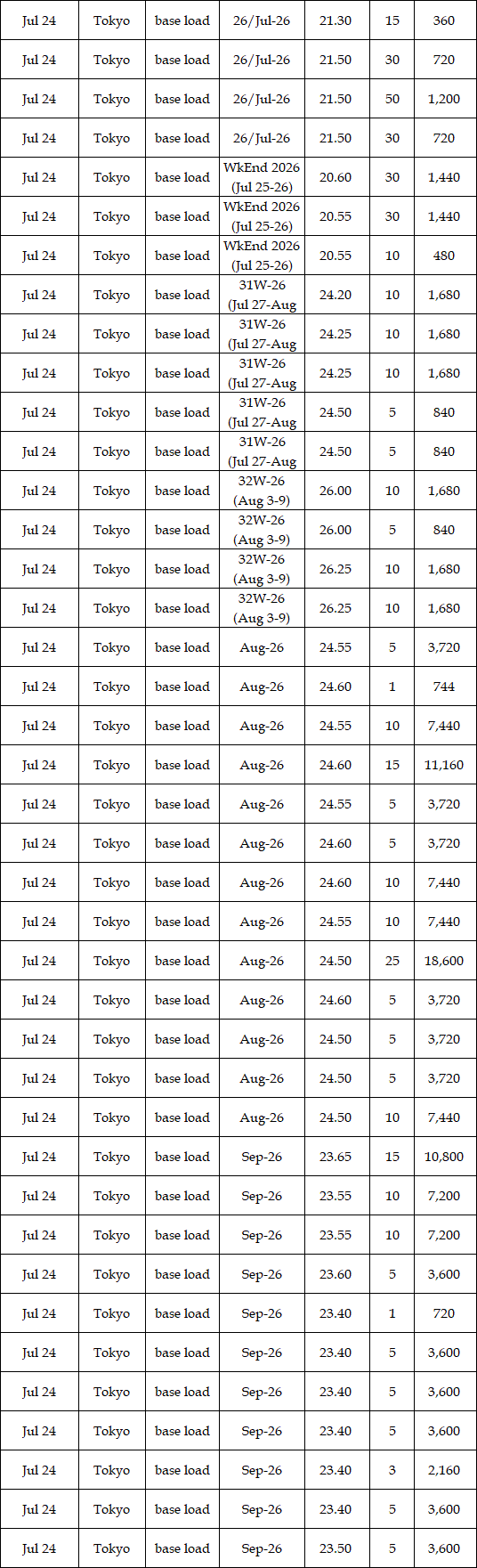
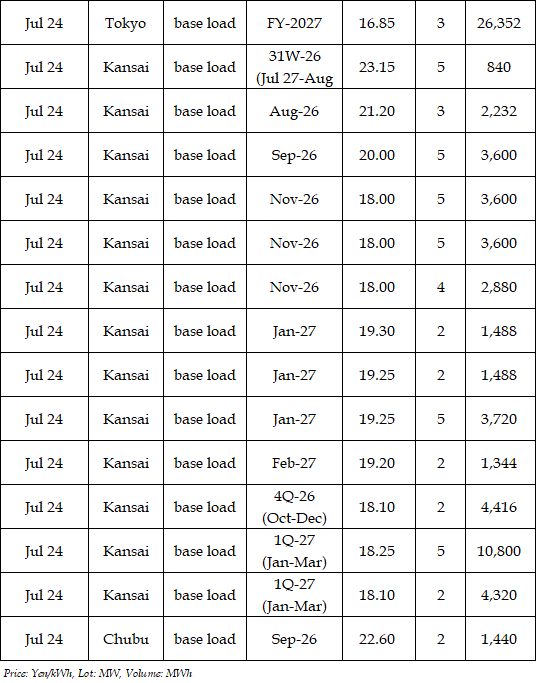
For the final week of July, power spot prices are likely to gain momentum toward the latter half of the week. Regarding next week's temperature trends, while scattered areas in Western Japan are forecast to experience extreme heat exceeding 35 degrees in the first half of the week, temperatures in Eastern Japan--including the Kanto region--are expected to reach only around 32 to 33 degrees, falling short of extreme heat levels. However, starting midweek, extreme heat is forecast for a wide area of Eastern Japan, and the number of regions in Western Japan exceeding extreme heat levels is expected to increase. Consequently, many analysts expect spot electricity prices to rise steadily from the first half to the second half of the week, and concerns are emerging regarding potential price spikes. Some market participants noted, "Given that prices reached the 50-yen range in both eastern and western Japan during the fourth week, and instances of imbalance charges exceeding 100 yen have increased, I think more market participants will move to place high bids depending on temperature trends" (a market trading manager at a new electricity supplier). Regarding price trends for the final week of July, some market participants offered the following outlook: "The base price in Tokyo is likely to remain above 20 yen for several consecutive days. It is expected to be in the 22-23 yen range in the first half of the week and exceed 25 yen from the middle of the week onward as the heat intensifies. We expect the base price in Kansai to hover around 23-24 yen throughout the week, with prices in the first half of the week trending higher in the west and lower in the east," said a market trading manager at PPS.
|
JEPX: System Price (Day Ahead 24 hours)
|
|
Weekday Price
|
13-Jul
|
14-Jul
|
15-Jul
|
16-Jul
|
17-Jul
|
|
24-Hour Ave
|
19.11
|
19.74
|
20.13
|
20.40
|
19.77
|
|
Volume (MWh)
|
1,236,733
|
1,307,301
|
1,363,363
|
1,414,154
|
1,374,366
|
|
(unit: yen per kWh) (date: delivery day)
|
|
|

|
 - Fair & Reliable -
 Post
Post Print
Print


