|
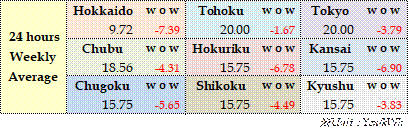
For Jul 27-31 delivery, the weekly average of 24-hour spot prices dipped slightly in both Eastern Japan (50 Hz) and Western Japan (60 Hz) compared to the previous week. As the heat eased in many regions compared to the previous week and electricity demand declined, upward pressure on prices was put on.
Looking at the spread of 24-hour average spot prices between Tokyo and Kansai, higher in Tokyo than in Kansai by 2.26 yen on Jul 27, 1.04 yen on Jul 28, 2.73 yen on Jul 29, 2.39 yen on Jul 30, and 1.72 yen on Jul 31.
The following summarizes fuel market trends in the final week of July.
As of July 31, the price for prompt-delivery LNG (specifically for September 2026 arrival) in the Northeast Asian market stood in the low $21-per-MMBtu range, marking a decline of approximately $1.00 from the end of the previous week (July 24). With the cessation of hostilities between the U.S. and Iran easing geopolitical risks in the Middle East, crude oil and European natural gas prices fell further, exerting downward pressure on LNG prices in the Northeast Asian market as well. Japan's LNG inventories for power generation stood at 2.02 million tonnes as of July 26, marking a drawdown of 480,000 tonnes from the previous week; this reflected increased operation of LNG-fired power plants driven by a surge in electricity demand during the intense heat between July 20-24. While the figure exceeded the 1.76 million tonnes recorded at the end of July the previous year, it remained below the five-year average of 2.04 million tonnes.
FOB Newcastle Australia thermal coal prices for August 2026 loading were at $134 per ton as of Jul 31, decline $1.4 from last Friday (Jul 24). This decrease reflected the downward trend in crude oil and gas prices.
Crude oil prices for the NYMEX WTI September 2026 contract were at the low $82 per barrel, and ICE Brent September 2026 contract hovered at the low $88 level as of 12:00 JST on Jul 31. WTI fell by approximately $7 and Brent by about $8. from last Friday (Jul 17). With the cessation of mutual attacks between the United States and Iran, excessive concerns regarding the supply of energy from the Middle East have receded.
The highest effective price throughout the week was Yen 50.01, observed in Tokyo on Jul 27. Meanwhile, the lowest effective price was Yen 1.00, observed in Hokkaido on Jul 27.
The weekly average of the 24-hour spot prices by area and the weekly average volume of offers, bids, and trades are shown in the table below. On August 31, sell orders totaling 1,897.42mil kWh were placed, marking record high.
The bid volume and transaction volume renewed their historical highs repeatedly: for delivery on Jul 23, the bids reached 1,936.45 mil kWh and the transaction 1,556. 10 mil kWh, respectively.

Power demand in nine areas of Japan during Jul 27-31 was 13,849.63 mil kWh, down 7.3% from 14,938.83 mil kWh during Jun 20-24. The figure was down 3.9% from the corresponding period a year earlier, which was 14,412.23 mil kWh during Jul 28-Aug 1, 2025, after day-of-week adjustment.
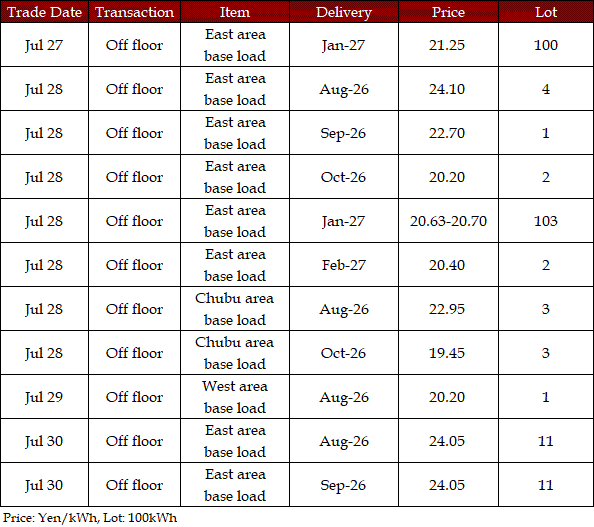
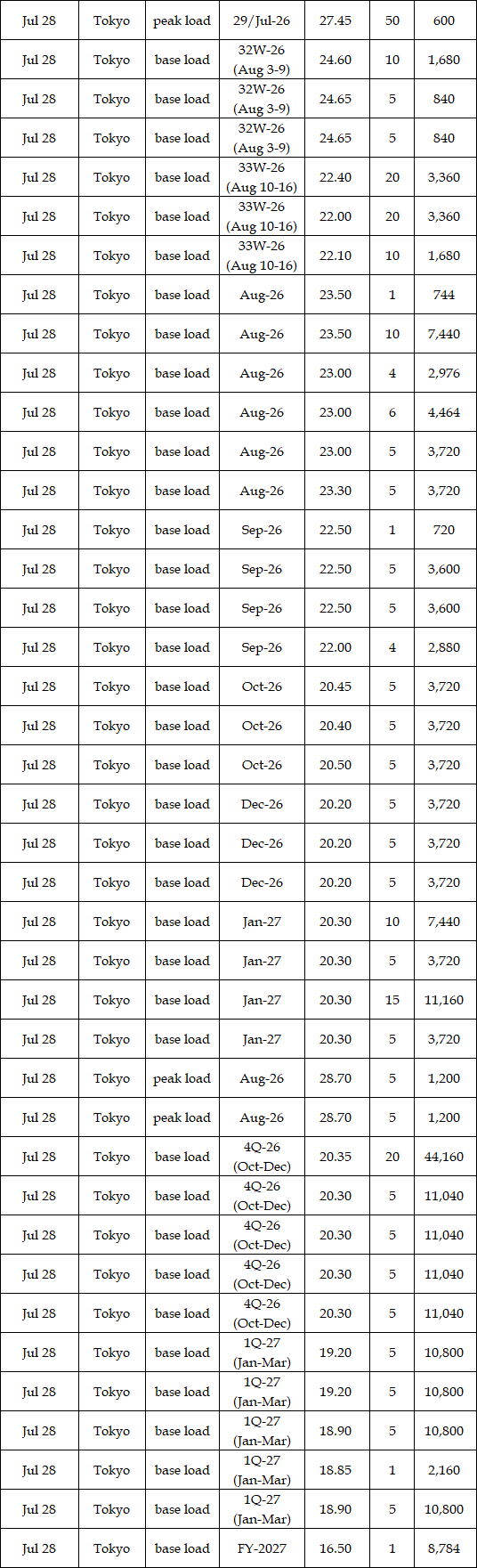
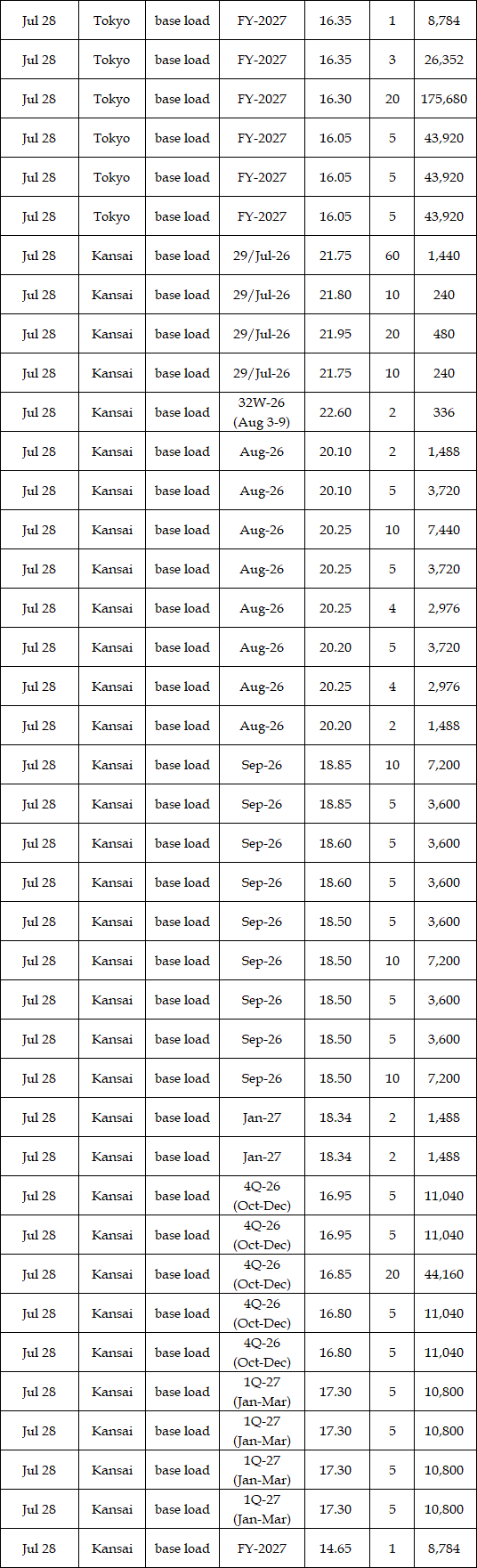
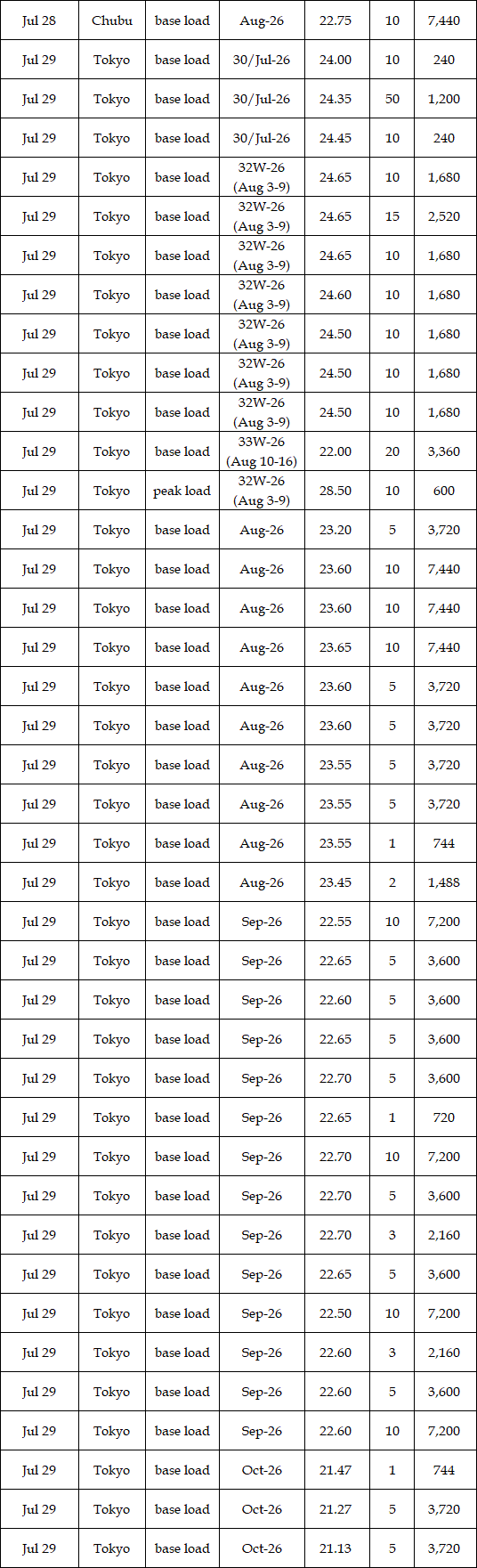
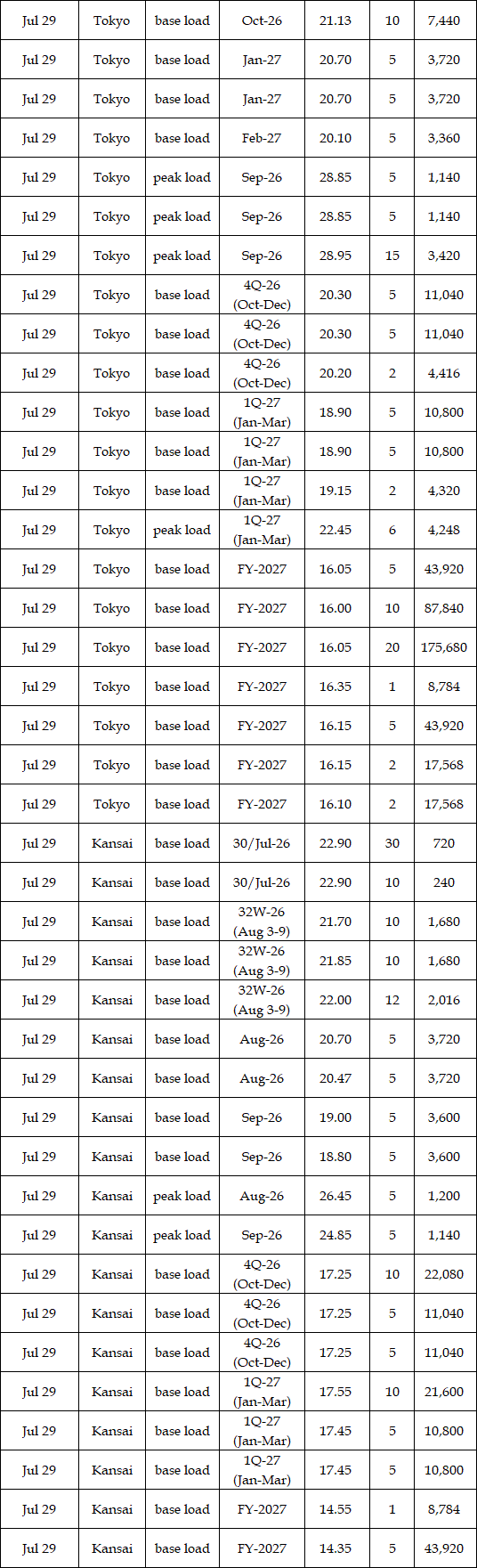
Deals reported on TOCOM (Tokyo Commodity Exchange) during Jul 27-31 were as below.
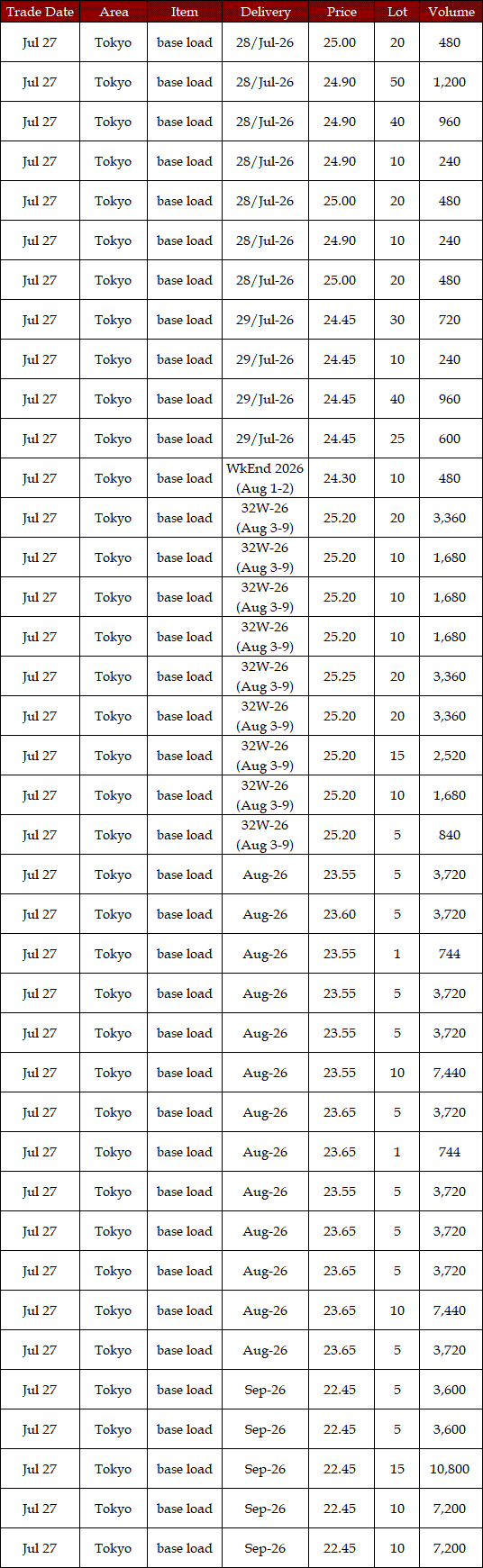
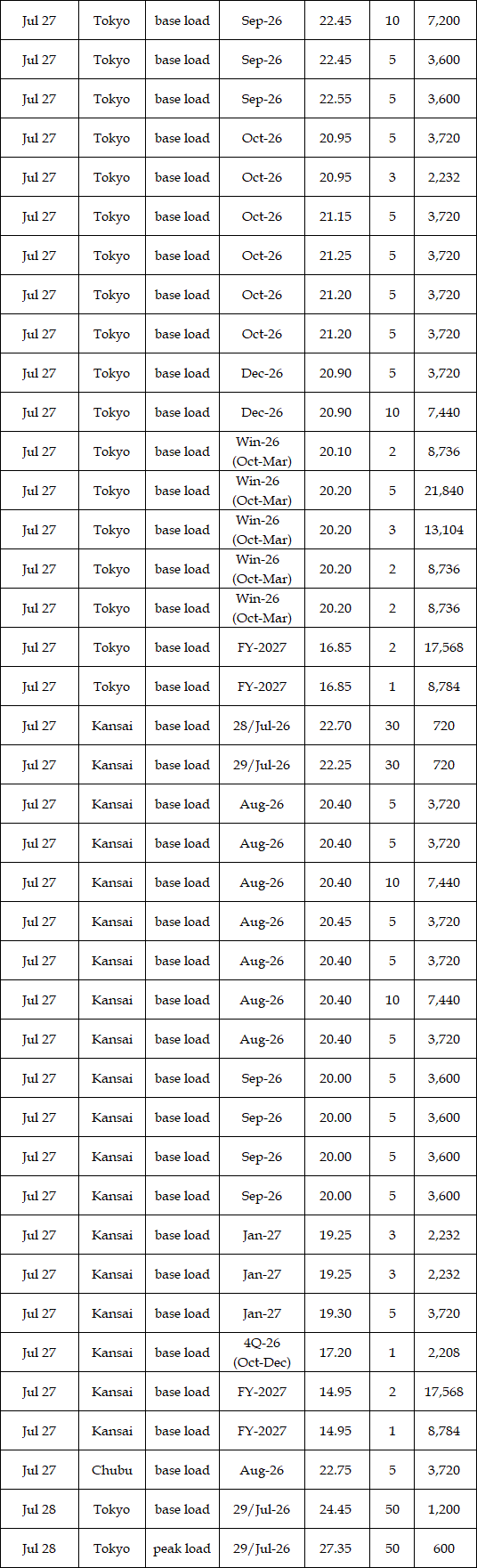
Deals reported on EEX (European Energy Exchange) during Jul 27-31 were as below.
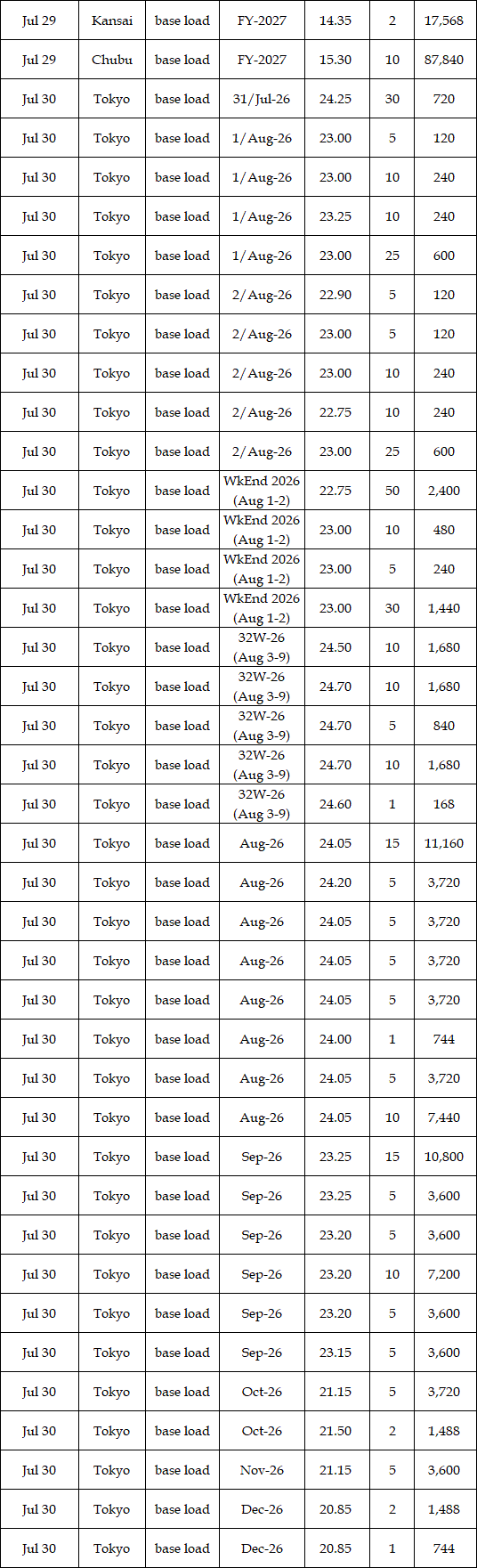
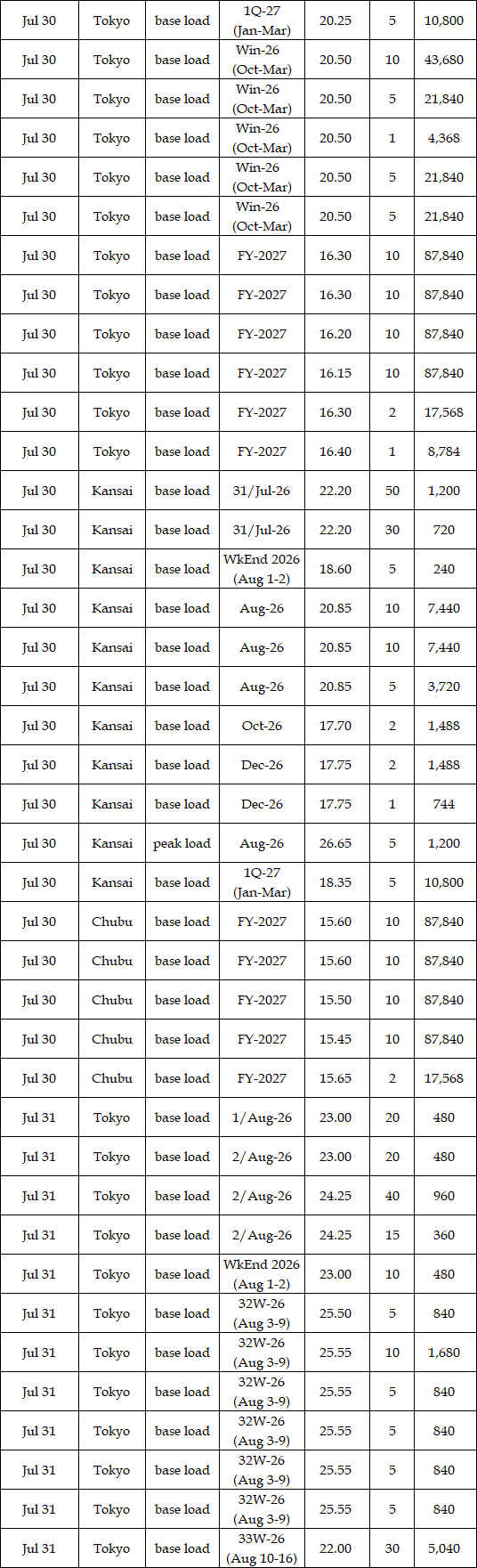
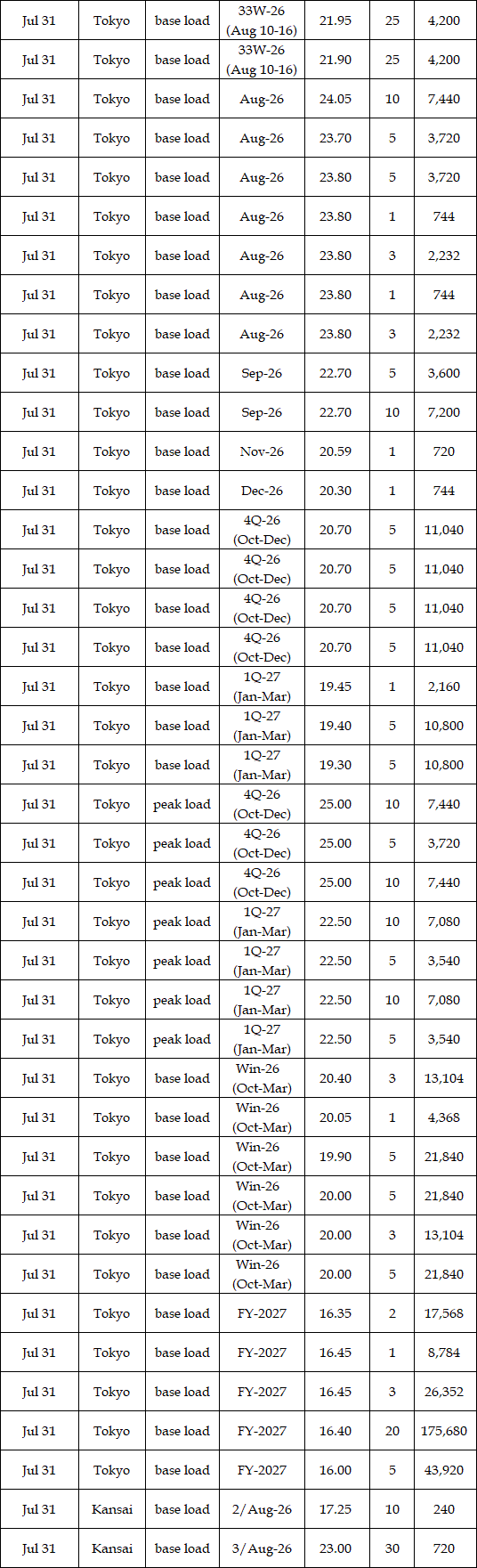
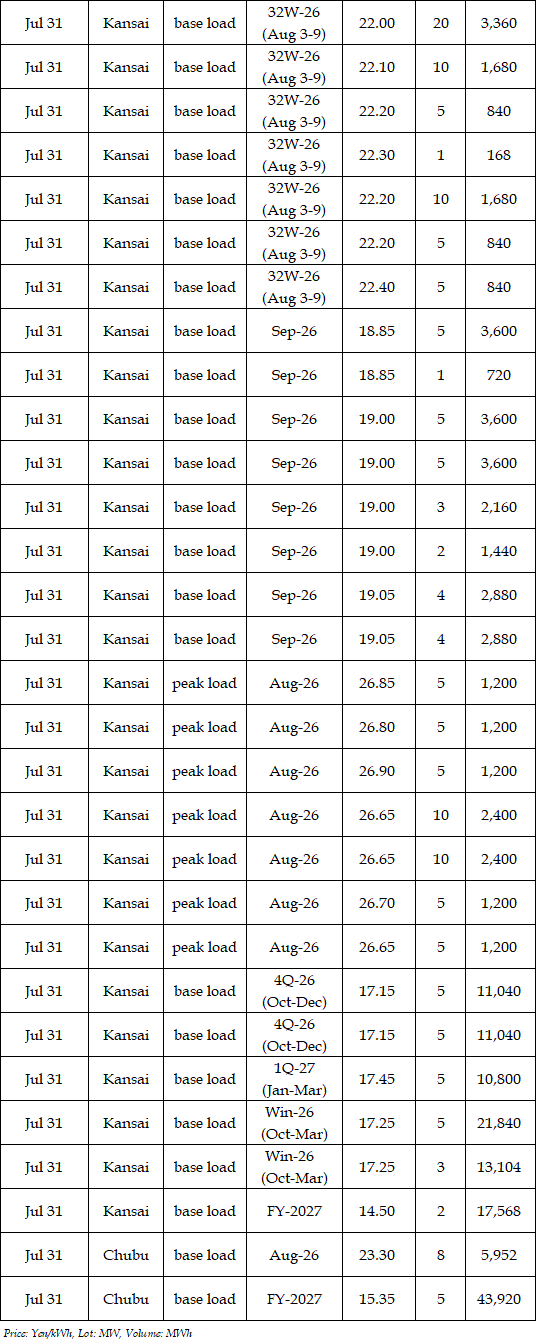
Regarding the spot electricity market for the first week of August, prices are expected to show a pattern where rates in the west are higher than in the east, driven by a temperature disparity between the two regions. In terms of temperature trends, many areas in western Japan will experience intense heat exceeding 35°C throughout the week, with some days potentially approaching the 40°C mark. Conversely, eastern Japan--including the Kanto region--is forecast to see temperatures mostly in the 30-32°C range, suggesting that electricity demand will remain lower than in the previous week. These temperature trends are likely to influence prices, potentially resulting in higher rates in the west compared to the east. Regarding price movements for the first week of August, a market trader for PPS commented: "We anticipate that the base price in Tokyo will hover around 22-23 yen--similar to the final week of July--or possibly even drop below that level. Meanwhile, we expect the base price in the Kansai region, where high temperatures persist, to track at a similar 22-23 yen, though it could approach 25 yen depending on temperature fluctuations."
|
JEPX: System Price (Day Ahead 24 hours)
|
|
Weekday Price
|
27-Jul
|
28-Jul
|
29-Jul
|
30-Jul
|
31-Jul
|
|
24-Hour Ave
|
22.87
|
23.06
|
22.40
|
22.74
|
23.48
|
|
Volume (MWh)
|
1,341,554
|
1,325,593
|
1,328,767
|
1,378,612
|
1,422,141
|
|
(unit: yen per kWh) (date: delivery day)
|
|
|

|
 - Fair & Reliable -
 Post
Post Print
Print


