|
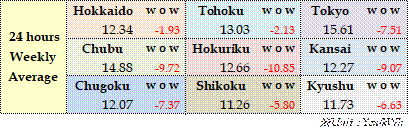
For the week covering power spot deliveries from August 10 to 14, the weekly average of the 24-hour mean price continued to fall in both Eastern Japan (50 Hz) and Western Japan (60 Hz) compared to the previous week. Prices faced strong downward pressure as demand plummeted with the onset of the Obon holiday period. In Tokyo, the base price hovered around 15 yen for many days throughout the week, with even the highest rates remaining in the low 20-yen range.
Looking at the 24-hour average price difference in the electricity spot markets between the major eastern (Tokyo) and western (Kansai) regions, prices trended higher in the east than in the west, with differentials of 0.61 yen on Aug 10, 4.39 yen on Aug 11, 4.56 yen on Aug 12, 2.22 yen on Aug 13, and 4.16 yen on Aug 14.
The following summarizes fuel market trends in the second week of August.
On Aug 14, the price for Northeast Asian LNG spot cargoes scheduled for delivery in September stood at $21 per MMBtu, remaining virtually unchanged from the level seen at the end of the previous week (Aug 7). The market lacked a clear direction due to a mix of bullish and bearish factors: while concerns over Middle East energy supplies persisted--driven by the lack of any prospect for the lifting of the Strait of Hormuz blockade--there were also sporadic offers of cargoes destined for Northeast Asia. As of August 9, Japan's inventories of LNG for power generation stood at 2.03 million tonnes, an increase of 10,000 tonnes from the previous week. This figure exceeded the 2.01 million tonnes recorded at the end of August of the previous year but fell short of the five-year average of 2.12 million tonnes.
The price of thermal coal for loading at Newcastle, Australia--specifically for August 2026 loading--stood in the low $129-per-ton range on Aug 14, marking an increase of approximately $1.50 from the end of the previous week (Aug 7). This rise reflected higher crude oil and gas prices.
On Aug 14, crude oil prices stood in the mid-$82 per barrel range for WTI (September 2026 delivery) and the mid-$88 range for Brent (October 2026 delivery). This represented an increase of just over $4 for WTI and around $5 for Brent compared to the previous week's close (Aug 7). As noted regarding LNG, prices remained on a firm upward trend due to the lack of any clear prospect for the lifting of the blockade in the Strait of Hormuz. On Aug 11, the Houthi--a pro-Iran armed group in Yemen--attacked a vessel in the Bab el-Mandeb Strait, resulting in fatalities.
The actual high for the week was 26.00 yen, recorded in six regions of western Japan on Aug 10. Meanwhile, the actual low was 0.01 yen, recorded in Shikoku on Aug 11.
The weekly average of the 24-hour spot prices by area and the weekly average volume of offers, bids, and trades are shown in the table below.

Power demand in nine areas of Japan during Aug 10-14 was 10,673.13 mil kWh, down 23.0% from 13,858.50 mil kWh during Aug 3-7. The figure was down 4.5% from the corresponding period a year earlier, which was 11,178.95 kWh during Aug 4-8, 2025, after day-of-week adjustment.
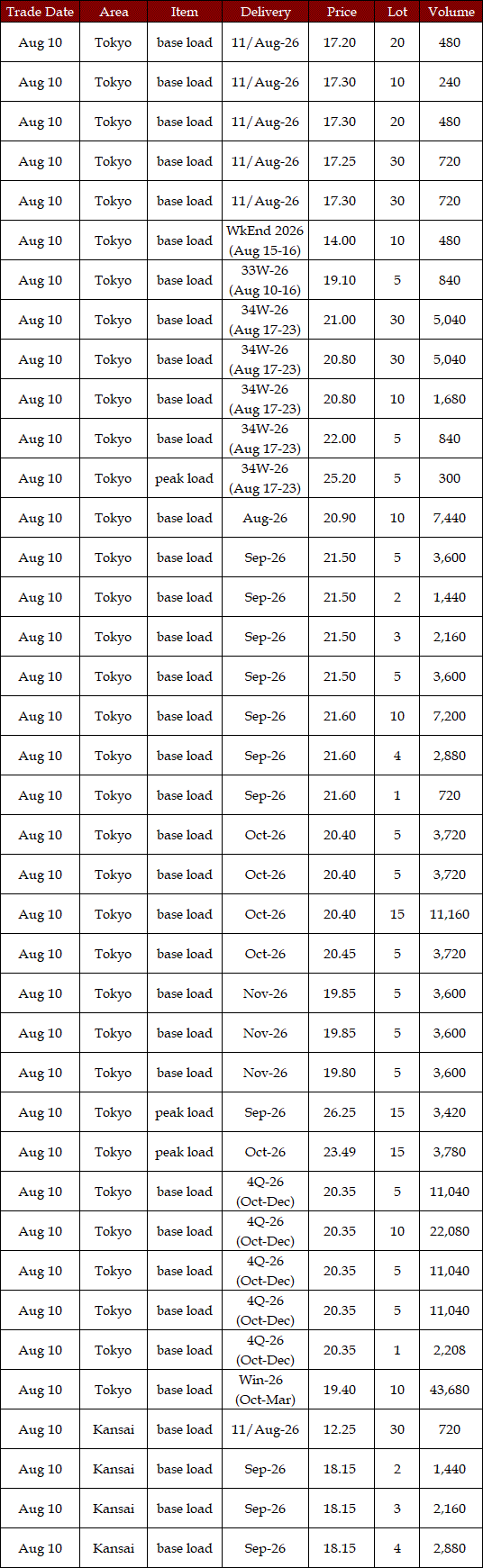
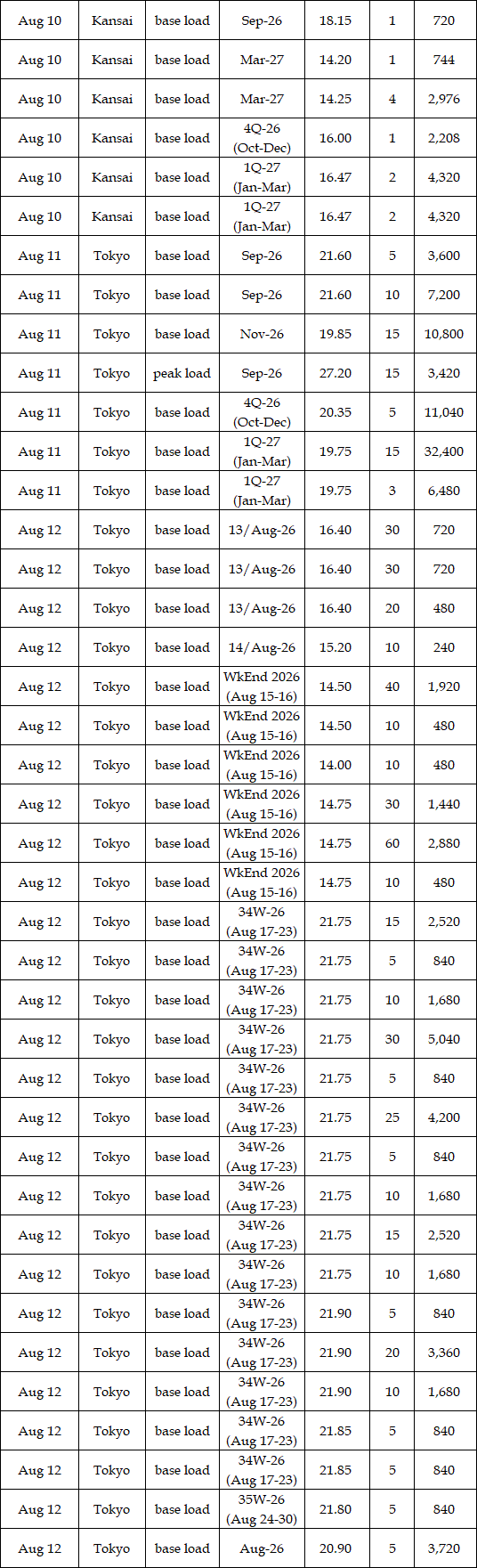
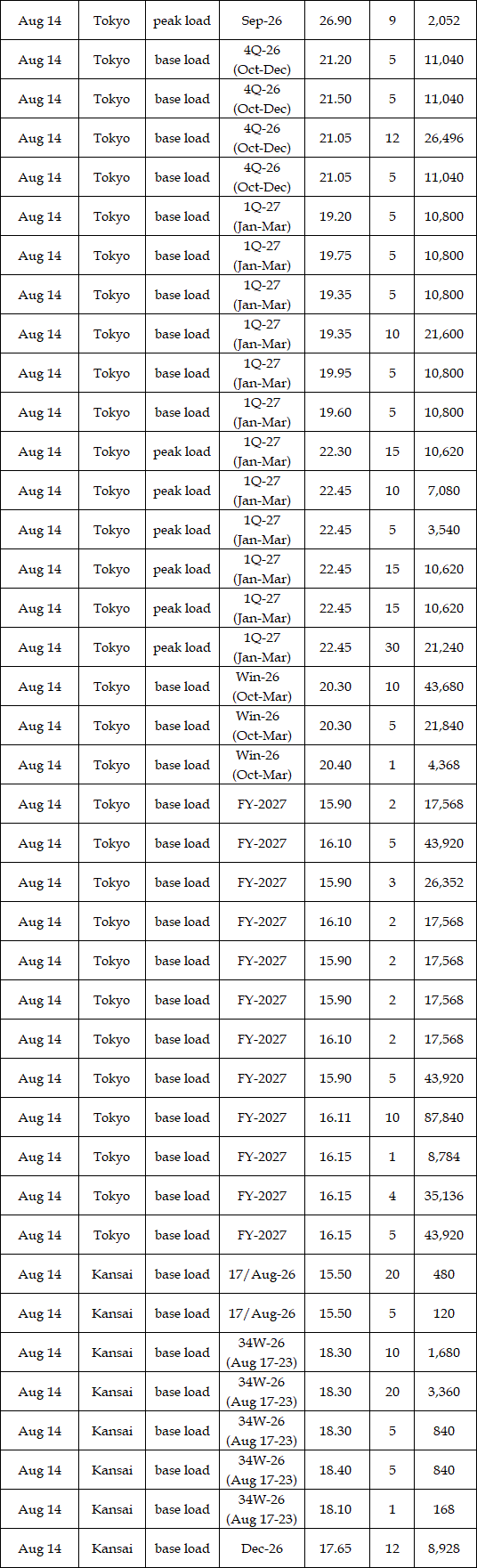
Deals reported on TOCOM (Tokyo Commodity Exchange) during Aug 10-14 were as below.
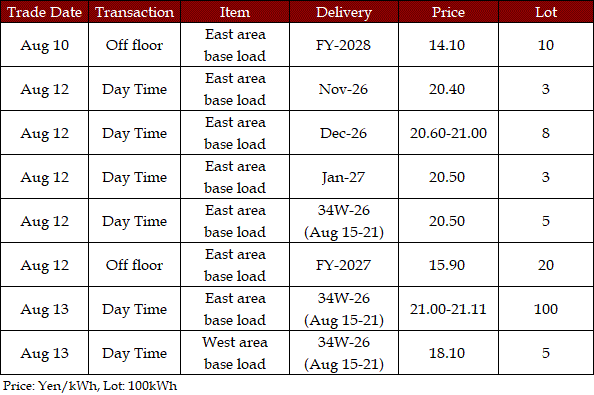
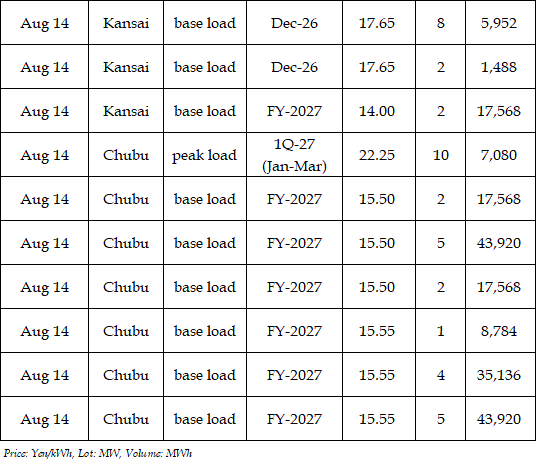
Deals reported on EEX (European Energy Exchange) during Aug 10-14 were as below.
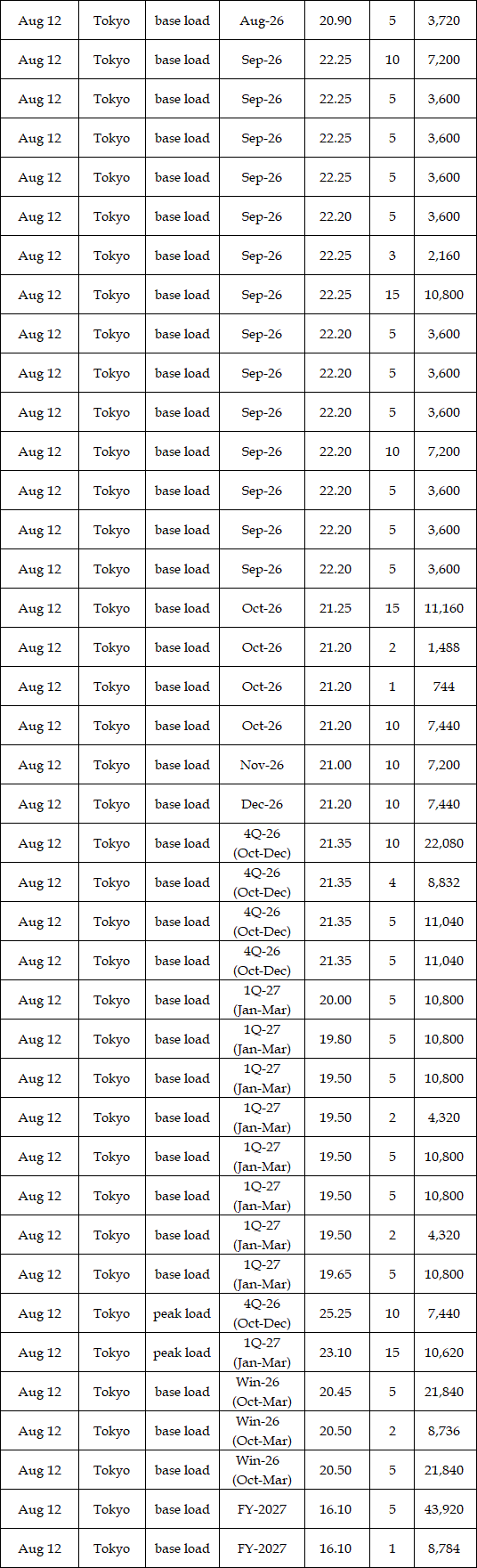
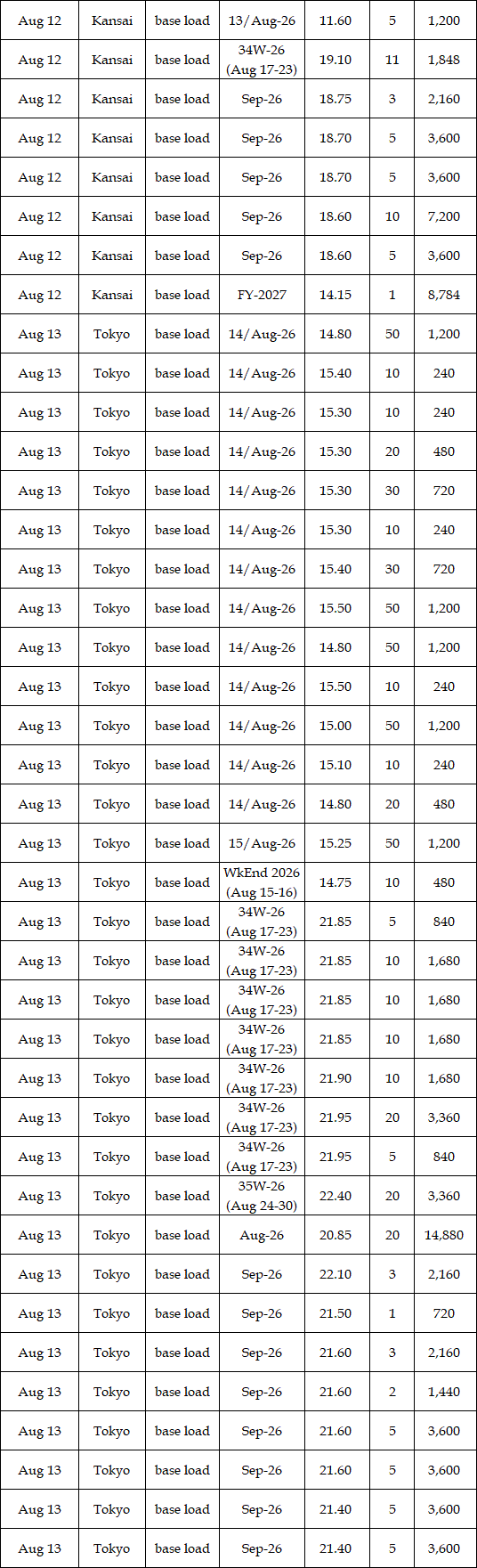
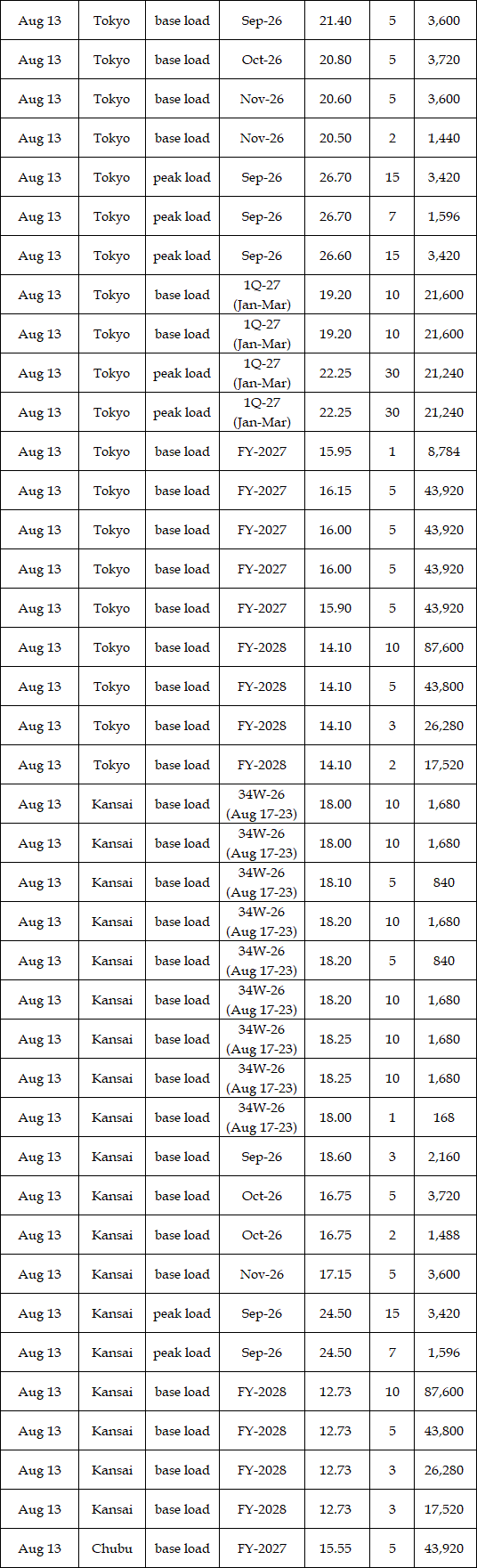
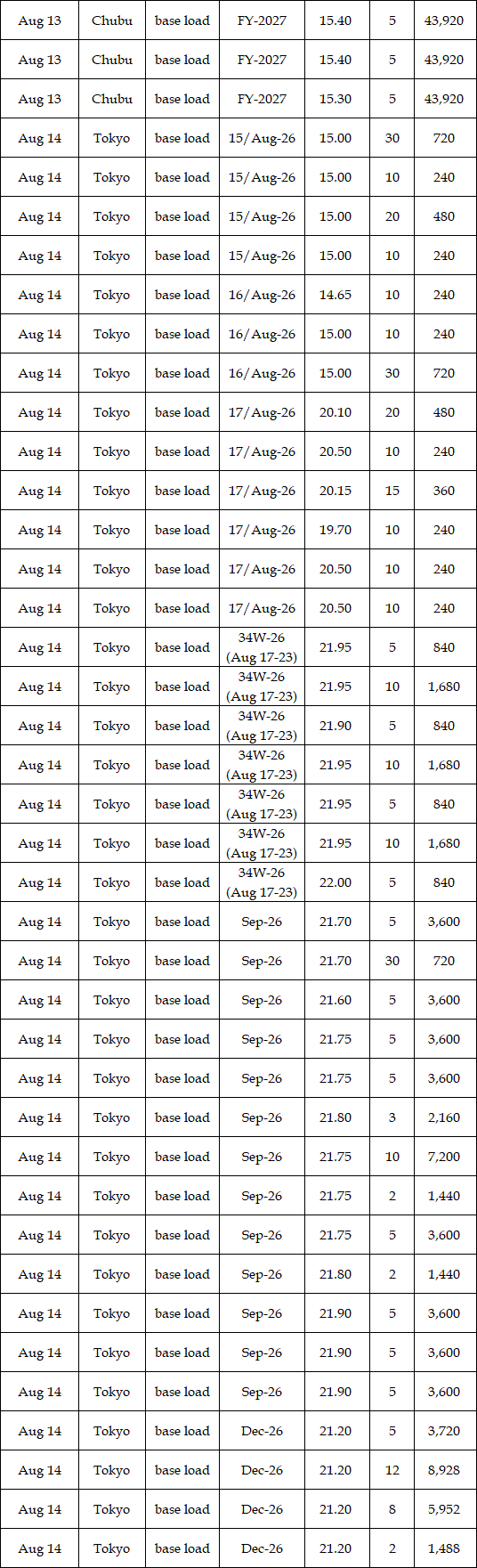
Spot power prices for the third week of Aug are expected to exceed those of the second week. As operations at factories and other facilities return to normal following the Obon holiday period, prices are likely to see an upward shift. However, given the temperature forecast for the third week--with highs in the low 30s (°C) in the Kanto region and remaining below 35°C in Western Japan--an excessive surge in prices is considered unlikely. Regarding price trends for the third week, some market participants--specifically those handling market trading for new power providers--project that "base prices will be around 22-23 yen for Tokyo and approximately 19 yen for Kansai."
|
JEPX: System Price (Day Ahead 24 hours)
|
|
Weekday Price
|
10-Aug
|
11-Aug
|
12-Aug
|
13-Aug
|
14-Aug
|
|
24-Hour Ave
|
15.98
|
11.37
|
12.82
|
12.87
|
12.45
|
|
Volume (MWh)
|
1,136,806
|
1,062,651
|
1,071,437
|
1,047,743
|
1,065,099
|
|
(unit: yen per kWh) (date: delivery day)
|
|
|

|
 - Fair & Reliable -
 Post
Post Print
Print


