|
For the week covering deliveries from August 24 to 28, the weekly average of the 24-hour spot power price rose further in both Eastern Japan (50Hz) and Western Japan (60Hz) compared to the previous week. With temperatures remaining relatively high across many regions, increased demand for cooling drove up buying interest, pushing prices to even higher levels. As temperatures in Western Japan continued to exceed those in Eastern Japan, the trend of higher prices in the west compared to the east persisted. Average of the 24-hour spot power price hovered in the 23-25 yen range for Tokyo, the 25-27 yen range for Chubu, and the 23-27 yen range for Kansai.
In Western Japan, imbalance charges exceeded 100 yen on some days, and supply-demand conditions remained tight, particularly in the Kansai region. Kansai received power transfers from regions such as Tokyo and Chubu on Aug 25 and Aug 27.
Looking at the 24-hour average price differentials in the electricity spot markets between the major eastern (Tokyo) and western (Kansai) regions, prices trended higher in the west than in the east, with gaps of 0.64 yen on Aug 24, 1.15 yen on Aug 25, 1.89 yen on Aug 26, 1.12 yen on Aug 27, and 0.77 yen on Aug 28.
The following summarizes fuel market trends in the fourth week of August.
In the Northeast Asian LNG spot market, the price for October delivery reached the high $20s per mmBtu on August 28, marking an increase of approximately $1 from the end of the previous week (August 21). Prices climbed further as buying interest from traders intensified amidst persistent geopolitical risks in the Middle East. Even during periods of decline, the drop was limited compared to crude oil prices, reflecting market resilience. Japan's LNG inventories for power generation stood at 2.38 million tonnes as of August 23, an increase of 110,000 tonnes from the previous week; this figure exceeded both the 2.01 million tonnes recorded at the end of August last year and the five-year average of 2.12 million tonnes.
The price of thermal coal for loading at Newcastle, Australia--specifically for September 2026 delivery--stood at $139.75 per tonne on August 28, marking a $1.50 increase from the level at the end of the previous week (August 21). This rise reflected higher crude oil and gas prices.
On August 28, crude oil prices stood at $83.40 per barrel for the WTI October 2026 contract and $89.31 for the Brent October 2026 contract. These figures represented declines of $3.66 for WTI and $5.08 for Brent compared to the previous week's close (August 21). Selling pressure dominated the market due to factors such as the fact that additional U.S. sanctions against Iran were within expected limits, concerns over a resumption of hostilities had eased, and there were signs pointing toward the resumption of shipping through the Strait of Hormuz.
The actual high for the week was 55.23 yen in West Japan on Aug 26. Meanwhile, the actual low was 3.00 yen in Hokkaido on Aug 25.
The weekly average of the 24-hour spot prices by area and the weekly average volume of offers, bids, and trades are shown in the table below.
Power demand in nine areas of Japan during Aug 24-28 was 14,273.00 mil kWh, up 5.9% from 13,479.62 mil kWh during Aug 17-21. The figure was down 1.5% from the corresponding period a year earlier, which was 14,487.19 kWh during Aug 25-29, 2025, after day-of-week adjustment.
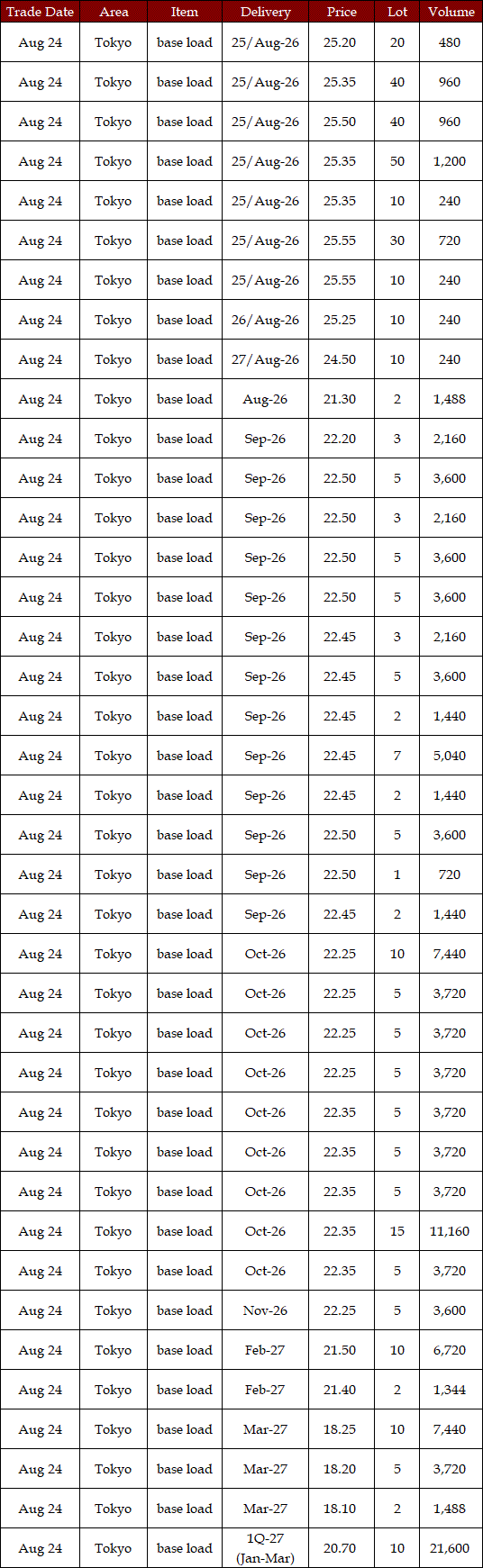
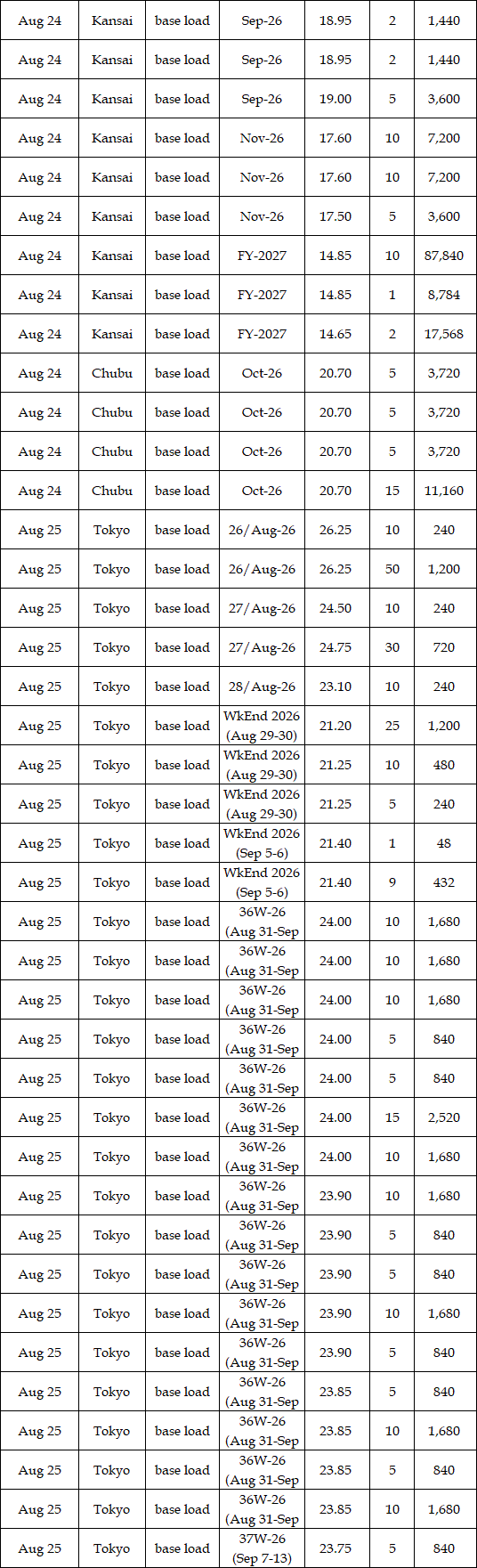
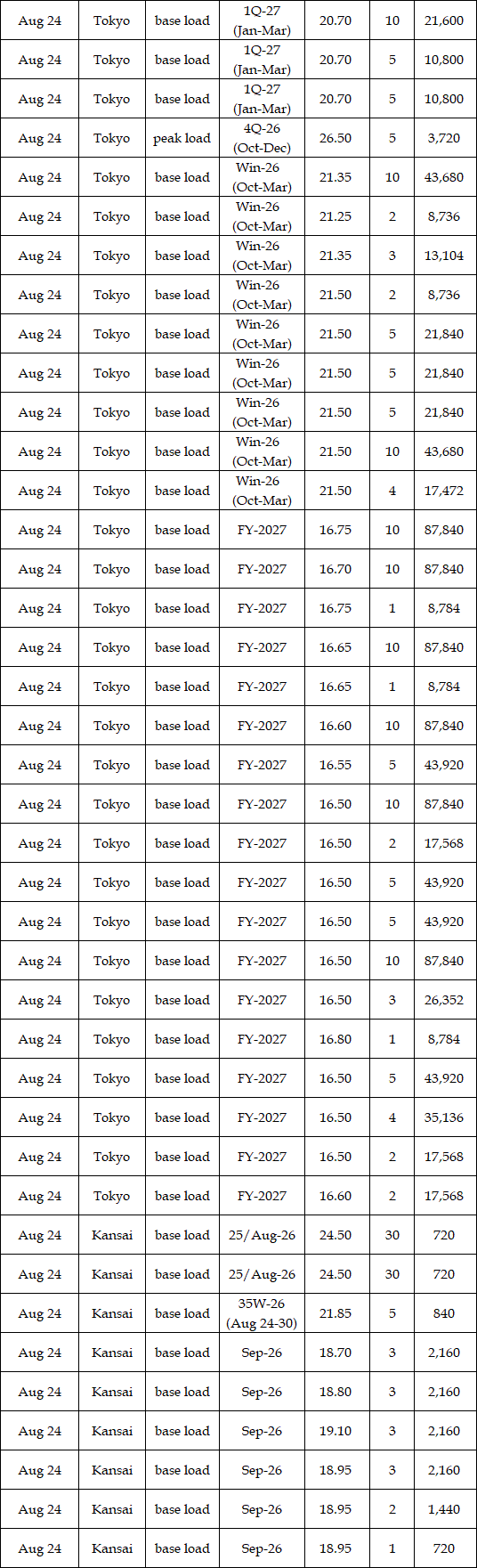
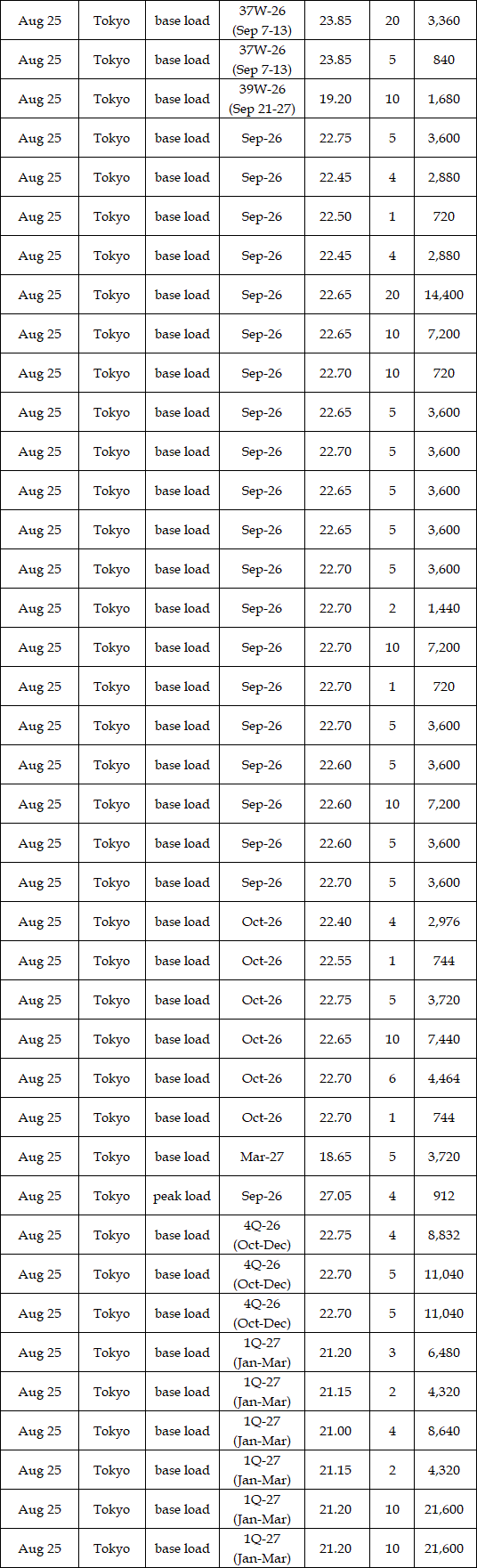
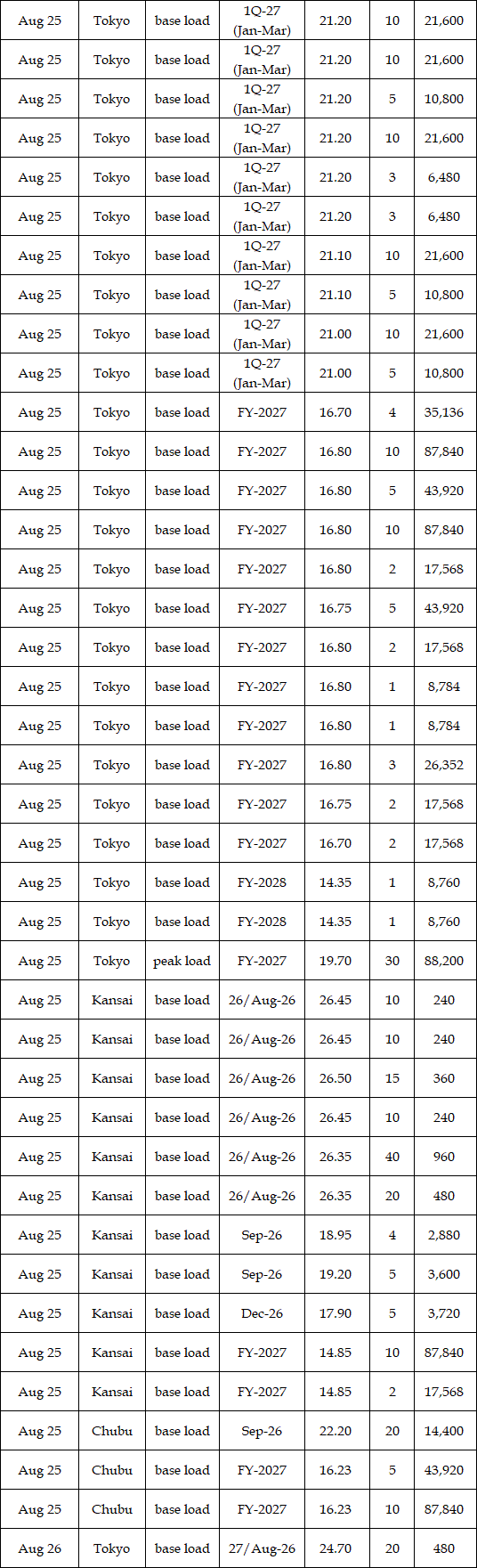
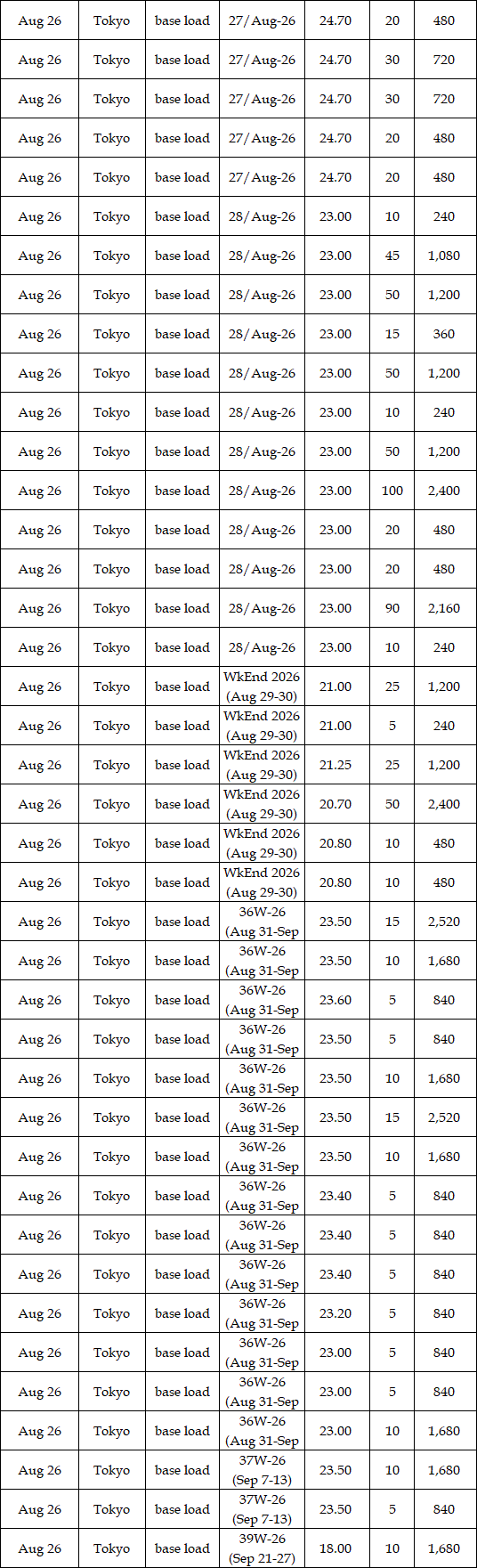
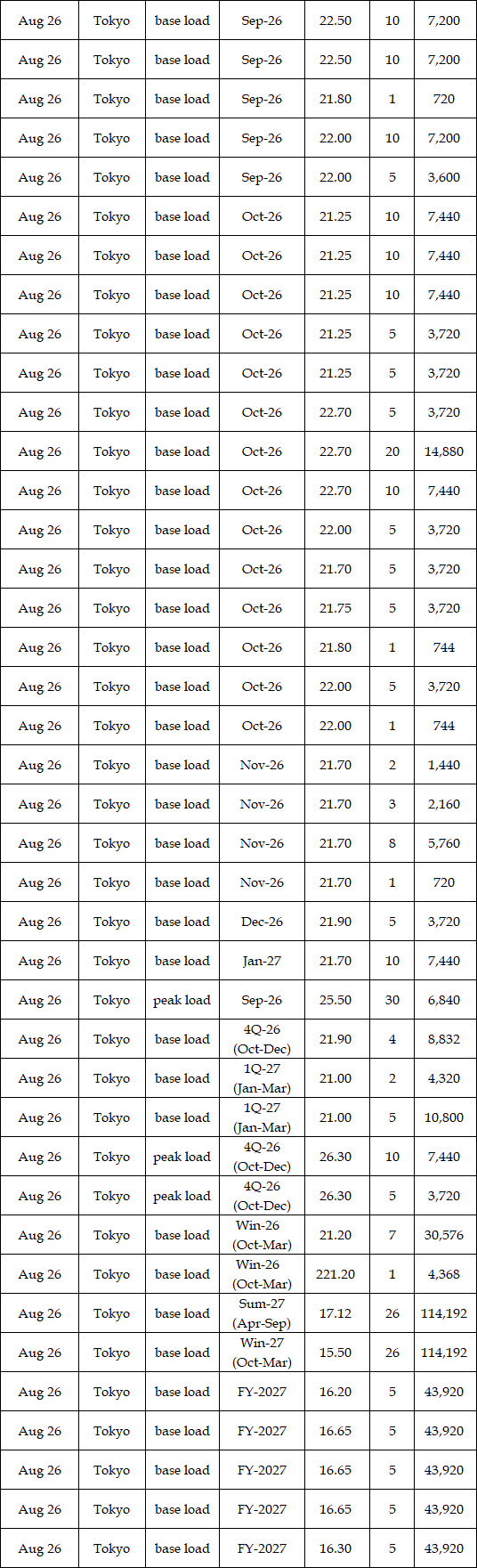
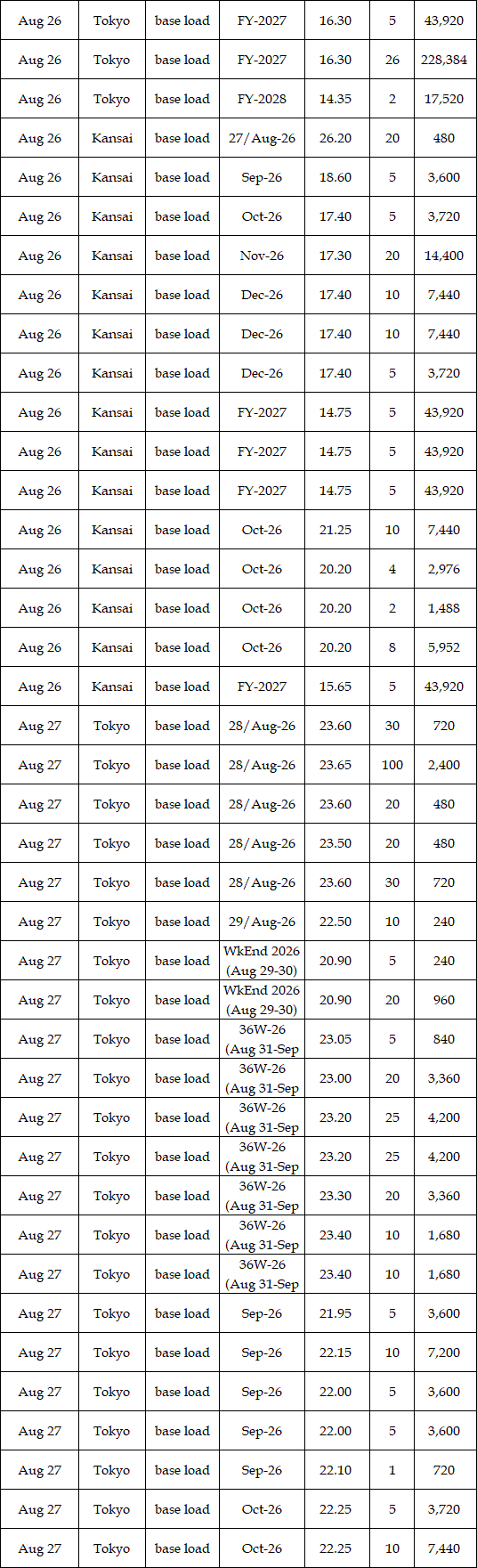
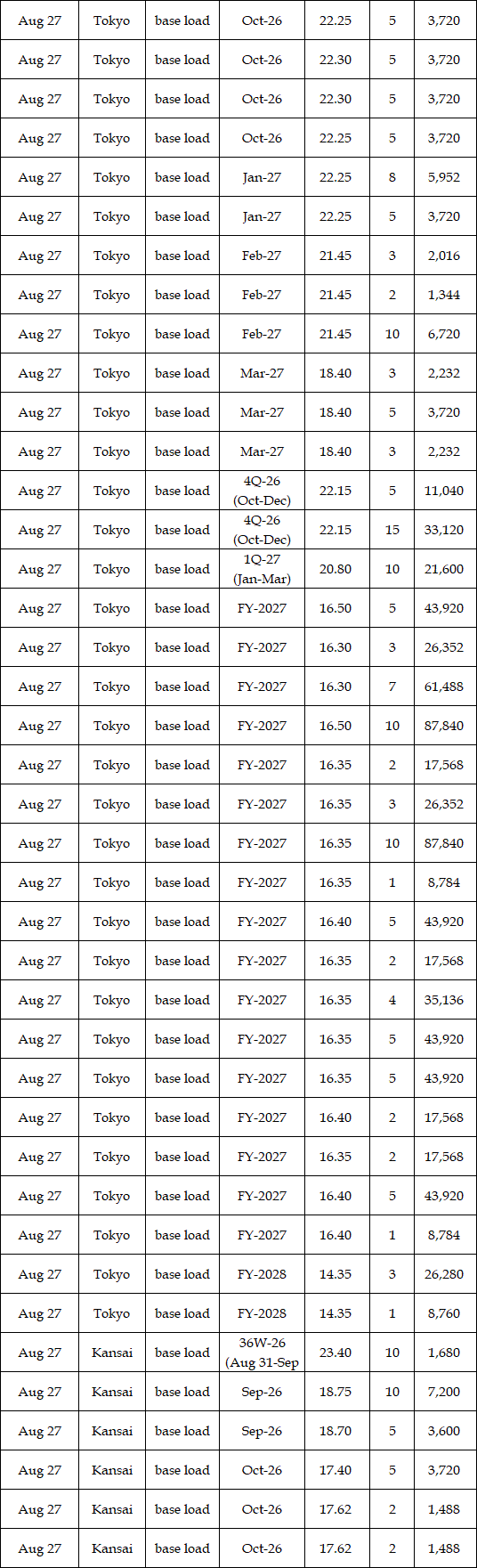
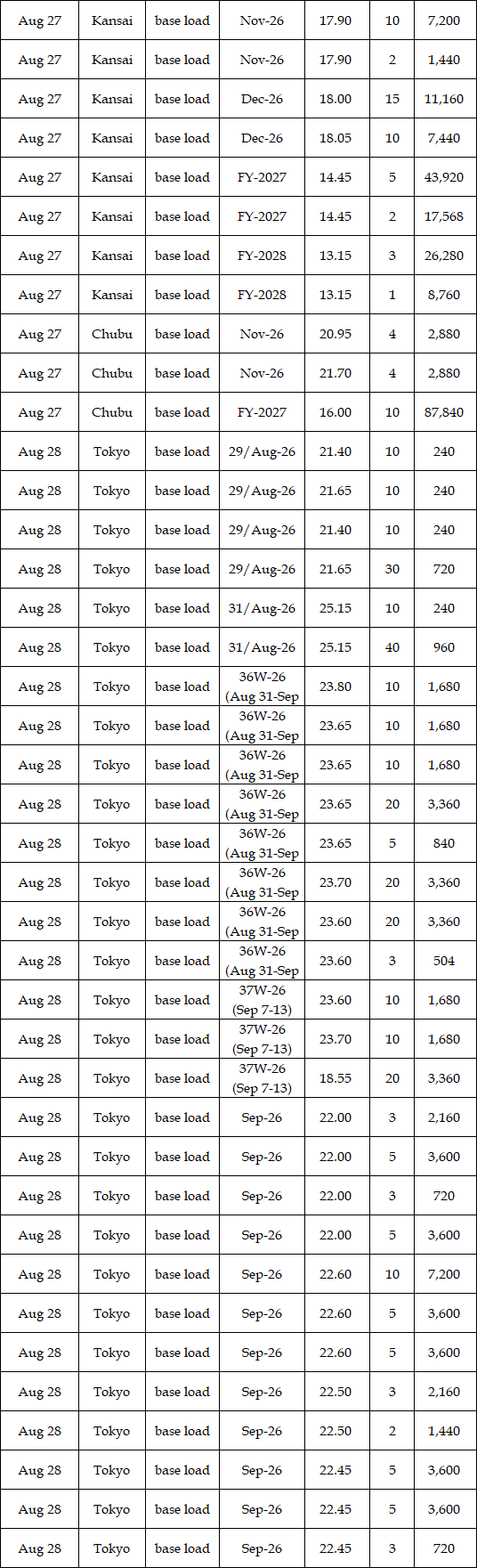
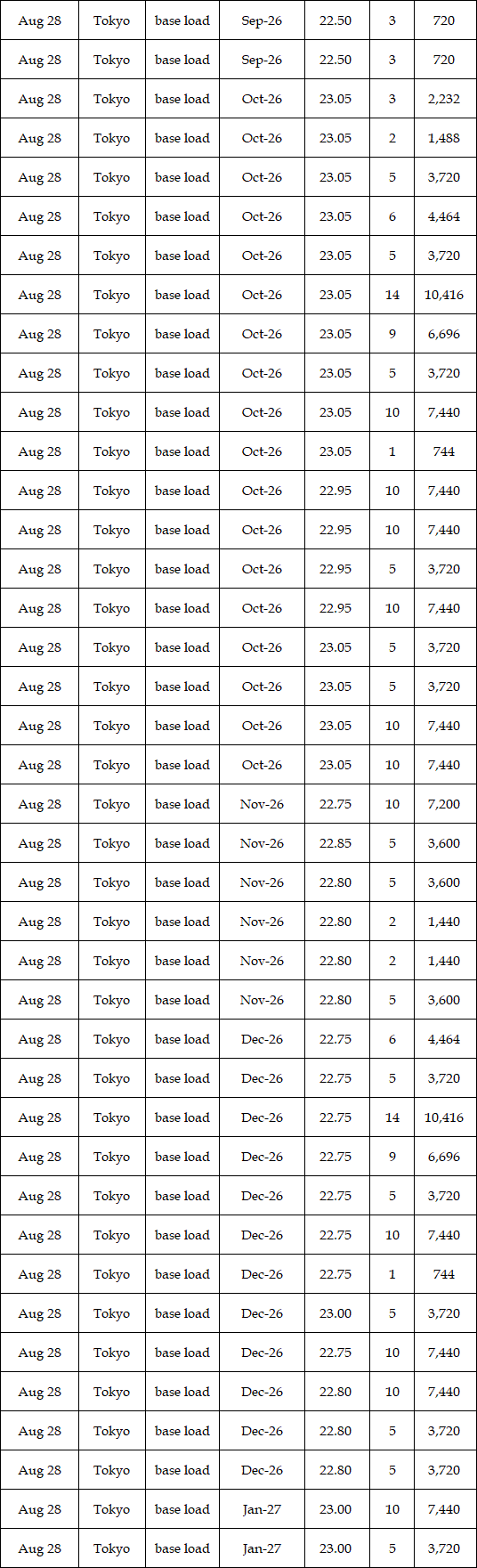
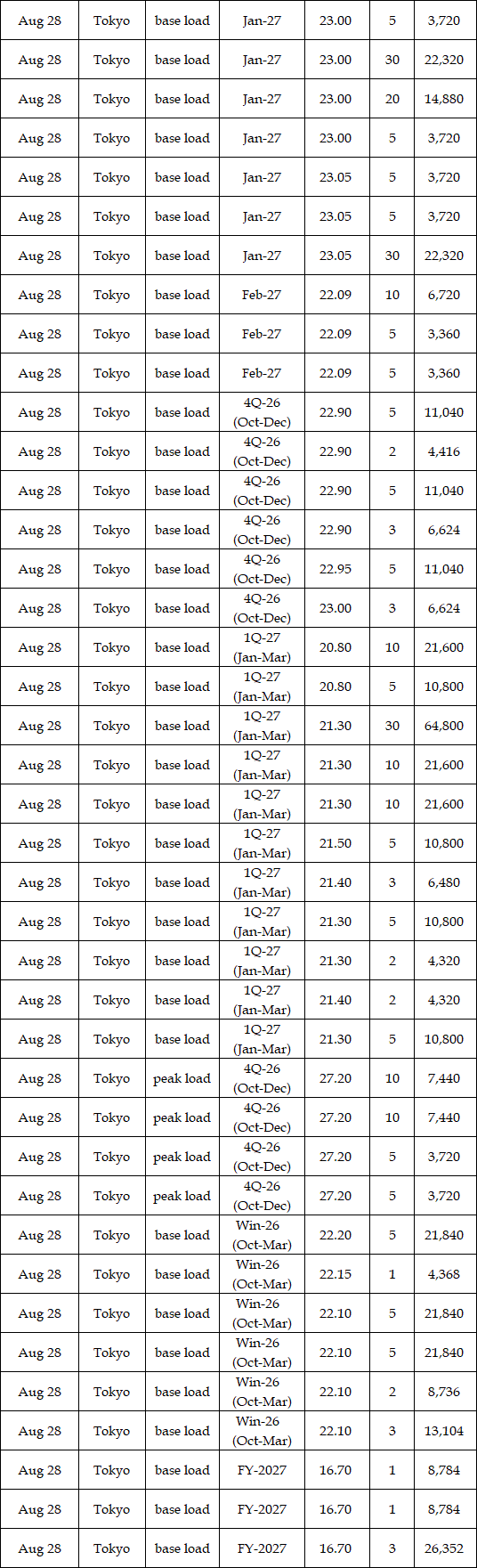
Deals reported on TOCOM (Tokyo Commodity Exchange) during Aug 24-28 were as below.
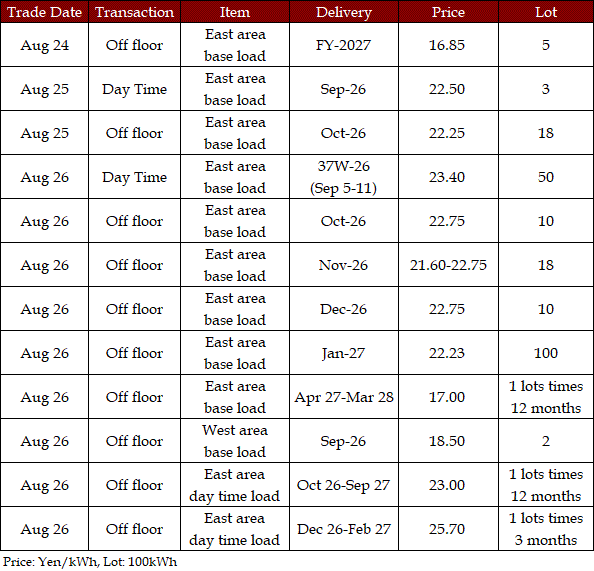
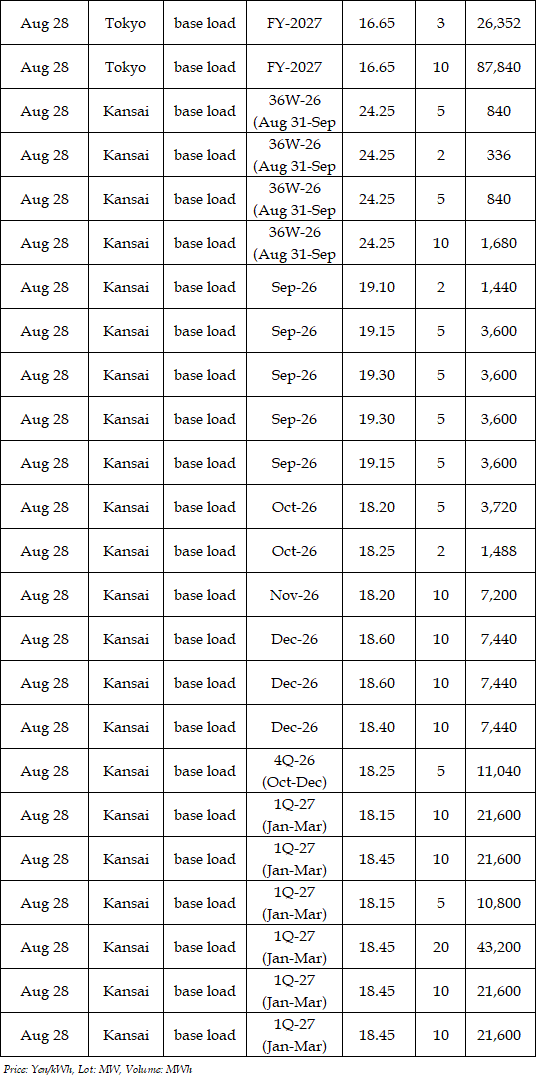
Deals reported on EEX (European Energy Exchange) during Aug 24-28 were as below.
Spot power prices for the first week of September are expected to remain at levels comparable to those seen in the final week of August. Intense heat--with temperatures exceeding 35°C--is forecast for regions from Kanto westward during the first half of the week, driving high demand for air conditioning. While the heat is expected to subside in the latter half of the week, supply margins are likely to tighten due to an increase in facilities shutting down for periodic inspections and a rise in instances of reduced power output. Consequently, the scope for price declines during the latter half of the week appears limited. Regarding price trends for the first week of September, a market trader at a new power company commented: "We anticipate base prices in the 25-yen range for both Tokyo and Kansai during the first half of the week, and in the 22-23 yen range for both regions in the second half; however, judging by current supply-demand dynamics, Kansai prices will likely continue to exceed those in Tokyo." There is also a prevailing view that prices in the Chubu region will continue to remain higher than those in Tokyo.
|
JEPX: System Price (Day Ahead 24 hours)
|
|
Weekday Price
|
24-Aug
|
25-Aug
|
26-Aug
|
27-Aug
|
28-Aug
|
|
24-Hour Ave
|
22.31
|
25.18
|
25.73
|
25.21
|
24.27
|
|
Volume (MWh)
|
1,350,847
|
1,452,237
|
1,500,220
|
1,432,277
|
1,397,022
|
|
(unit: yen per kWh) (date: delivery day)
|
|
|

|
 - Fair & Reliable -
 Post
Post Print
Print


