|
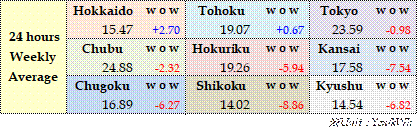
For the week of September 7-11, the weekly average of the 24-hour spot power price fell in both Eastern Japan (50 Hz) and Western Japan (60 Hz) compared to the previous week. This decline reflected a slowdown in buying interest driven by a drop in temperatures across the country. The price drop was particularly pronounced in Western Japan, where the market reacted sharply to the easing of the intense heat experienced in the preceding weeks.
Furthermore, price disparities between regions tended to widen due to increased market segmentation caused by maintenance work on interconnectors.
While the regional price relationship reversed--shifting from higher prices in the west and lower in the east to the opposite--the Chubu region continued to see prices exceeding those of Tokyo on several days. Base prices ranged from the 20-26 yen/kWh level for Tokyo, 22-27 yen/kWh for Chubu, and 12-21 yen/kWh for Kansai.
Looking at the 24-hour average price differences in the power spot markets between the major eastern (Tokyo) and western (Kansai) regions, prices were higher in the east than in the west by 5.80 yen on Sep 7, 5.48 yen on Sep 8, 7.32 yen on Sep 9, 8.55 yen on Sep 10, and 2.93 yen on Sep 11.
The following summarizes fuel market trends in the second week of September.
In the Northeast Asian LNG spot market, the price for October delivery reached the high $20s per mmBtu on September 11, marking a significant increase of approximately $4.20 from the end of the previous week (September 4). This represented the highest price level for a near-term contract since late December 2022. The worsening situation in the Middle East continued to be a major bullish factor; ongoing hostilities involving the U.S. and Iran are spreading their impact to other nations in the region. Additionally, increased demand from traders covering short positions further drove up prices. As of September 6, Japan's LNG inventories for power generation stood at 2.43 million tonnes, an increase of 60,000 tonnes from the previous week. This figure significantly exceeded both the 2.01 million tonnes recorded at the end of August last year and the five-year average of 2.12 million tonnes.
The price of thermal coal for loading at Newcastle, Australia, stood at $146.75 per tonne on September 11 for September-loading cargoes, down $1.90 from the $148.65 recorded at the end of the previous week (September 4). Consumption of power-generation coal declined as temperatures fell and the peak summer electricity demand season in China drew to a close. Prices also faced downward pressure as Chinese buyers became increasingly cautious about making spot purchases at high prices following the market rally seen in previous weeks. Additionally, the easing of supply disruptions caused by adverse weather in Australia--leading to a normalization of shipments from the Port of Newcastle--acted as a bearish factor.
On September 11, crude oil prices stood at $100.05 per barrel for the WTI contract for October 2026 delivery and $104.61 for the Brent contract for November 2026 delivery. These figures represented increases of $8.57 for WTI and $8.33 for Brent compared to the levels at the end of the previous week (September 4). Concerns intensified that the supply of Middle Eastern crude oil via the Strait of Hormuz would shrink further as the exchange of attacks between the United States and Iran escalated. Furthermore, the market became increasingly conscious of supply disruption risks following a series of incidents, including attacks on Saudi Arabian energy facilities by the Iran-backed Houthi movement and attacks on oil tankers involving the United States and Iran. On Sep 10, the near-term WTI crude oil futures contract rose to the $100-per-barrel range at the close of trading--a level not seen since May.
The prevailing high price for the week was 34.98 yen, recorded in Tokyo, Chubu, Hokuriku on September 8. Meanwhile, the prevailing low price was 0.01 yen, recorded in Shikoku on September 10.
The weekly average of the 24-hour spot prices by area and the weekly average volume of offers, bids, and trades are shown in the table below.

Power demand in nine areas of Japan during Sep 7-14 was 11,701.37 mil kWh, down 9.5% from 12,927.42 mil kWh during Aug 31-Sep 4. The figure was down 14.8% from the corresponding period a year earlier, which was 13,726.17 kWh during Sep 8-15, 2025, after day-of-week adjustment.
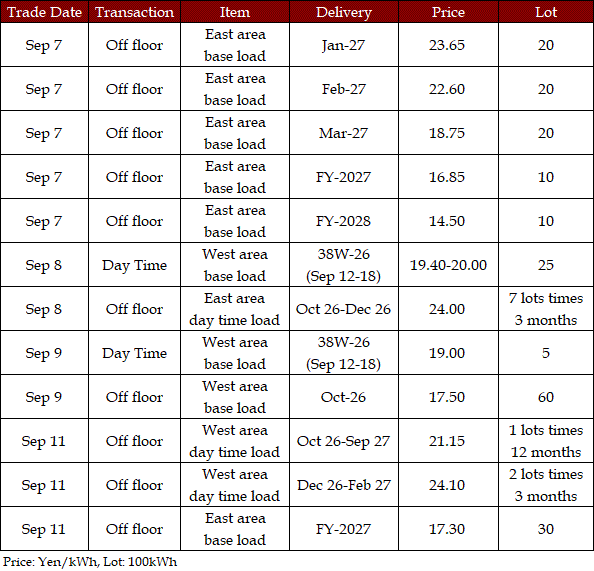
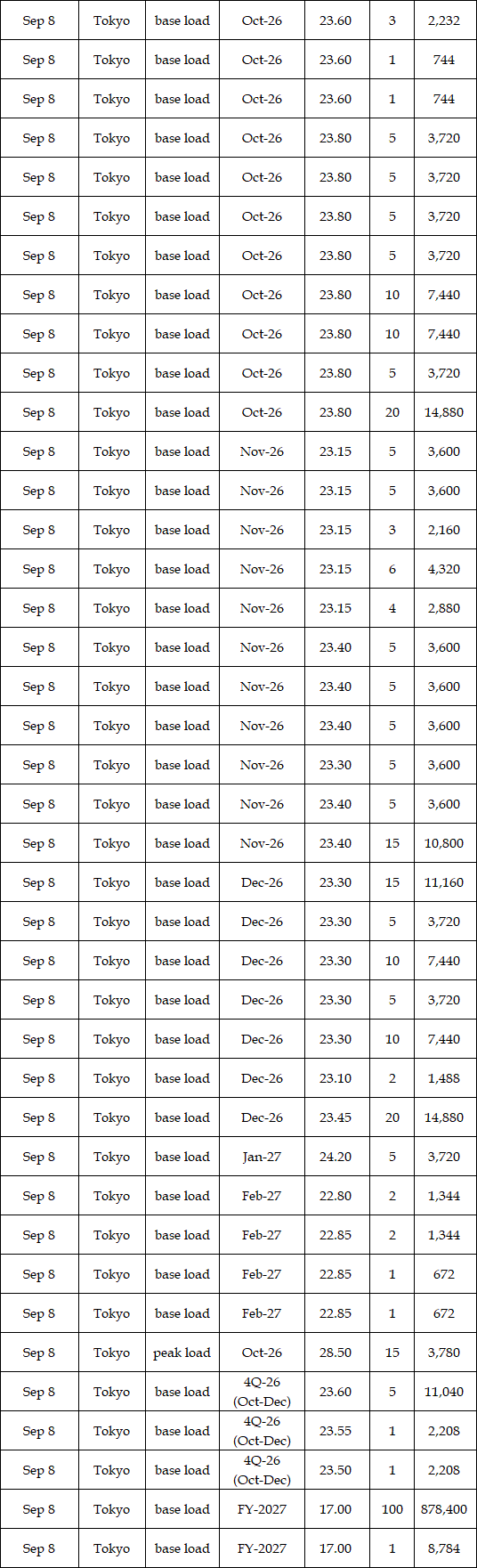
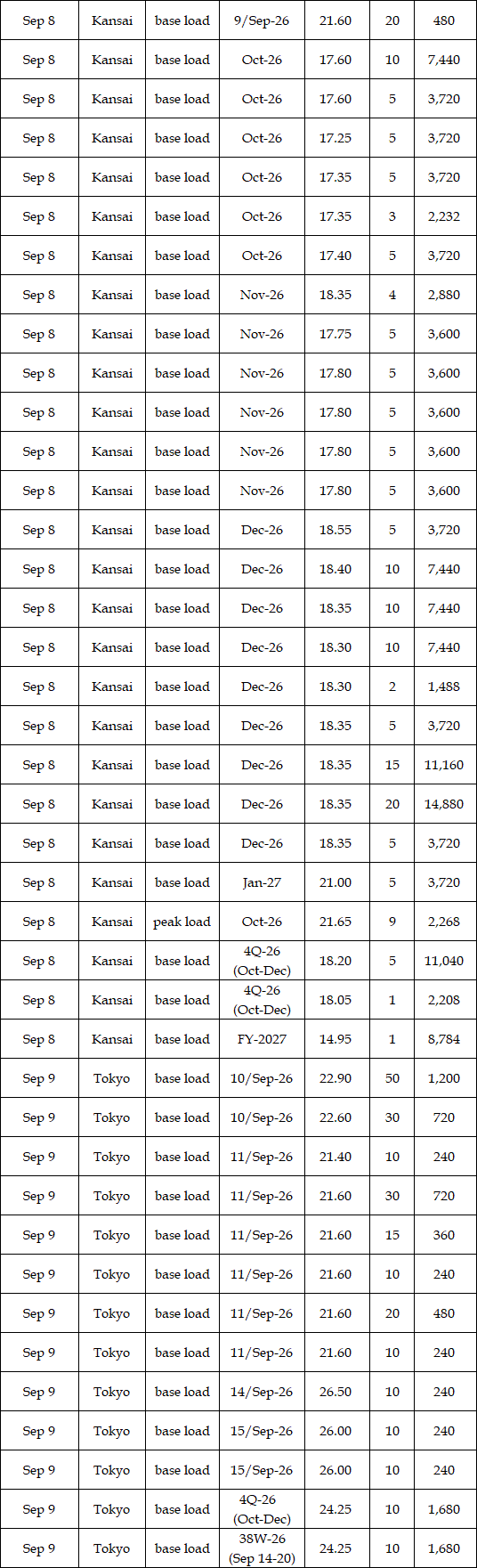
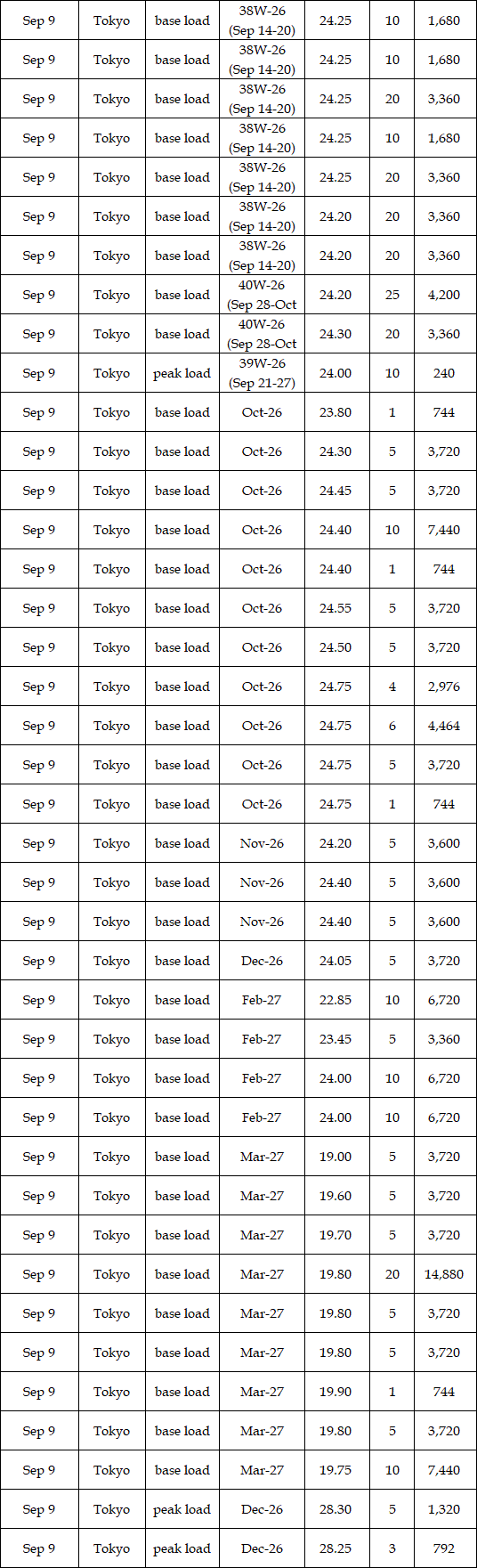
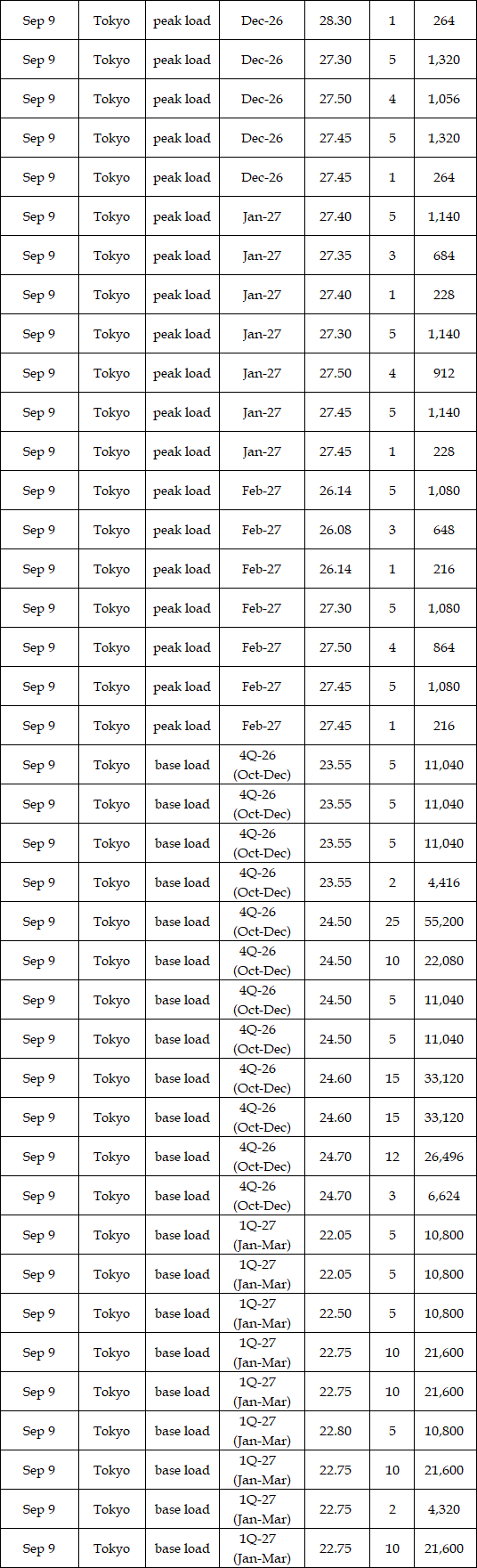
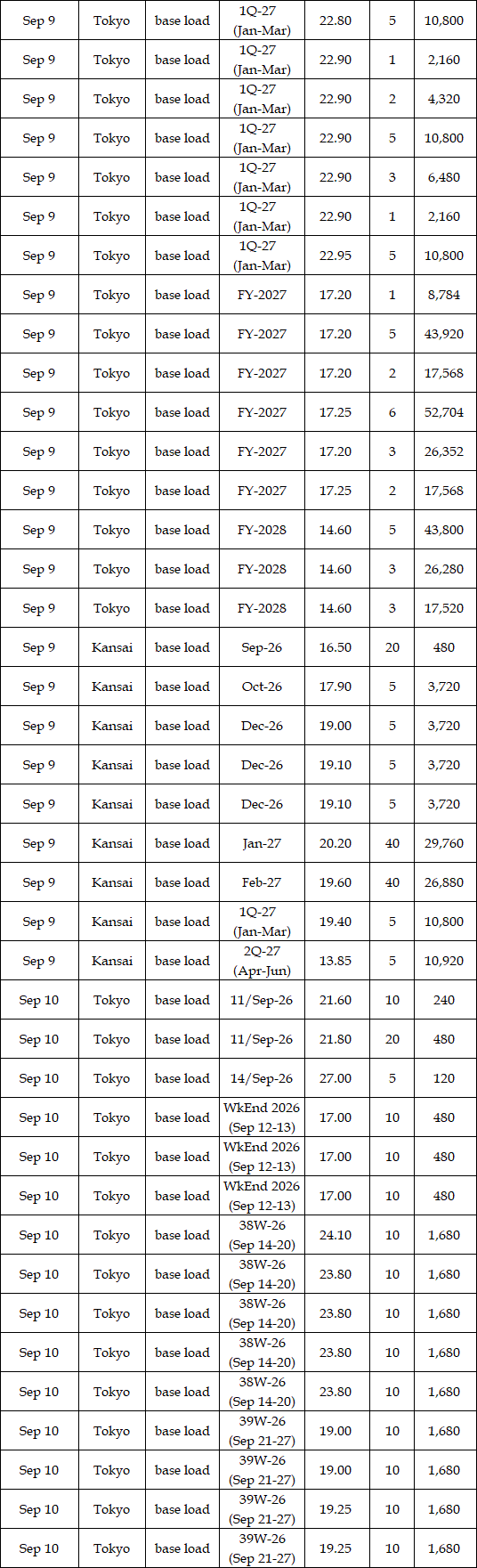
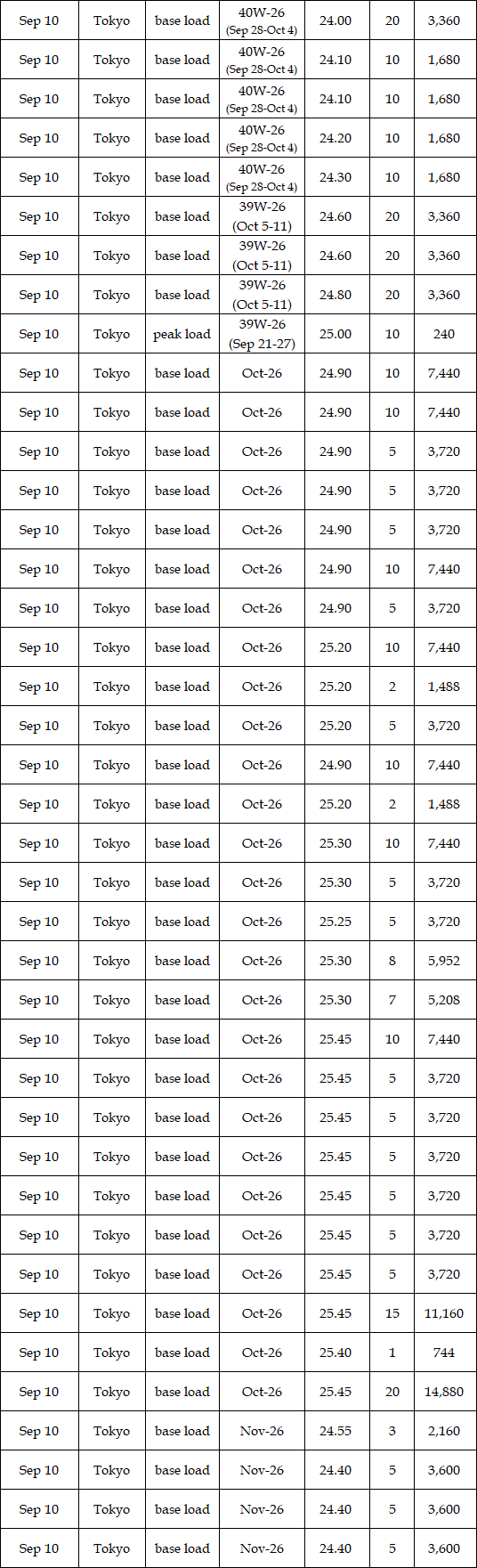
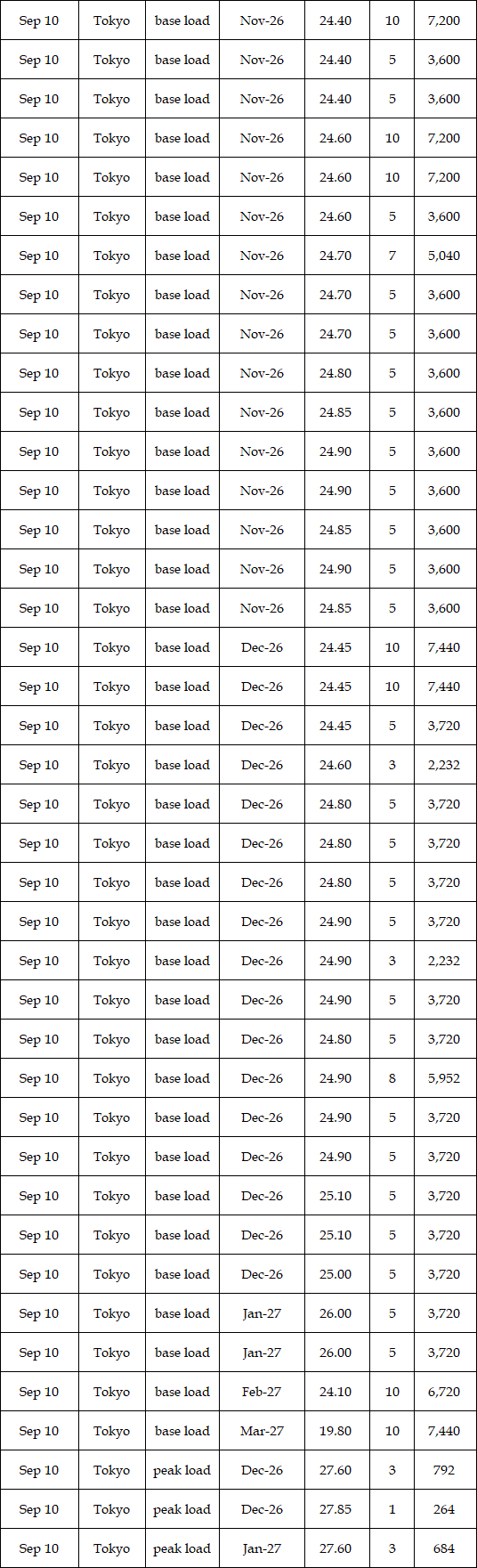
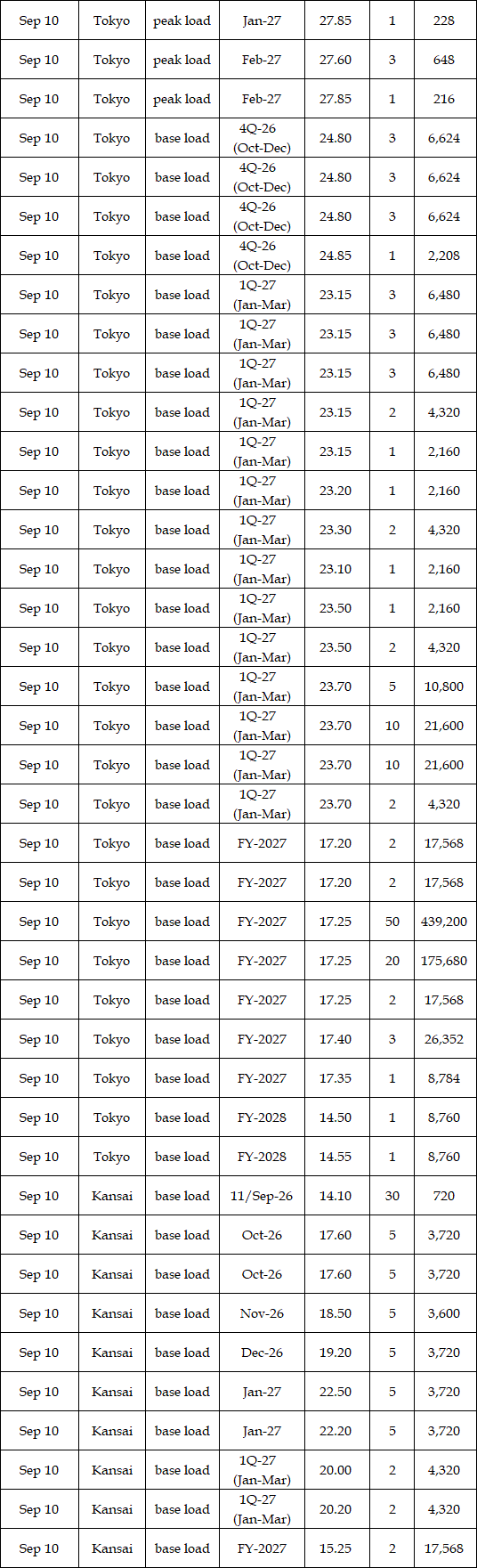
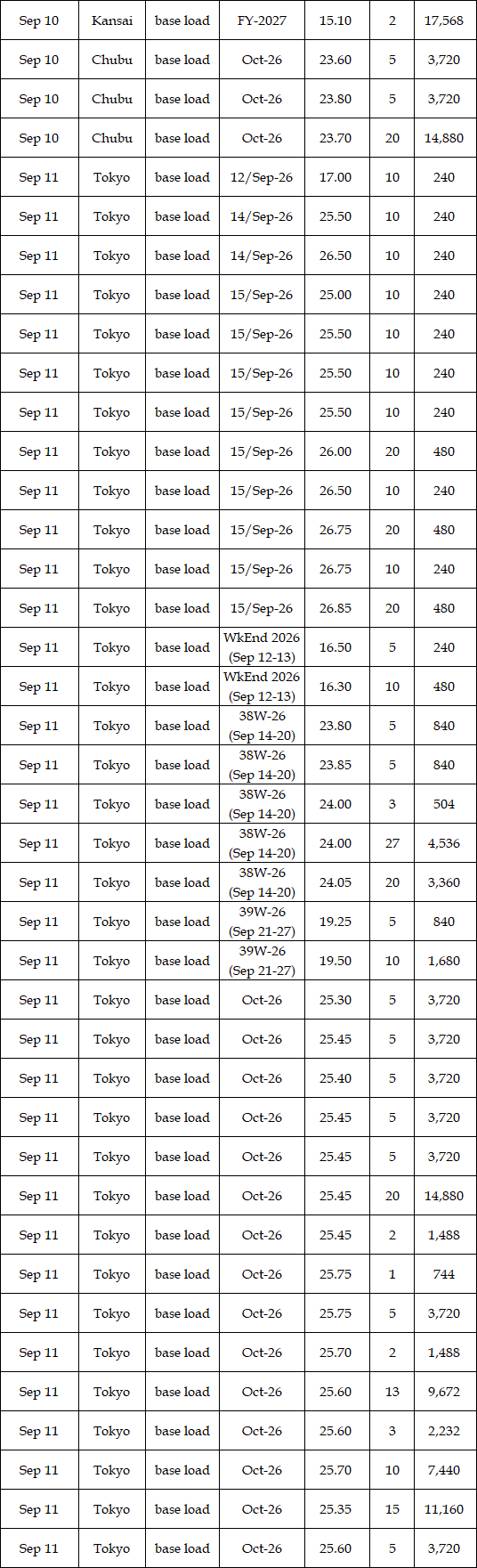
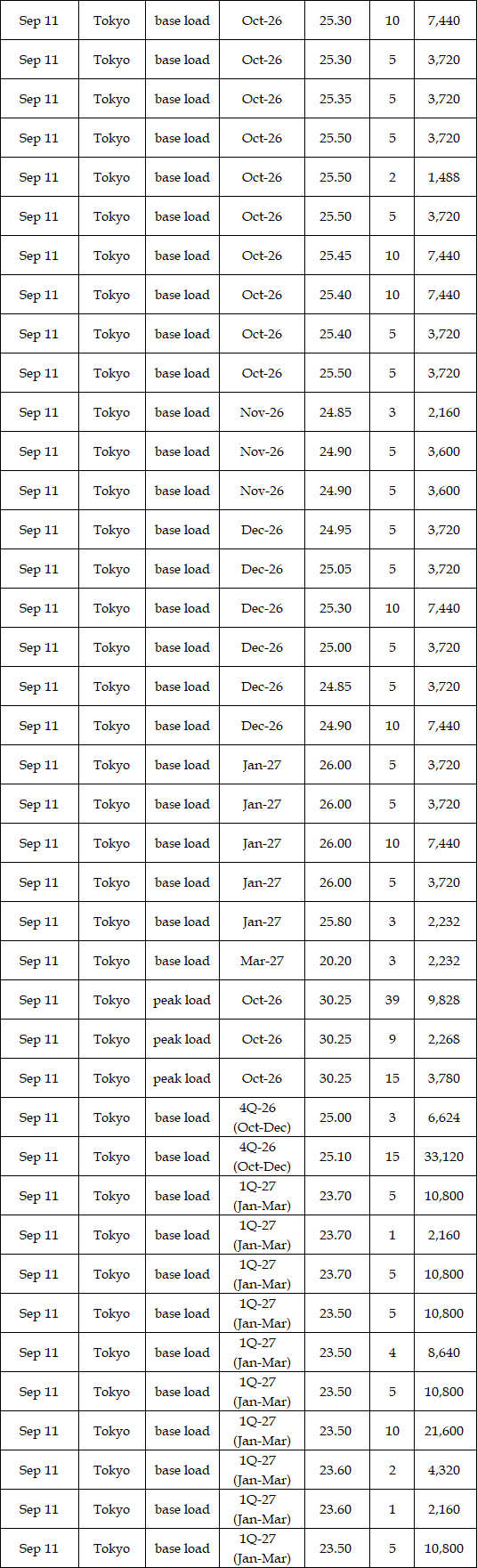
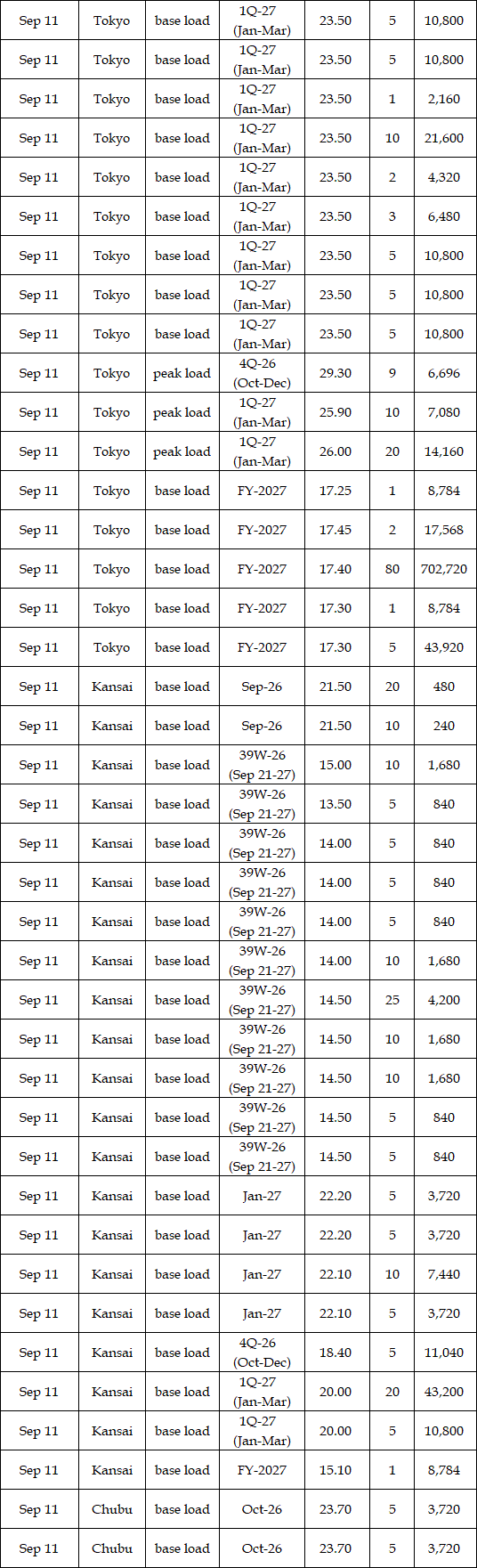
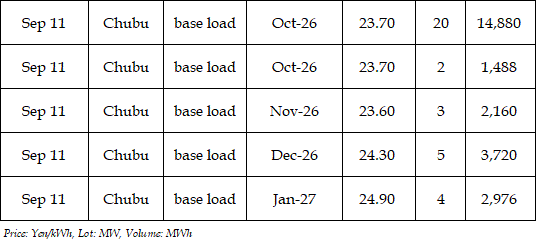
Deals reported on TOCOM (Tokyo Commodity Exchange) during Sep 7-11 were as below.
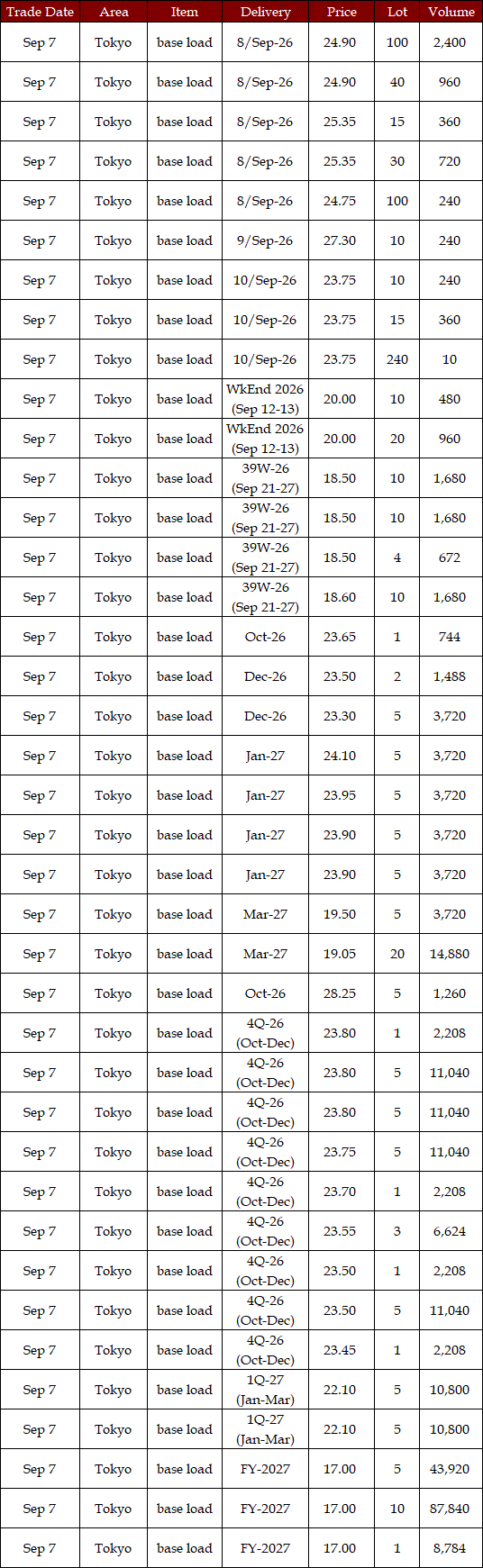
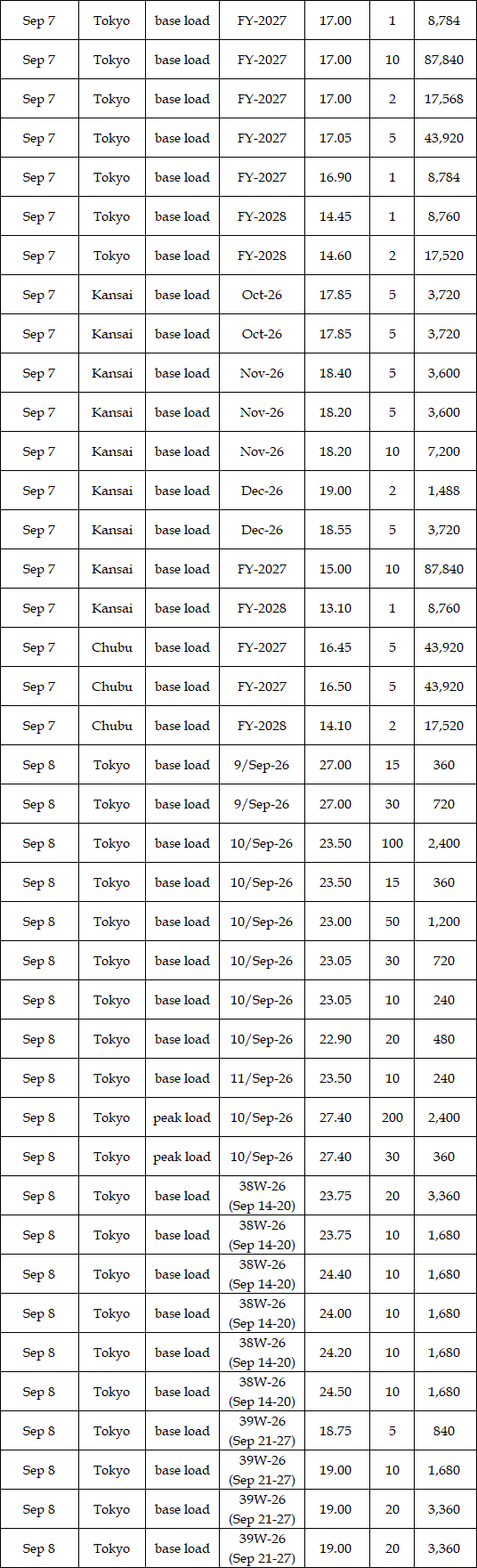
Deals reported on EEX (European Energy Exchange) during Sep 7-11 were as below.
Power spot prices for the third week of September are expected to trend at levels higher than those seen in the second week. As previously noted, temperatures during the second week were generally mild nationwide--with some days in the Kanto region feeling like late October--keeping price gains in check. In contrast, the third week is expected to see higher temperatures in many areas; for instance, the Kanto region will likely experience highs exceeding 30°C again. This rise in temperature is anticipated to boost cooling demand, thereby influencing price trends.
Regarding price movements for the third week of September, some market participants--including a trader from a new power company--project rates of "24-25 yen for Tokyo and 20-21 yen for Kansai." They view the scheduled start of adjustment operations for the Mihama Unit 3 reactor on Sep 15 as a factor likely to cap price increases, particularly in the Kansai region. Meanwhile, the prevailing view is that prices in the Chubu region will continue to exceed those in Tokyo.
|
JEPX: System Price (Day Ahead 24 hours)
|
|
Weekday Price
|
7-Sep
|
8-Sep
|
9-Sep
|
10-Sep
|
11-Sep
|
|
24-Hour Ave
|
21.04
|
24.13
|
21.61
|
16.33
|
17.60
|
|
Volume (MWh)
|
1,176,575
|
1,239,968
|
1,204,772
|
1,148,128
|
1,119,263
|
|
(unit: yen per kWh) (date: delivery day)
|
|
|

|
 - Fair & Reliable -
 Post
Post Print
Print


