|
The weekly average of 24-hour spot power prices for delivery from September 14 to 18 rose in eastern Japan (50 Hz) from the previous week, while prices in western Japan (60 Hz) continued to decline.
In eastern Japan, lingering summer heat boosted electricity demand, while cloudy and rainy weather associated with a weather front reduced solar power generation, resulting in higher residual demand. This put upward pressure on spot prices. In addition, an increase in market splitting, including between the Tohoku and Tokyo areas, made it more difficult for price differentials between regions to narrow, providing further support to prices in eastern Japan.
In western Japan, meanwhile, prices declined in line with a fall in the system price. Market splitting, including between the Chubu and Kansai areas, also limited the transmission of higher prices from eastern Japan. As a result, week-on-week declines were particularly pronounced in the Hokuriku, Chugoku and Shikoku areas.
The difference between the 24-hour average spot prices in Tokyo and Kansai, the key markets in eastern and western Japan, showed Tokyo trading above Kansai throughout the week. The price differential was 3.22 yen/kWh on Sep 14, 9.15 yen/kWh on Sep 15, 8.11 yen/kWh on Sep 16, 5.33 yen/kWh on Sep 17 and 6.28 yen/kWh on Sep 18.
The following summarizes fuel market trends in the third week of September.
In the Northeast Asian LNG spot market, cargoes for delivery in November 2026 were assessed in the low $27s/mmBtu on September 18, down about $2.90/mmBtu from September 11.
In the previous week, geopolitical risk premiums had increased amid escalating tensions between the United States and Iran and concerns over LNG supply from the Middle East via the Strait of Hormuz. However, excessive supply concerns eased somewhat on expectations for diplomatic talks involving Iran. High prices also discouraged buying by Asian consumers, putting downward pressure on the market.
Meanwhile, constraints on LNG supplies from the Middle East persisted, limiting the downside for prices.
Japan's LNG inventories for power generation stood at 2.49 million tonnes as of September 13, up 70,000 tonnes from the previous week. Inventories were well above both the 1.65 million tonnes recorded at the end of September last year and the five-year average of 2.05 million tonnes.
Australian Newcastle thermal coal prices declined, with the September 2026 contract settling at $144.00/mt on September 18, down $2.75 from $146.75/mt on September 11.
Natural gas prices, which had surged amid heightened tensions in the Middle East, fell back during the week, reducing coal's relative cost advantage as a fuel for power generation and weighing on the market. Crude oil prices also declined in the latter half of the week, while some of the geopolitical risk premium that had been priced into energy markets amid concerns over Middle Eastern supply disruptions receded, adding further downward pressure.
Meanwhile, import demand from India and demand for seaborne coal from China provided support to the market, limiting the extent of the decline.
Crude oil prices ended September 18 at $100.03/bbl for the October 2026 WTI contract and $103.87/bbl for the November 2026 Brent contract. Compared with September 11, WTI was down $0.02/bbl, while Brent was up $0.74/bbl.
Prices rose in the first half of the week amid concerns over potential supply disruptions as tensions in the Middle East escalated. In the latter half of the week, however, supply concerns eased somewhat, prompting prices to retreat as the geopolitical risk premium narrowed.
Nevertheless, persistent uncertainty surrounding the Strait of Hormuz limited the downside for crude oil prices.
The highest spot price recorded during the week was ¥36.02/kWh in both the Tokyo and Chubu areas on September 14.
The lowest spot price was ¥0.01/kWh, recorded in the Shikoku area on September 14 and in the Chugoku, Shikoku and Kyushu areas on September 17.
The weekly average of the 24-hour spot prices by area and the weekly average volume of offers, bids, and trades are shown in the table below.
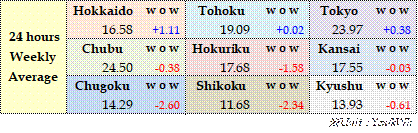

Power demand across Japan's nine regions totaled 11.730319 billion kWh during September 14-18, up 0.2% from 11.701372 billion kWh during the previous week of September 7-11.
On a year-on-year basis, demand fell 12.4% from 13.385611 billion kWh during the comparable weekday period of September 15-19 last year.
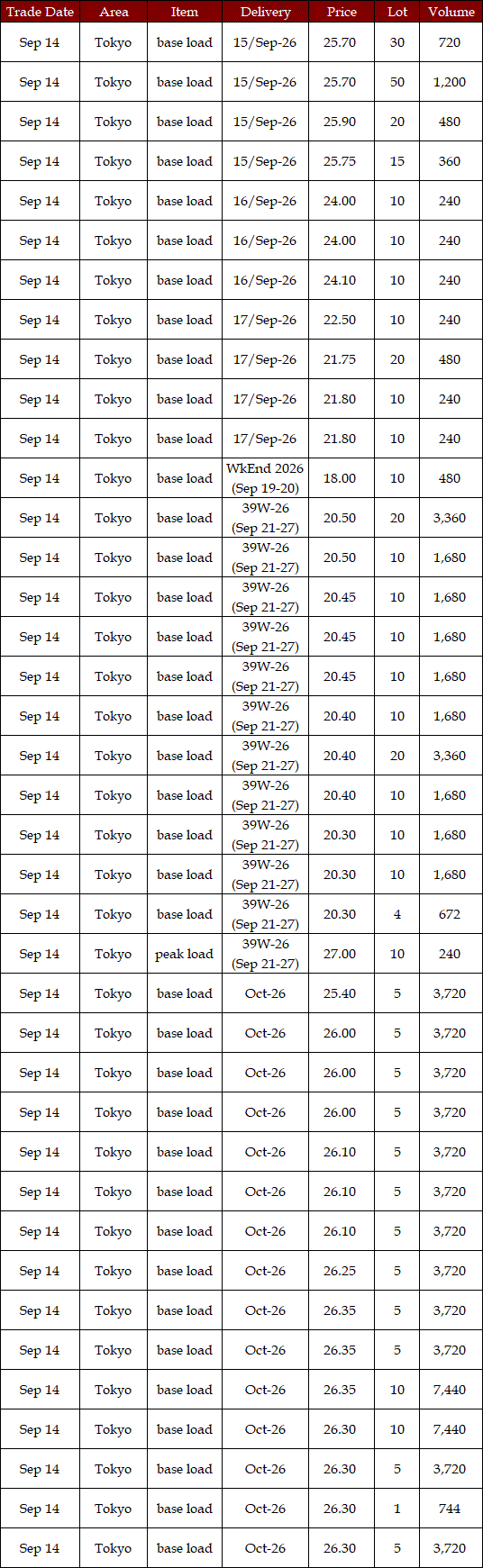
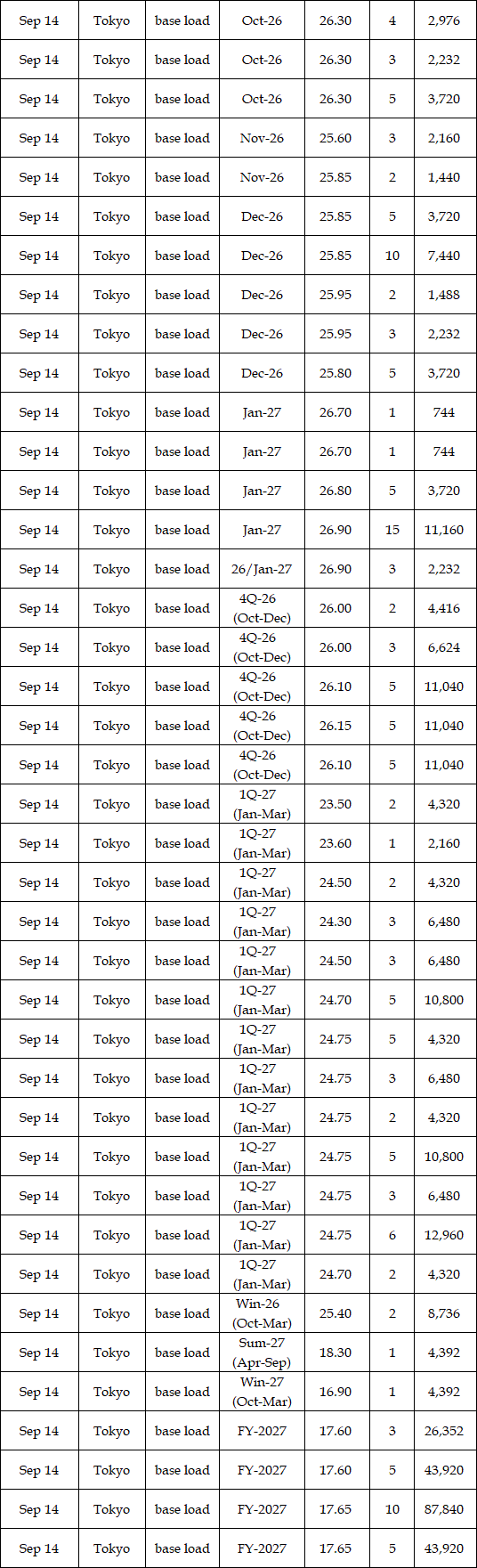
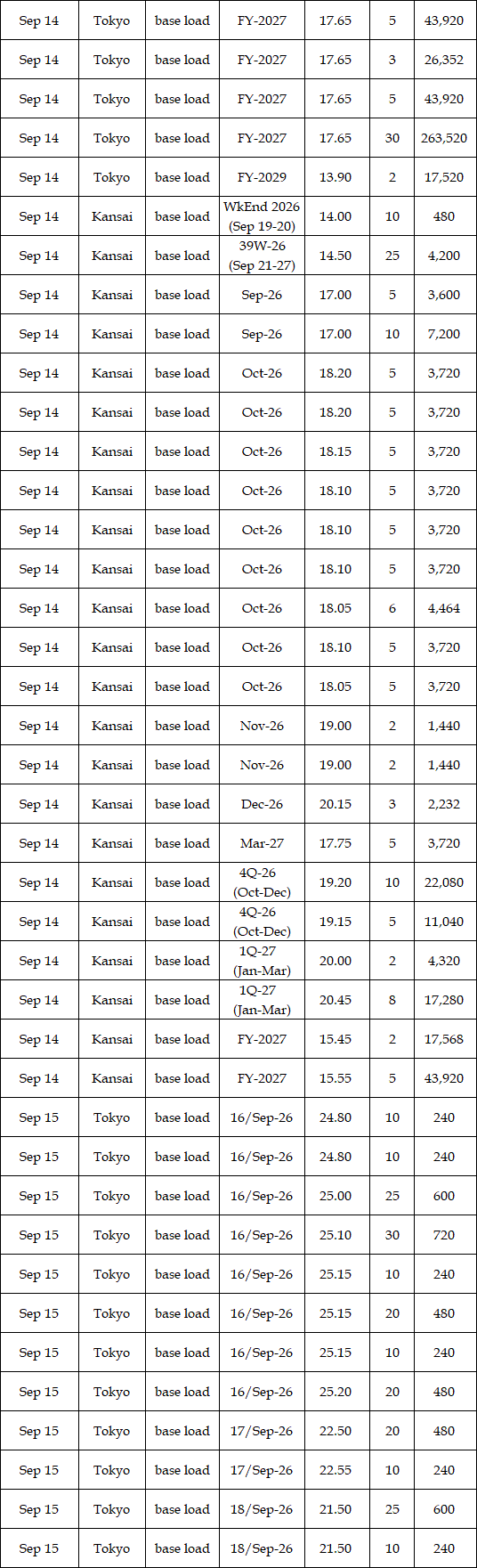
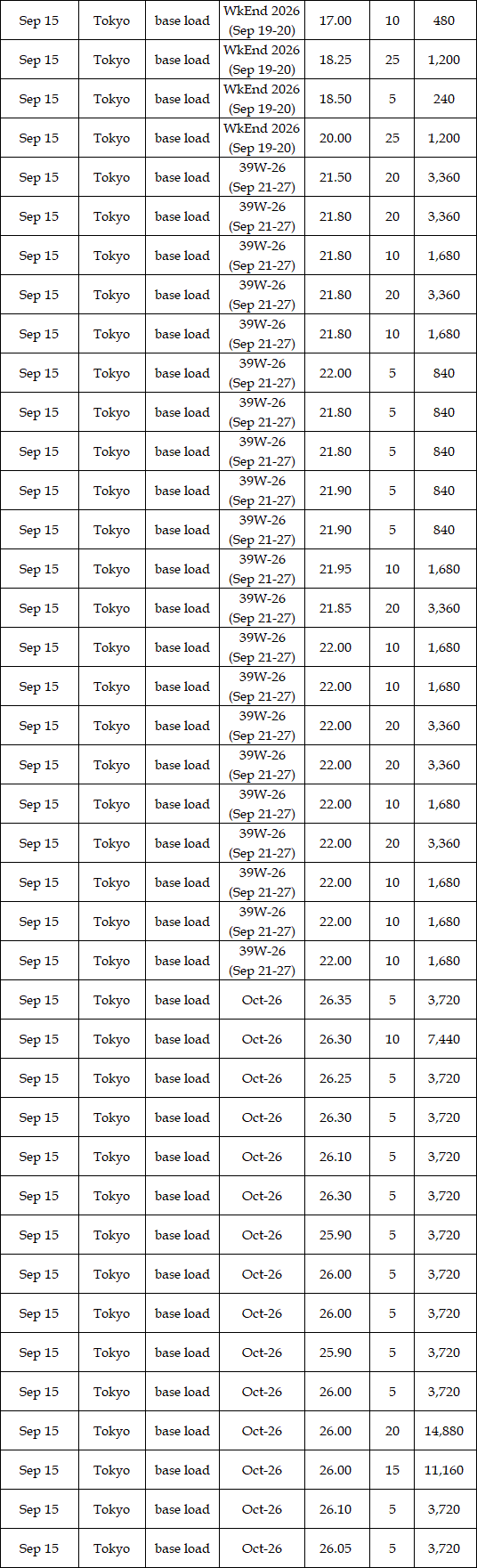
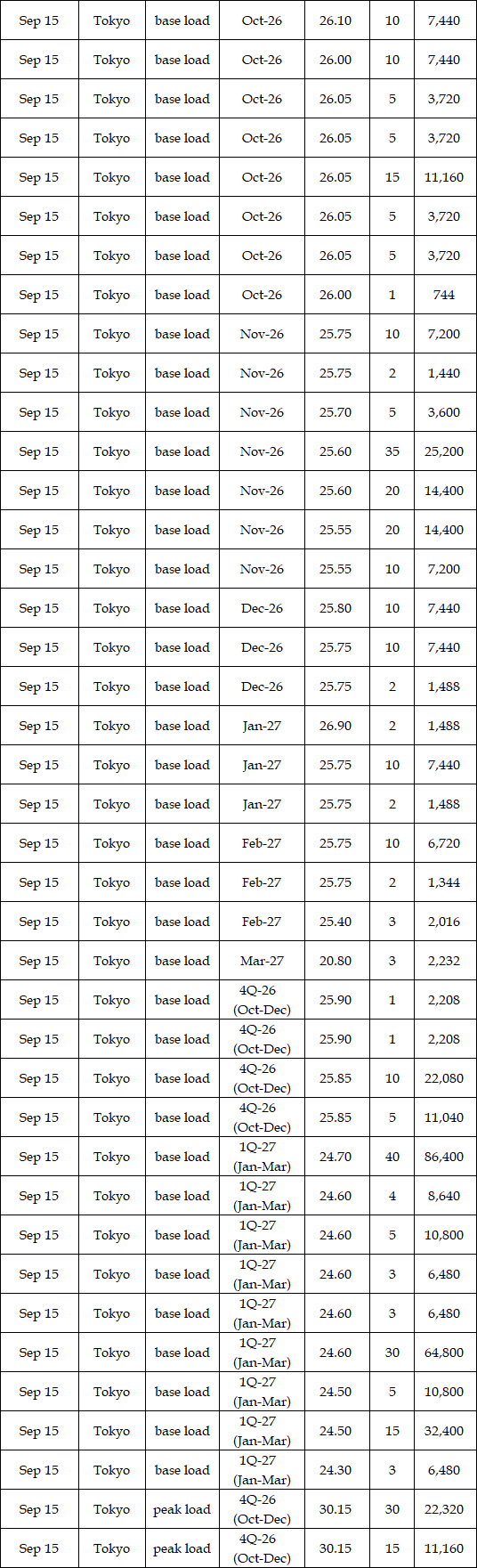
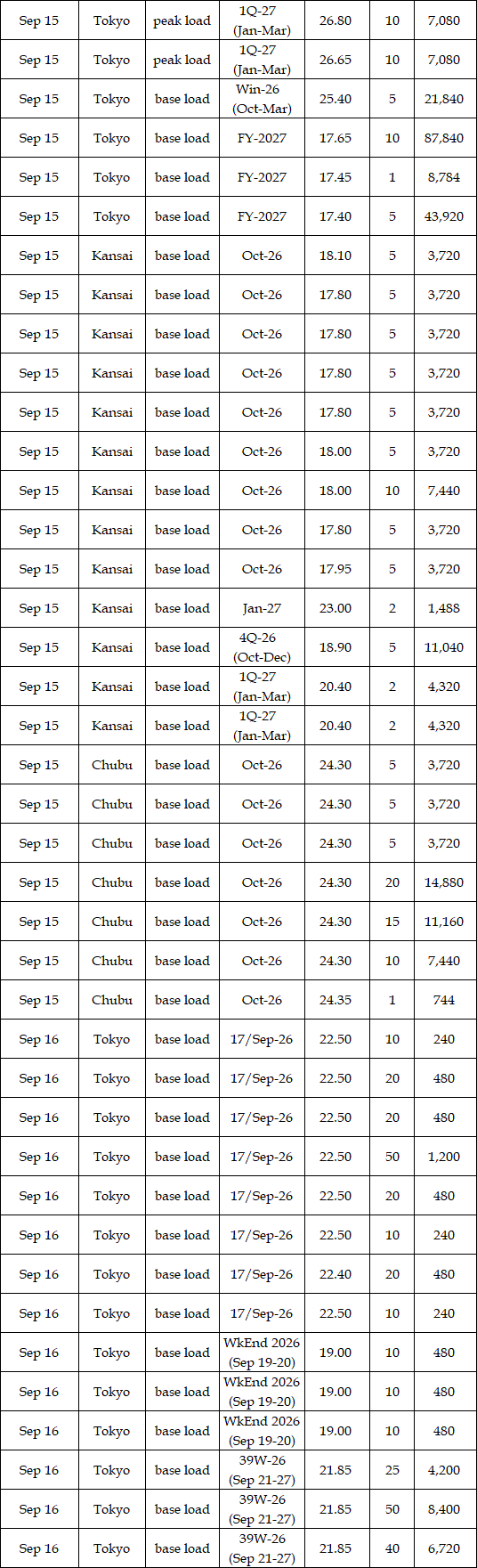
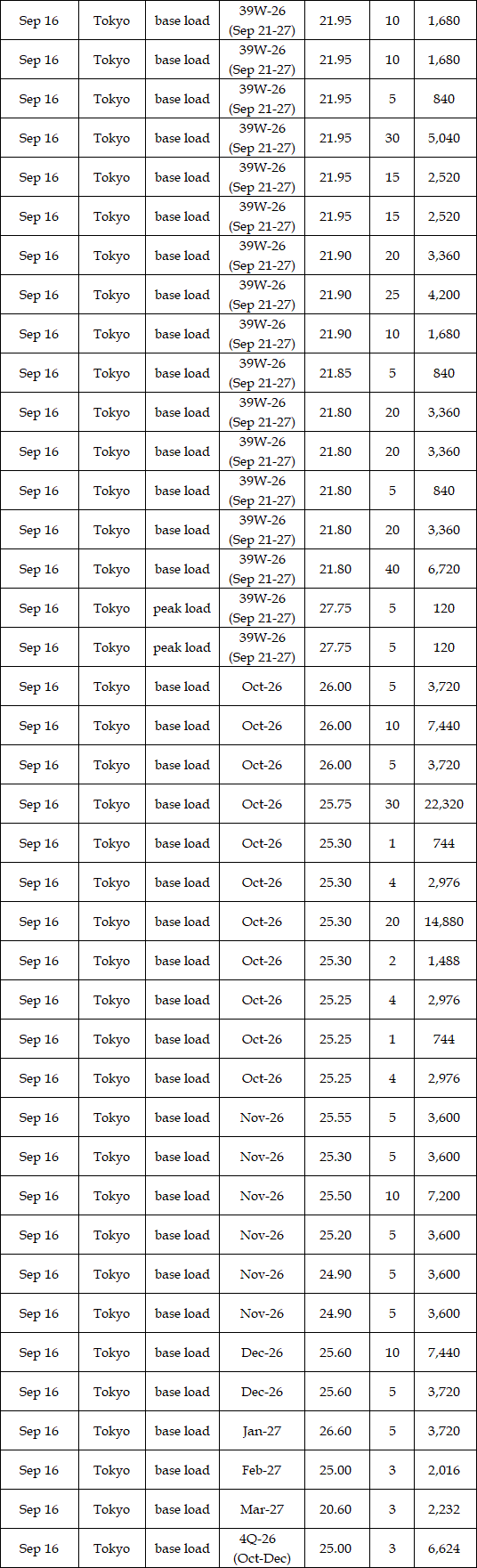
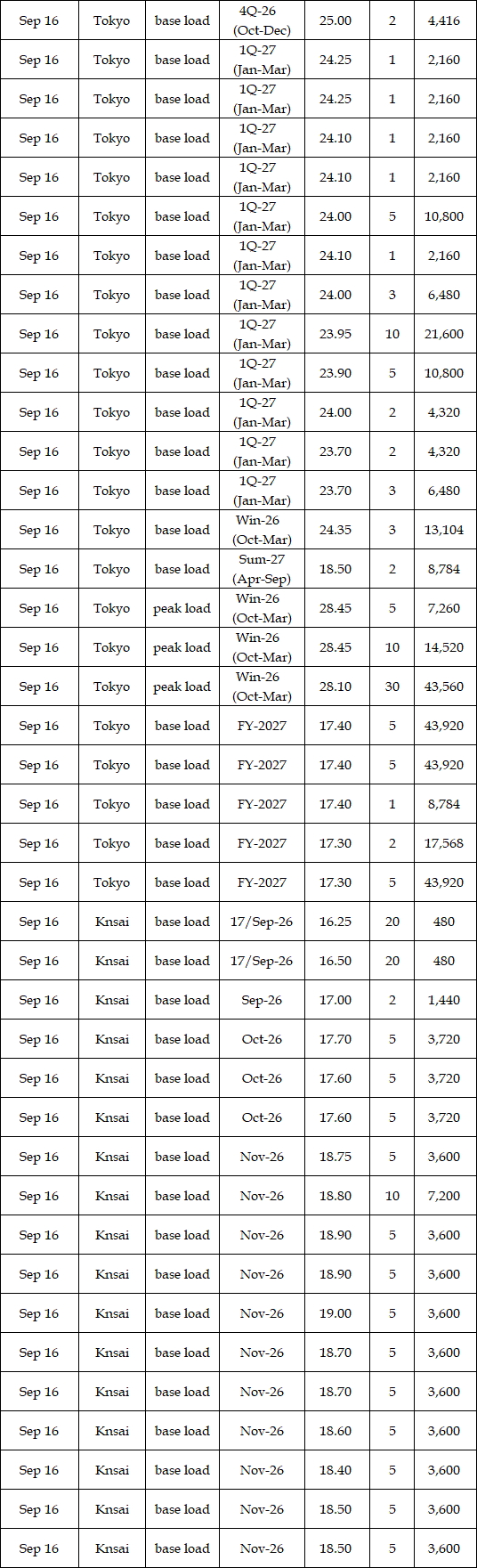
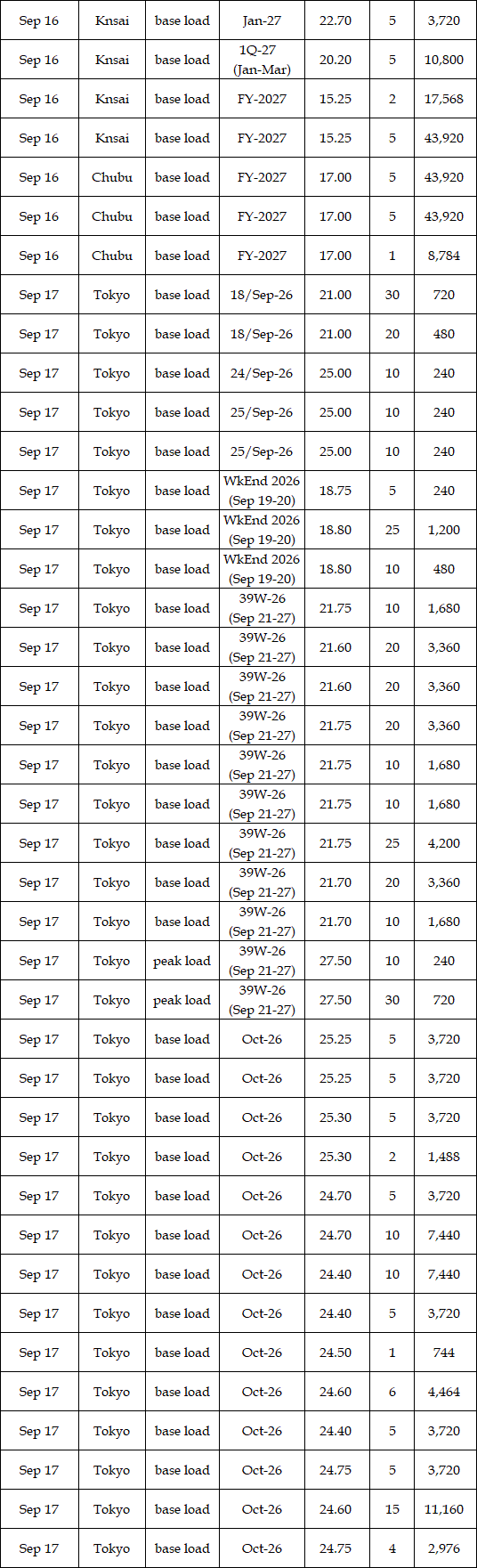
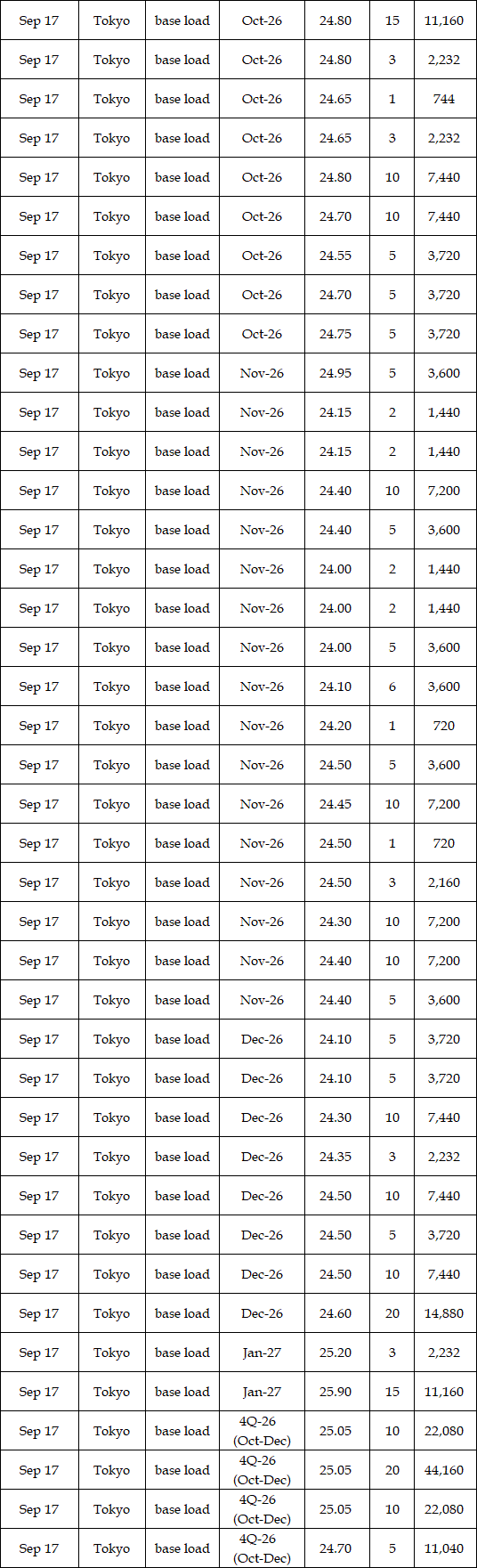
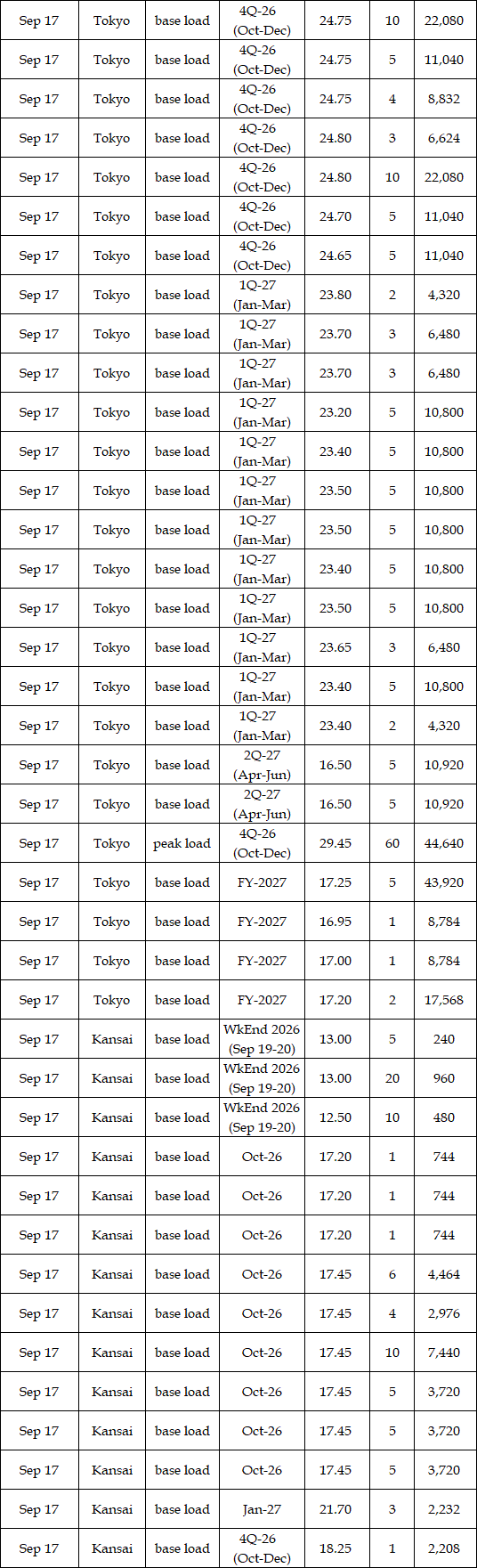
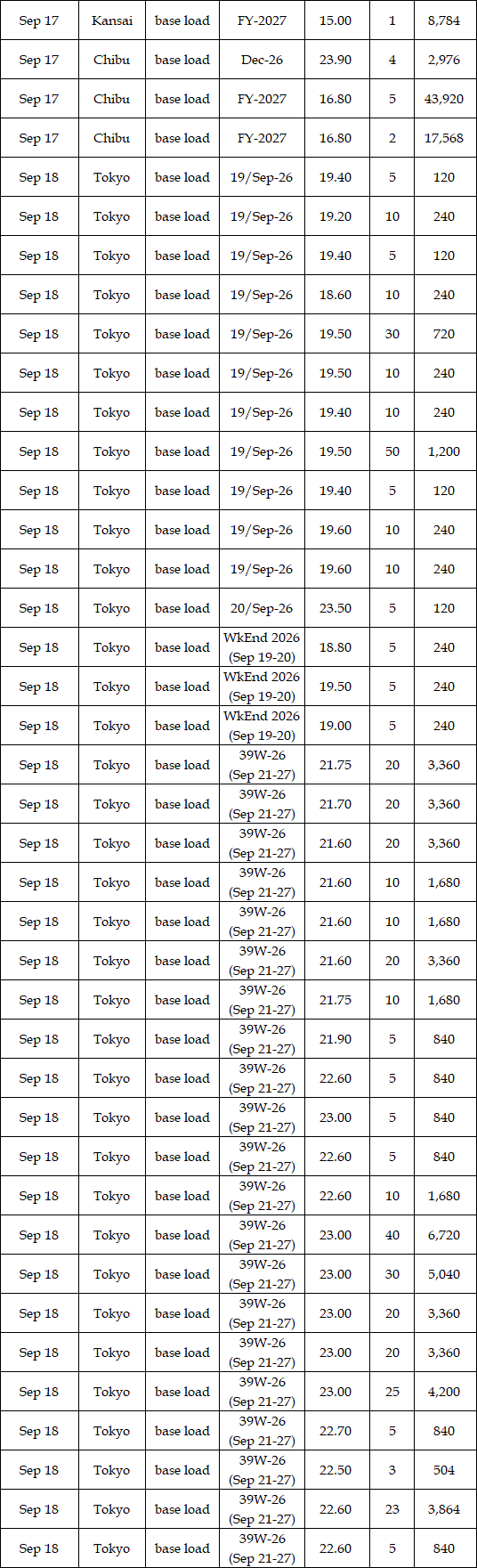
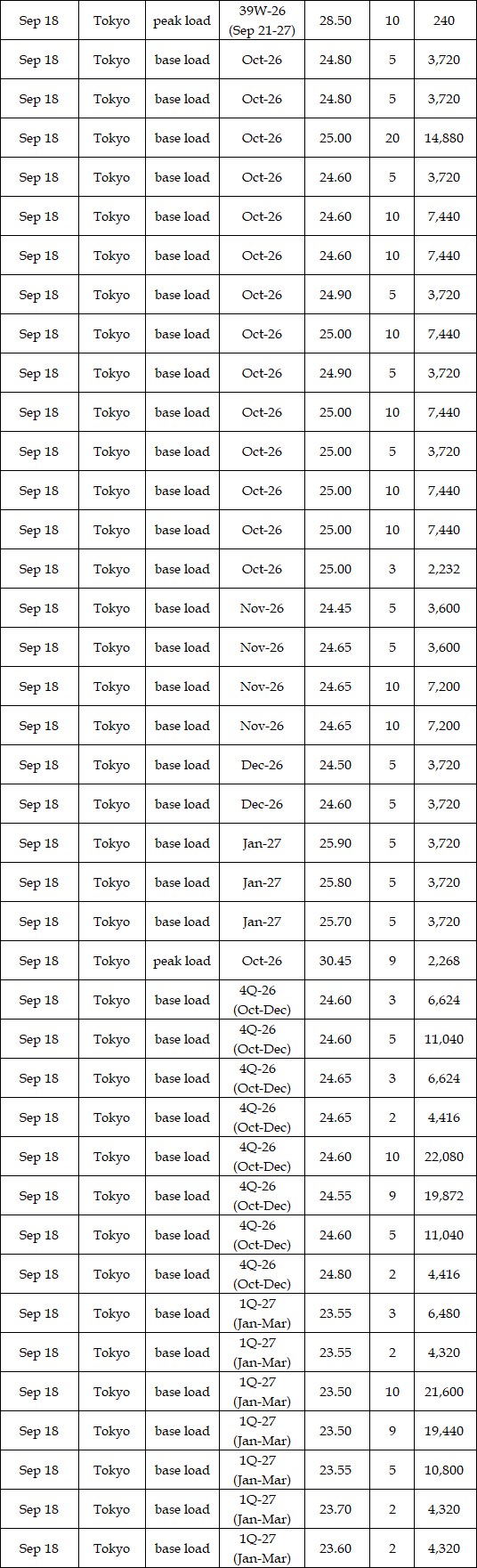
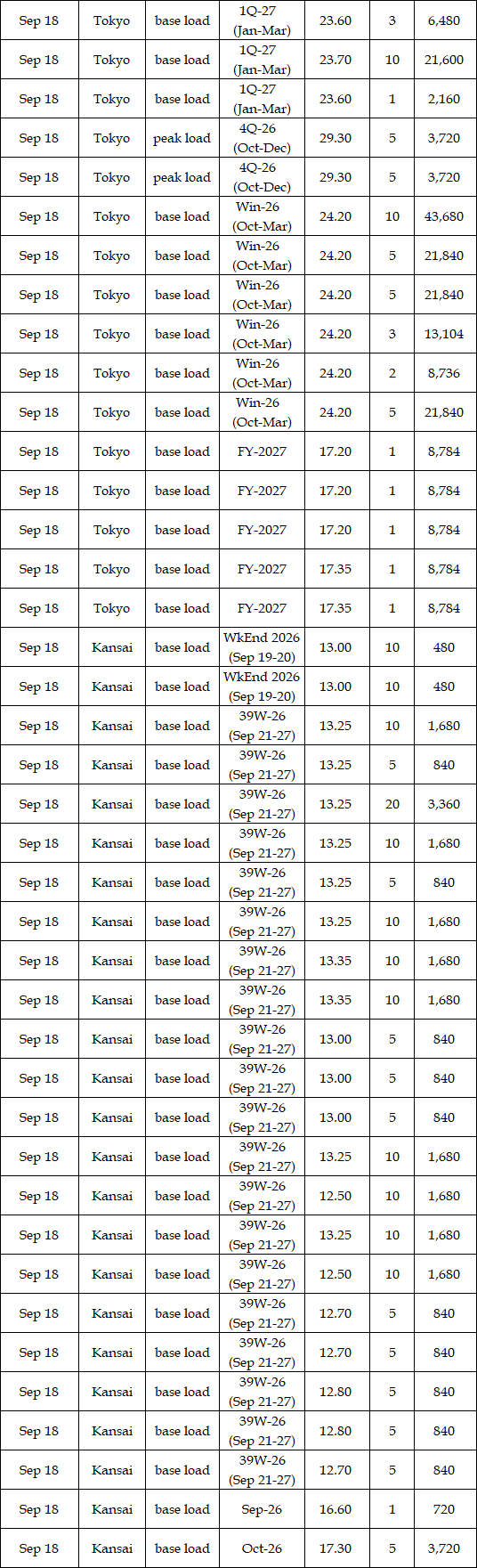
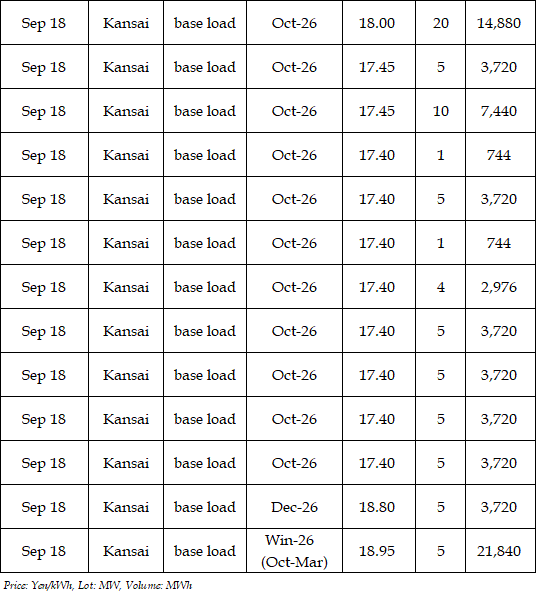
Deals reported on TOCOM (Tokyo Commodity Exchange) during Sep 14-18 were as below.
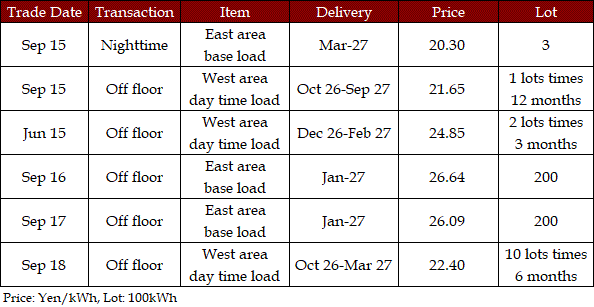
Deals reported on EEX (European Energy Exchange) during Sep 14-18 were as below.
Japan's electricity spot market is expected to remain under downward pressure in the fourth week of September compared with the third week, as commercial and industrial demand is likely to decline during the Silver Week holidays.
However, several factors are expected to limit the decline in prices. Solar power generation is likely to be significantly reduced due to Typhoon No. 25, while more thermal power plants are expected to be taken offline during the five-day holiday period. As a result, spot prices are unlikely to fall sharply despite the holiday-driven decline in demand, and there is also some upside risk to daytime prices.
Commenting on the price outlook for the fourth week of September, one market participant said, "Tokyo baseload prices are likely to remain above ¥20/kWh even during the holiday period. Demand is expected to decline, but the downside for prices should be limited due to scheduled outages at a number of thermal power plants and persistently high fuel prices. We expect Kansai prices to be around ¥15/kWh, but will closely monitor whether the shutdown of Mihama Nuclear Power Plant Unit 3 has any impact on market prices."
|
JEPX: System Price (Day Ahead 24 hours)
|
|
Weekday Price
|
7-Sep
|
8-Sep
|
9-Sep
|
10-Sep
|
11-Sep
|
|
24-Hour Ave
|
21.04
|
24.13
|
21.61
|
16.33
|
17.60
|
|
Volume (MWh)
|
1,176,575
|
1,239,968
|
1,204,772
|
1,148,128
|
1,119,263
|
|
(unit: yen per kWh) (date: delivery day)
|
|
|

|
 - Fair & Reliable -
 Post
Post Print
Print


