|
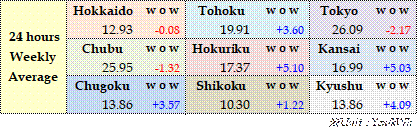
The weekly average of 24-hour spot power prices for delivery from September 28 to October 2 fell from the previous week in eastern Japan (50Hz), while rising in western Japan (60Hz). Although electricity demand increased from the previous week following the end of the Silver Week holiday period, prices in eastern Japan softened, particularly during daytime hours, amid increased solar power generation. In western Japan, meanwhile, temperatures rose above 25°C in many areas, boosting cooling demand. Combined with thermal power plant outages, the stronger demand tightened the supply-demand balance and pushed prices higher.
By area, prices in Tokyo and Chubu declined from the previous week but remained relatively high compared with other regions. In western Japan, all areas except Chubu posted week-on-week gains. However, some areas saw prices fall as low as ¥0.01/kWh during daytime hours when solar generation increased, resulting in wide price spreads between different times of the day.
The spread between the 24-hour average spot electricity prices in Tokyo and Kansai, the key markets in eastern and western Japan, respectively, stood at 5.64 yen/kWh on Sep 28, 9.11 yen/kWh on Sep 29, 13.83 yen/kWh on Sep 30, 4.76 yen/kWh on Oct 1, and 12.13 yen/kWh on Oct 2, with Tokyo consistently trading above Kansai throughout the week.
Fuel market developments in the final week of September and the first week of October were as follows.
Spot LNG prices in Northeast Asia stood in the mid-$25s/mmBtu for Nov 2026 delivery on Oct 2, up around $0.30/mmBtu from Sep 25. Buying interest among Northeast Asian end-users remained limited. However, deteriorating economics for arbitrage shipments of US LNG to Asia and European procurement for the winter season provided support to the market. Robust shipments of US LNG to Europe also raised concerns over tighter supply availability for Asia. Japan's LNG inventories for power generation stood at 2.41 million mt as of Sep 27, down 110,000 mt from the previous week. Nevertheless, inventories remained well above both the 1.65 million mt recorded at the end of September last year and the five-year average of 2.05 million mt.
Australian Newcastle thermal coal prices rose, with the Sep 2026-loading price reaching $148.95/mt on Oct 2, up $5.20/mt from $143.75/mt on Sep 25. With spot LNG prices remaining elevated, the competitiveness of coal as a power generation fuel attracted attention, while Asian demand also provided support to the market.
Crude oil prices were mixed. On Oct 2, the Nov 2026 WTI contract settled at $91.11/bbl, while the Dec 2026 Brent contract stood at $102.25/bbl. Compared with Sep 25, WTI fell by $1.30/bbl, while Brent rose by $4.81/bbl. In the first half of the week, selling pressure prevailed amid expectations of a recovery in crude oil exports from the Middle East, pushing WTI down to $89.38/bbl and Dec Brent to $97.09/bbl on Sep 29. Supply concerns subsequently resurfaced amid stalled negotiations between the US and Iran, additional US troop deployments to the Middle East and China's suspension of petroleum product exports. WTI rebounded sharply to $92.87/bbl and Brent to $102.31/bbl on Oct 1. On Oct 2, releases of crude oil and petroleum product reserves by European countries and IEA member states weighed on WTI, which moved lower. Brent, meanwhile, remained above $102/bbl amid continued concerns over developments in the Middle East.
The actual high for the week was 37.92 yen/kWh, recorded in Tokyo and Chubu on Sep 28. The actual low was 0.01 yen/kWh, recorded in Kansai through Kyushu on Sep 30, in Shikoku on Oct 1, and across all nine areas as well as for the system price on Oct 2.
The weekly average of the 24-hour spot prices by area and the weekly average volume of offers, bids, and trades are shown in the table below.

Power demand across Japan's nine areas totaled 10,826.077 GWh from Sep 28 to Oct 2, up 1.1% from 10,705.328 GWh in the previous week of Sep 21-25. On a year-on-year basis, demand was down 2.7% from 11,130.275 GWh in the comparable period of Sep 29-Oct 3 last year, adjusted to match the same days of the week.
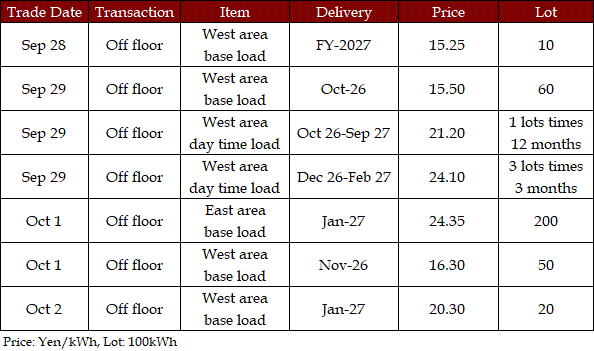
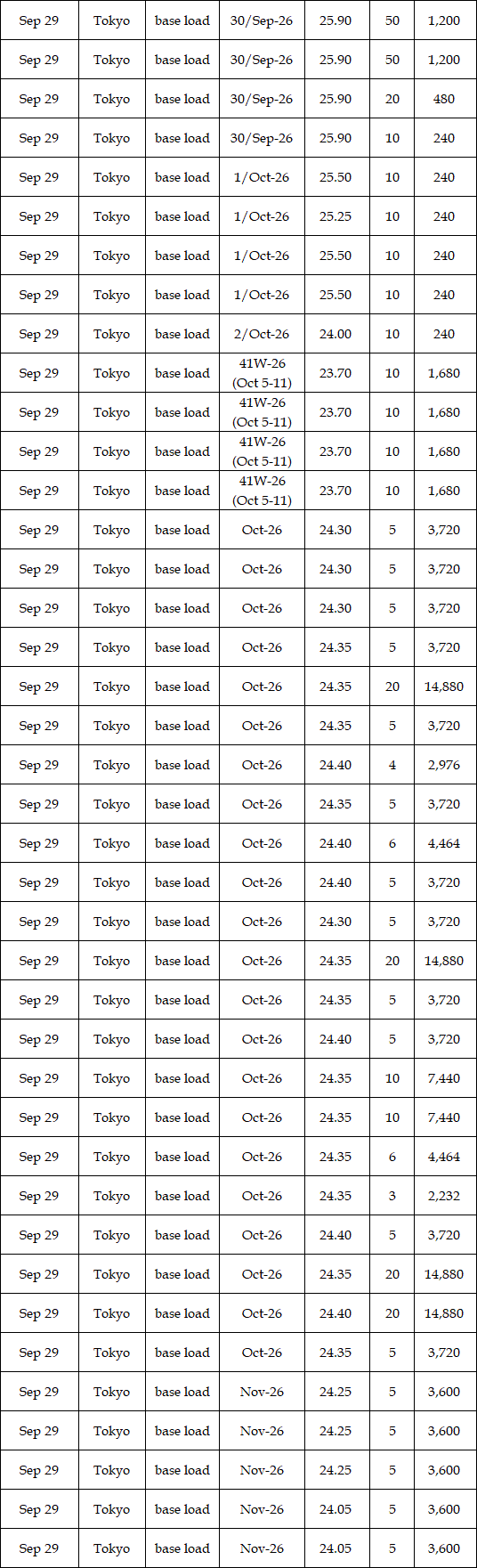
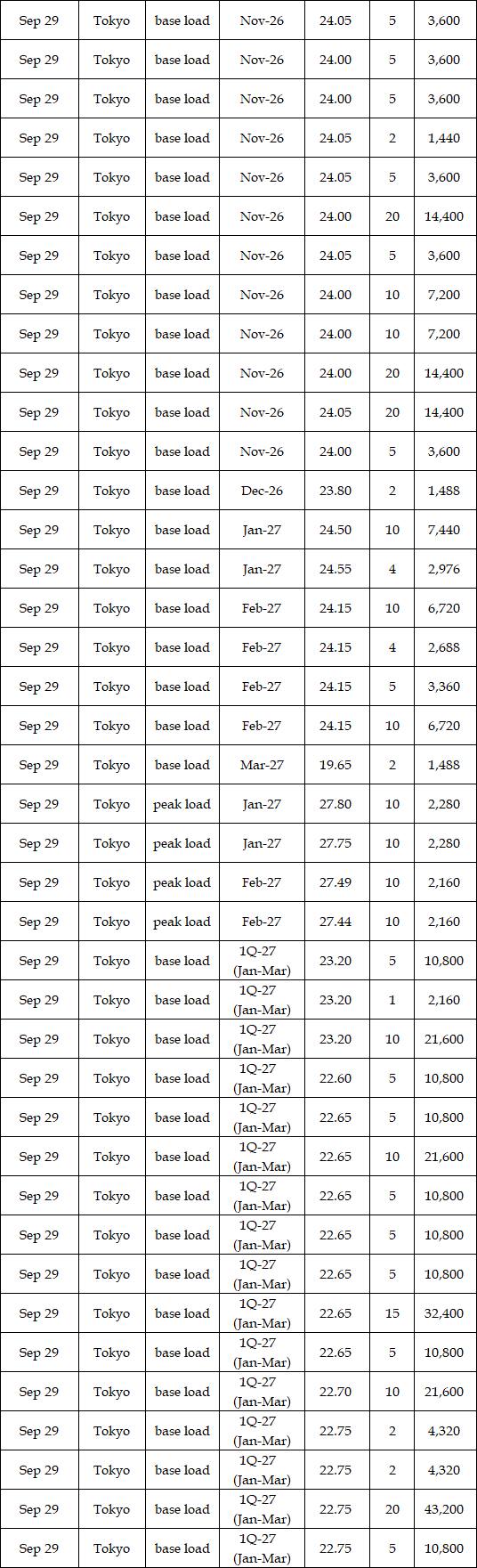
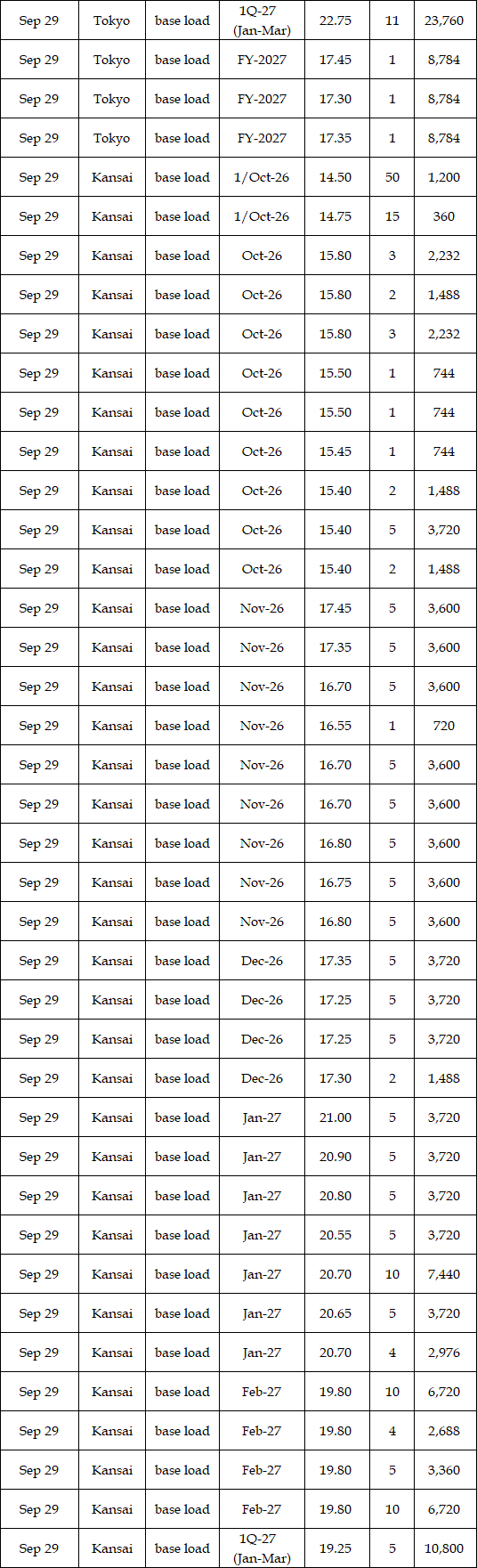
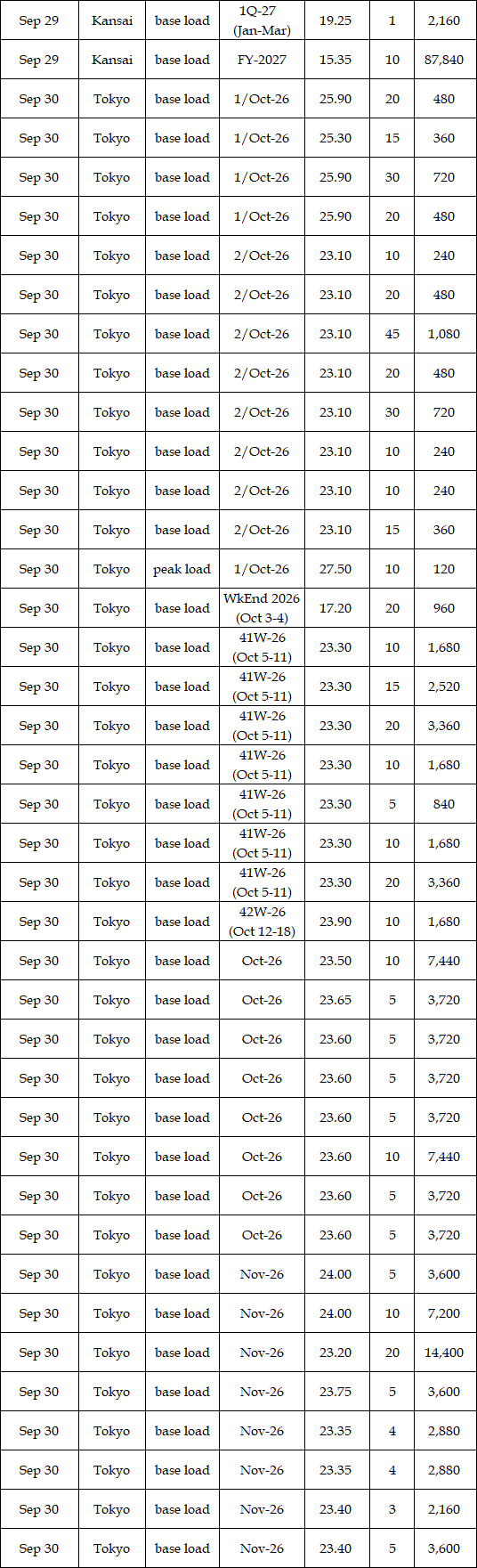
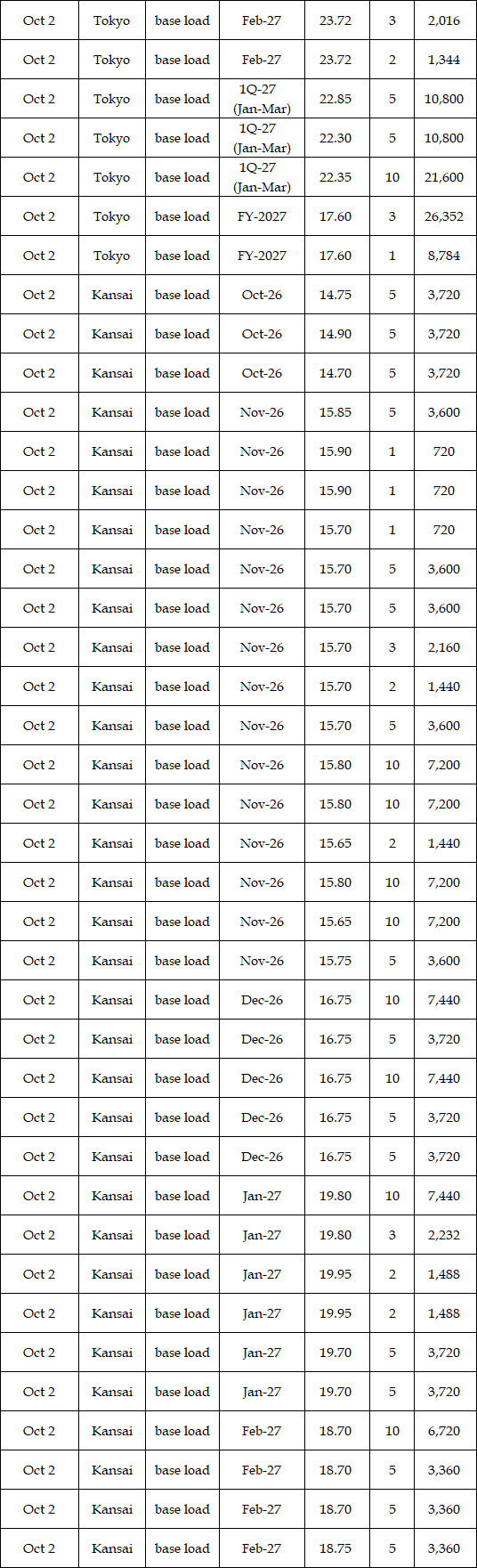
Deals reported on TOCOM (Tokyo Commodity Exchange) during Sep 28-Oct 2 were as below.
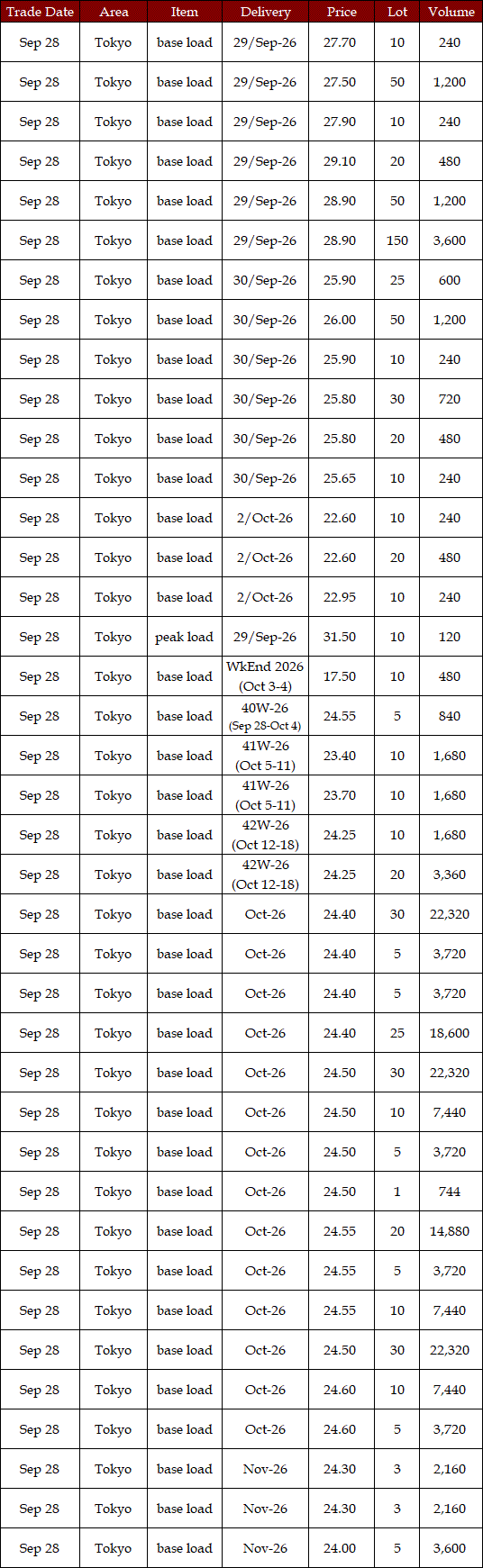
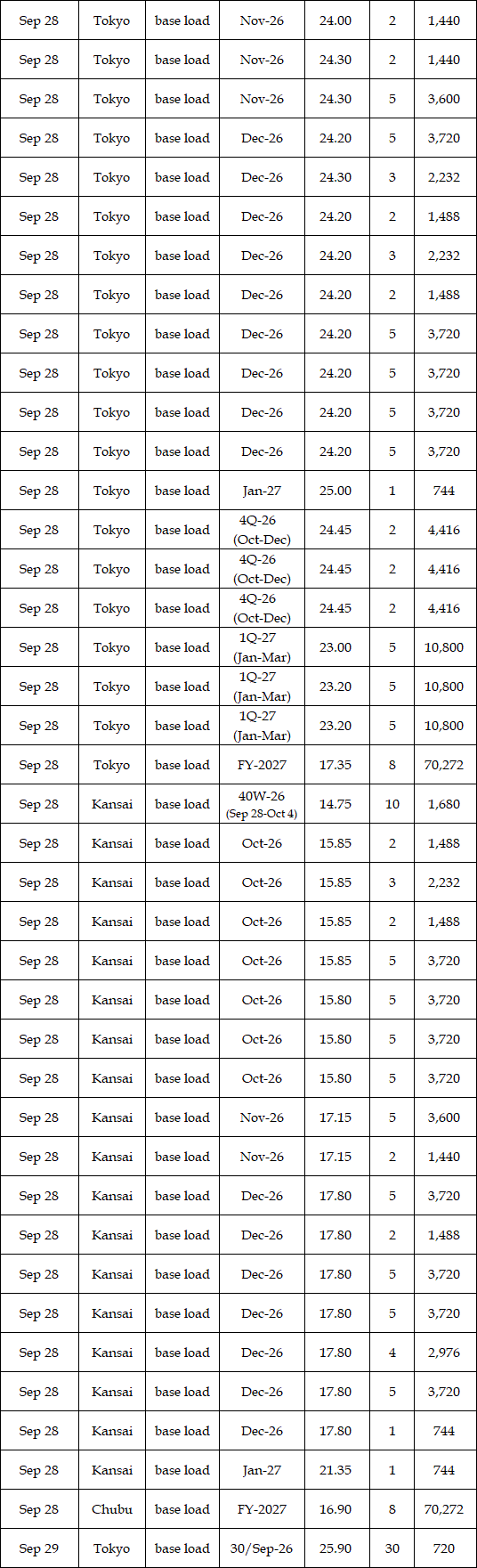
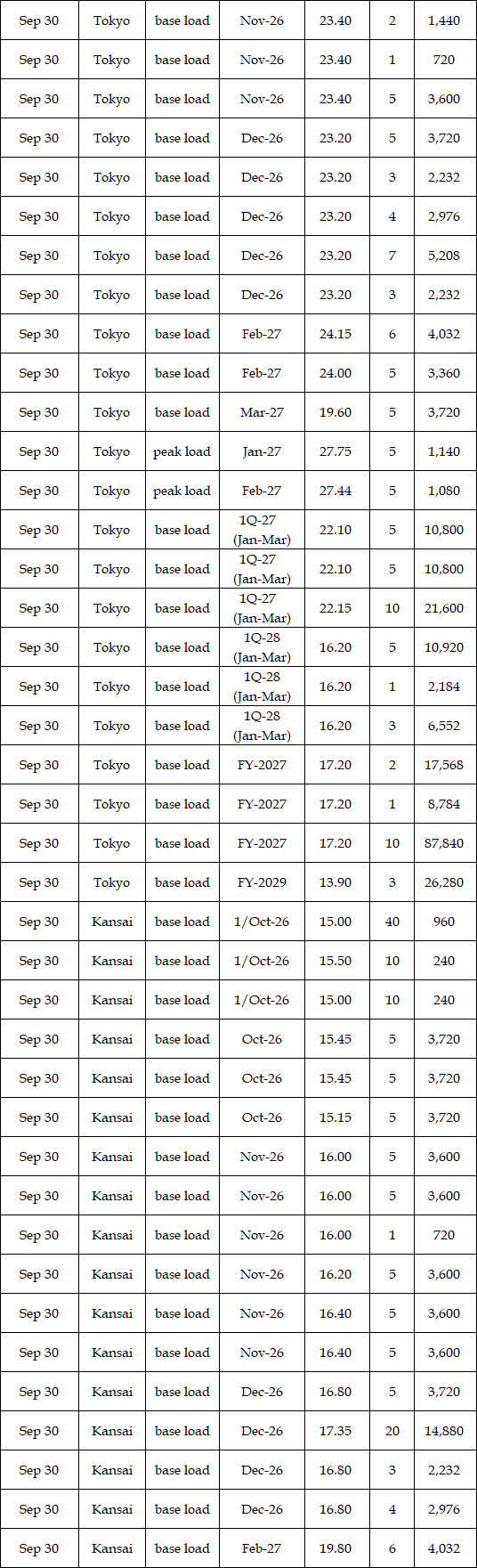
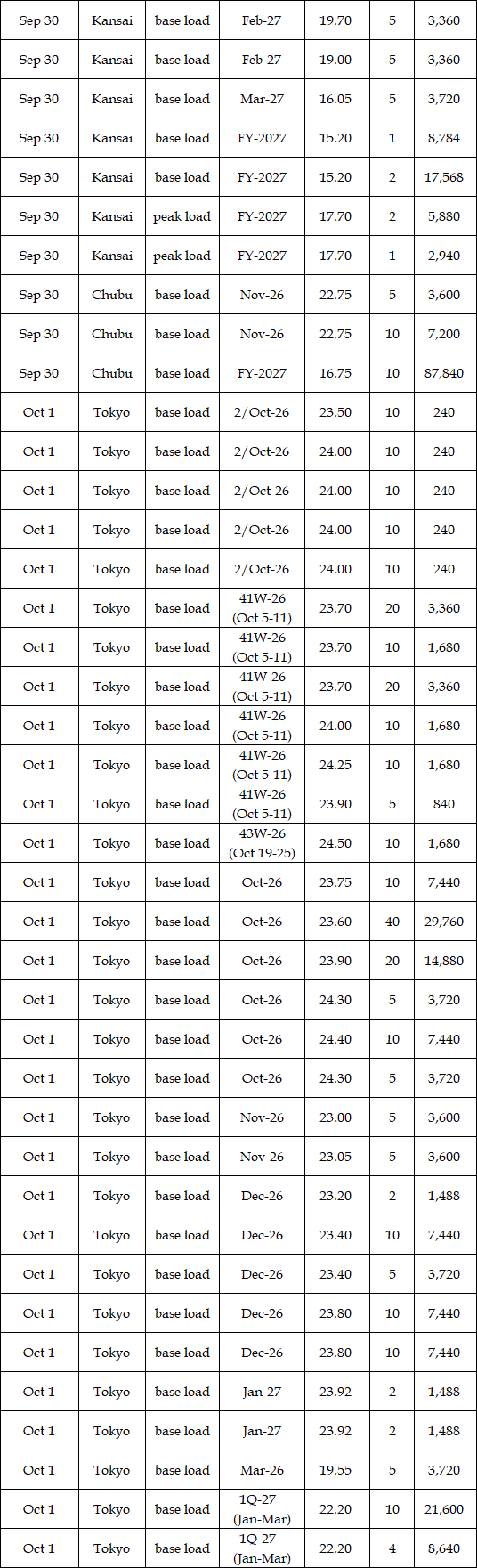
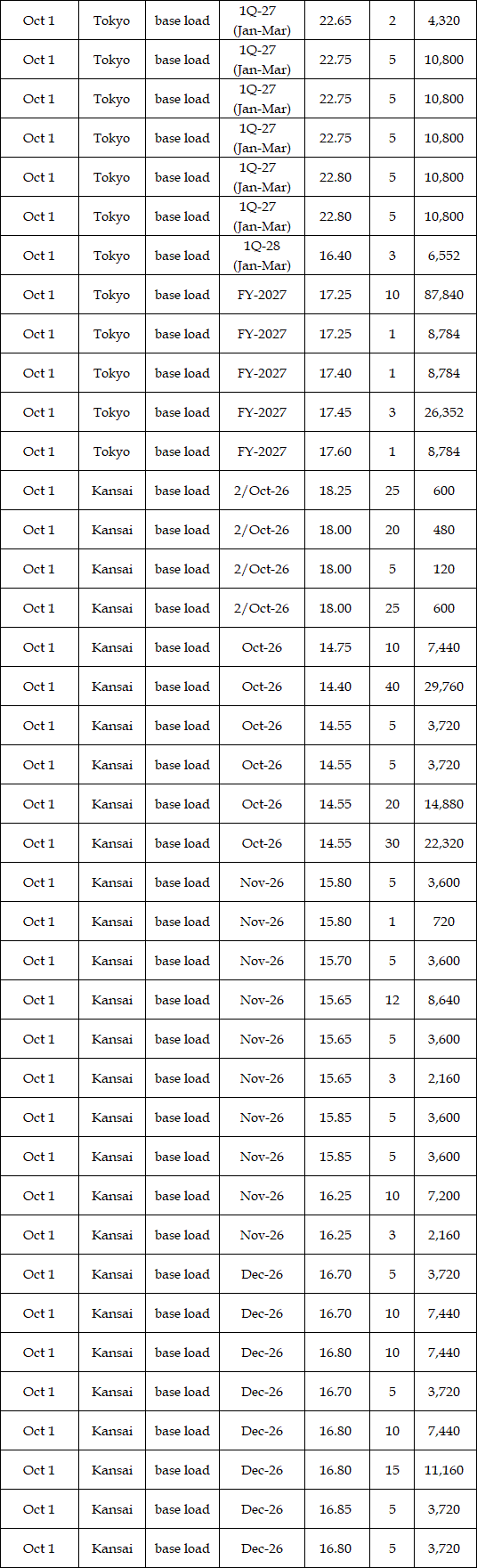
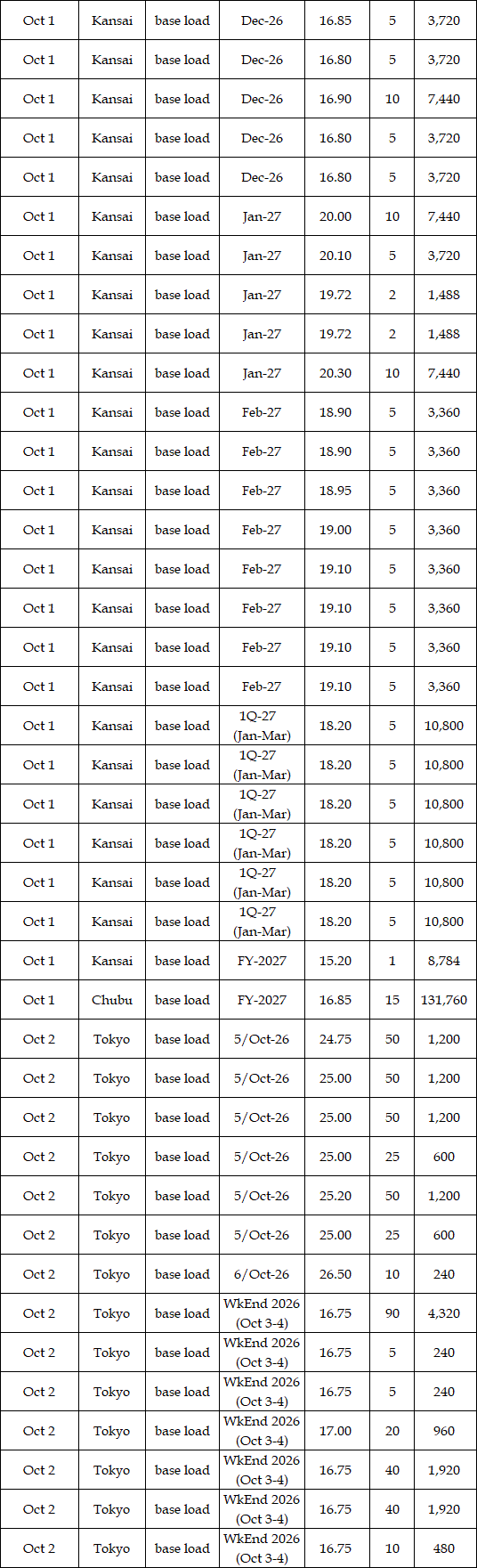
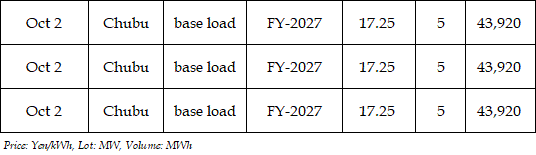
Deals reported on EEX (European Energy Exchange) during Sep 28-Oct 2 were as below.
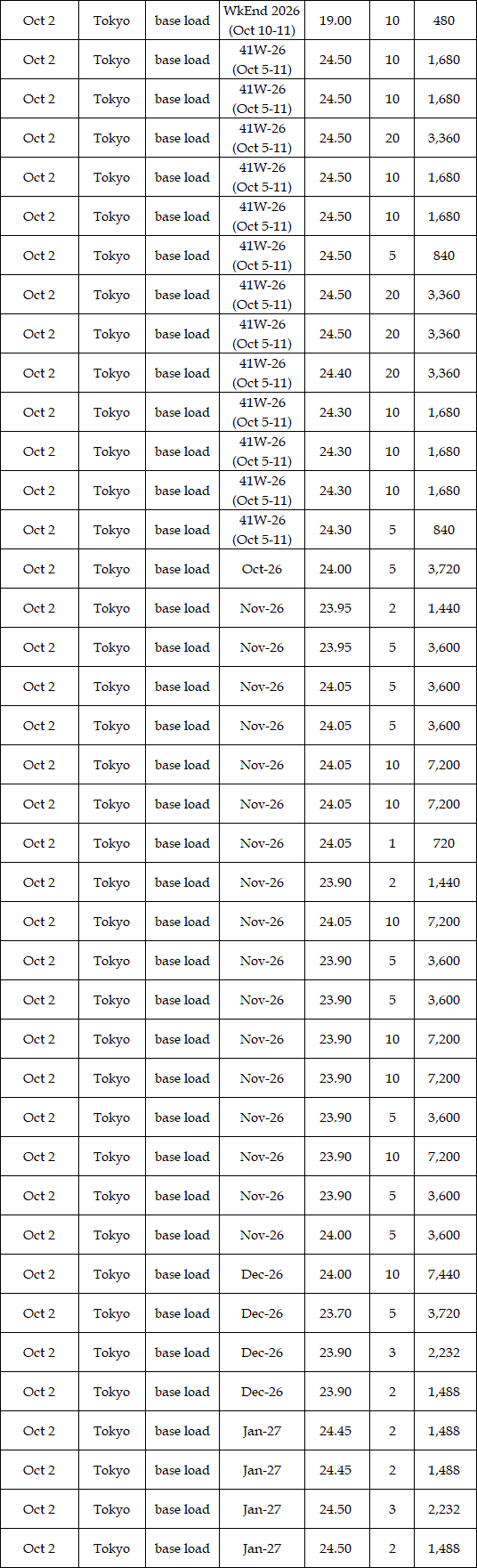
Spot power prices in the second week of October are expected to remain at relatively high levels, particularly in Tokyo and Chubu. Although electricity demand is likely to remain sluggish as temperatures decline, a series of thermal power plant outages for scheduled maintenance and other reasons is expected to reduce available supply and provide support to prices. In particular, several large-scale thermal power plants are offline in Chubu, while the number of offline units in Tokyo is scheduled to increase in the latter half of the week. During sunny daytime hours, increased solar generation could weigh on prices. However, on cloudy days and from the evening onward, when solar generation declines, residual demand is expected to increase, potentially pushing prices in both Tokyo and Chubu into the 30-yen/kWh range and, depending on supply-demand conditions, to around 40 yen/kWh.
Commenting on the price outlook for the second week of October, a market participant said, "We expect baseload prices at around 25 yen/kWh in Tokyo and Chubu and 15-16 yen/kWh in Kansai. With relatively favorable solar generation expected on many days, upside potential during daytime hours is likely to be limited. However, as an increasing number of thermal power plants go offline, available supply will decline further, and prices during evening and nighttime hours could rise above this week's levels," said a power trader at a power retailer.
|
JEPX: System Price (Day Ahead 24 hours)
|
|
Weekday Price
|
28-Sep
|
29-Sep
|
30-Sep
|
1-Oct
|
2-Oct
|
|
24-Hour Ave
|
23.62
|
22.09
|
17.87
|
18.21
|
17.02
|
|
Volume (MWh)
|
1,045,849
|
1,080,761
|
1,073,257
|
1,065,278
|
1,022,218
|
|
(unit: yen per kWh) (date: delivery day)
|
|
|

|
 - Fair & Reliable -
 Post
Post Print
Print


